
Professional Equipment Used In Safe Tree Trimming
Tree trimming keeps your trees healthy and your property safer, but it's hardly a job you want to approach without the right gear. While a tree might look manageable from the ground, things change fast once you're up on a ladder trying to deal with heavy limbs and sharp tools. Using professional equipment helps get the job done right without putting you or your property at risk.
Professional crews rely on tools built for safety and precise cutting. From harnesses that keep workers secured in high places to chainsaws designed for clean, controlled cuts, every piece of gear has a specific role. When used properly, this equipment helps prevent accidents and protects the long-term health of each tree. Knowing what goes into professional setups can help you understand how much care is involved in each trim.
Safety Gear For Tree Trimming
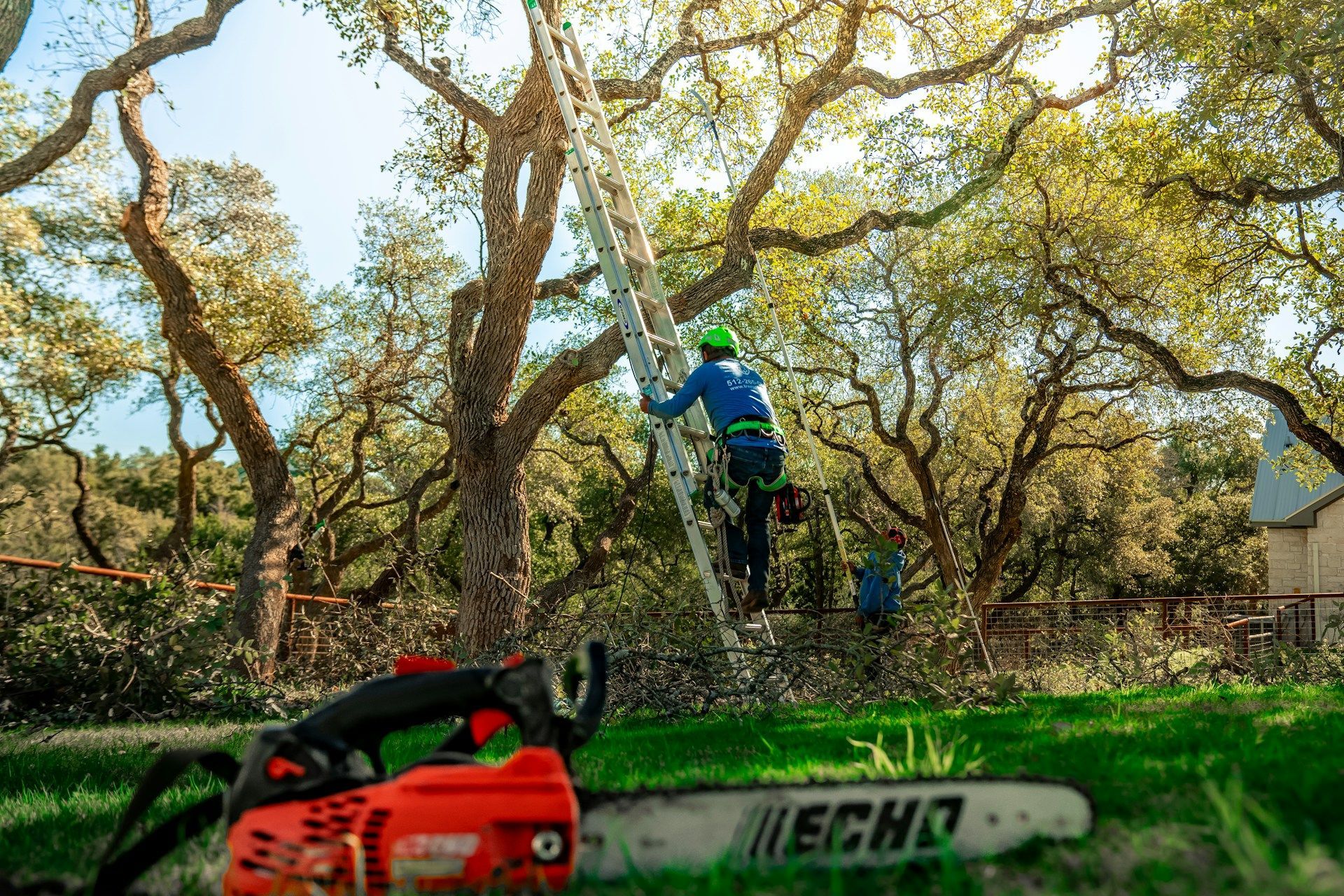
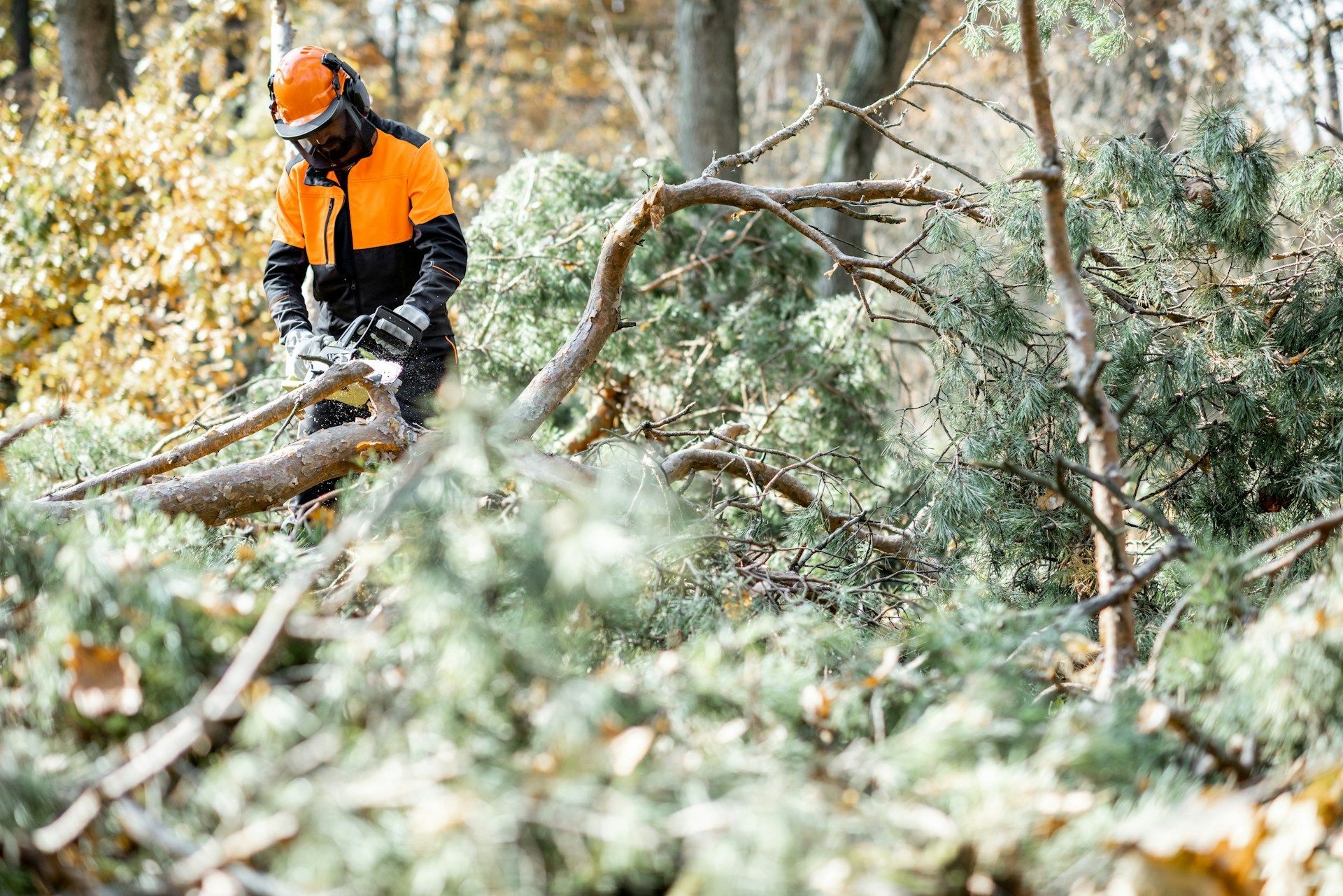
Before a single cut is made, safety starts with what the crew is wearing. Tree work involves heights, sharp blades, and unpredictable limbs, so personal protective equipment, known as PPE, is a must. Each piece is chosen to protect different parts of the body while still allowing enough freedom to move and work efficiently.
Here's some of the gear commonly worn during safe tree trimming:
- Helmet: Protects the head from falling branches or unexpected bumps against tree limbs
- Safety glasses or goggles: Keeps sawdust and debris out of the eyes for clearer vision and less risk of injury
- Heavy-duty gloves: Shields hands from cuts and splinters and makes it easier to grip tools
- Steel-toed boots: Helps prevent foot injuries if a branch or tool lands in the wrong spot
- Long-sleeved clothing and leg protection: Helps limit scratches and protects against insect bites or accidental nicks
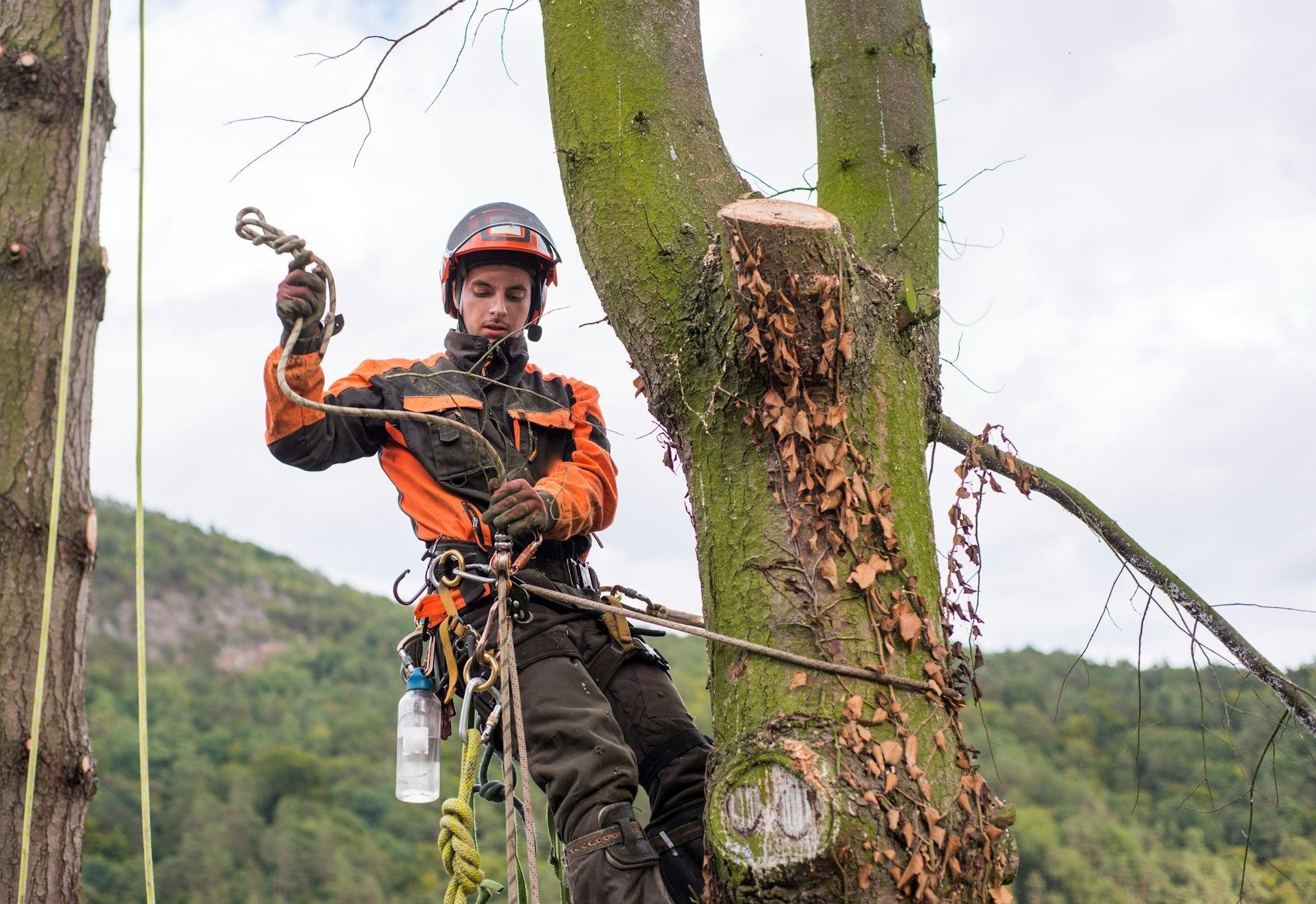
In addition to these basics, harnesses and climbing ropes play a big role in fall prevention. A tree climber's harness isn't just a belt with clips. It's a full system that spreads out weight evenly and keeps the worker attached to the tree or the lift they're in. Ropes, lanyards, carabiners, and anchors work as a team to help with balance and safe access to high or hard-to-reach limbs.
Using the proper safety equipment lowers the risk of serious injury and gives crew members the confidence to focus on the task. It also helps allow safer, more controlled movement around branches—especially when those branches hang near roofs, fencing, driveways, or other nearby structures.
Essential Tree Trimming Tools
Safety gear is one side of the job, but the tools used for trimming are just as important. The size, height, and thickness of the tree will help determine which tools are needed for the job.
The tools most commonly used by professionals include:
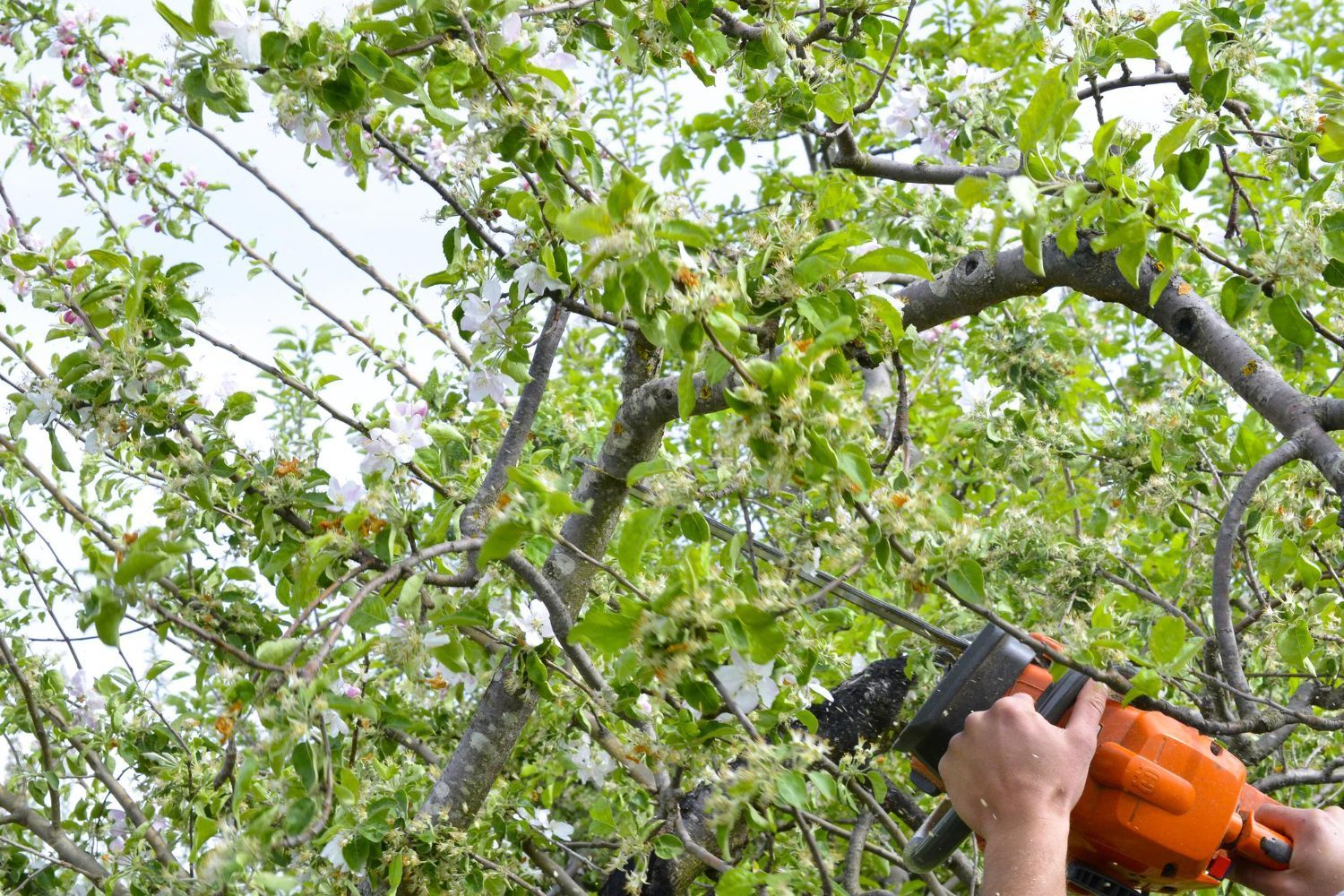
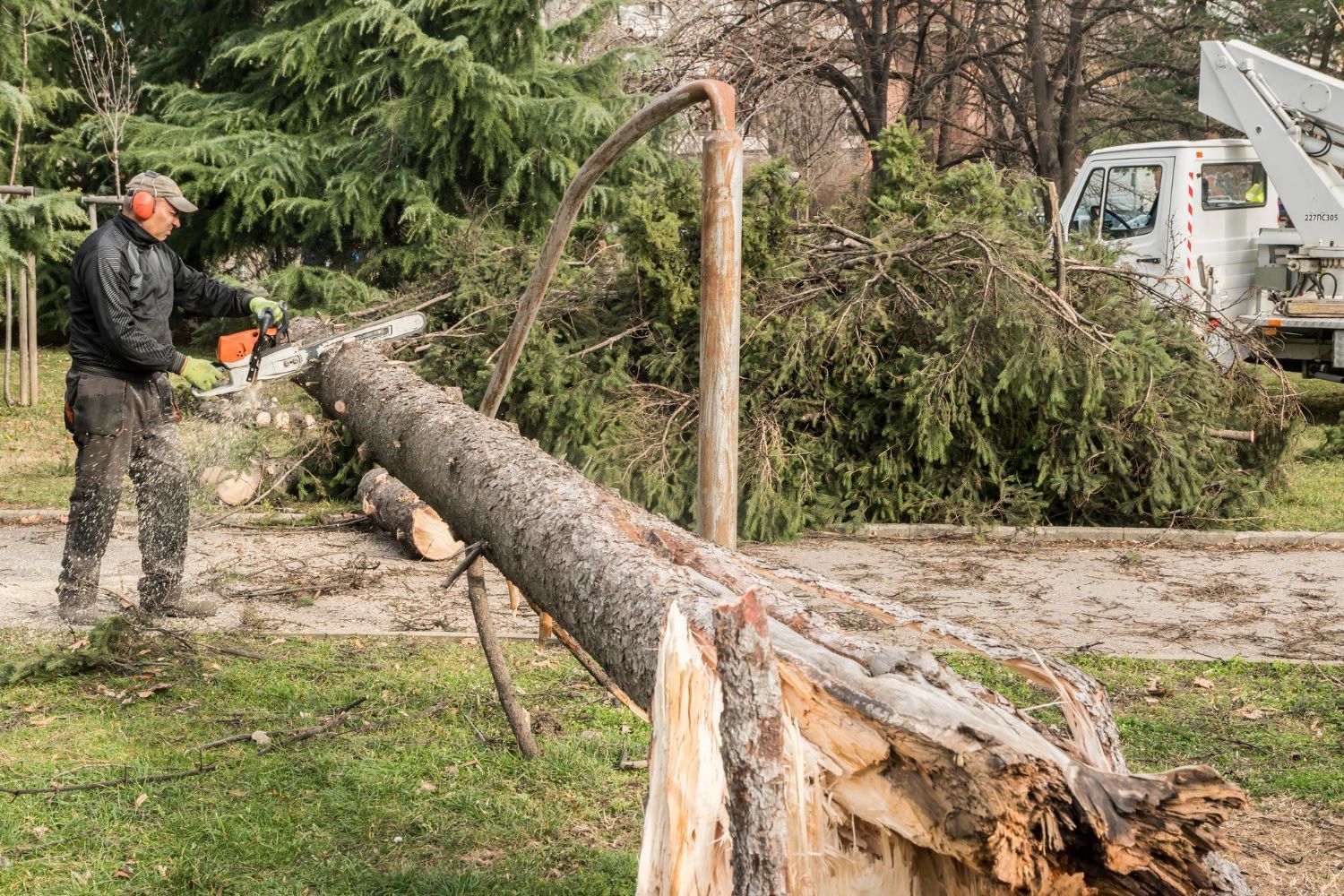
- Chainsaws: These are quick and powerful for cutting large limbs. Experienced tree workers use a variety of chainsaws suited to different needs
- Pole pruners: Handy for reaching branches without climbing. They give more control and reduce how much time is spent on ladders
- Hand saws: Good for small jobs and tight spots. They offer better control and are useful when working around power lines or hiding limbs
- Loppers and shears: Great for shaping and trimming smaller limbs or correcting issues like broken growth
Using the right tool is only part of the equation. Keeping tools sharp and clean is a big part of safety and effectiveness. Dull blades can tear into branches instead of cutting them cleanly, which stresses the tree and makes it more prone to pests or disease. Sharp tools give smoother cuts that heal faster and protect the tree's health.
Crews know every job is different. Trimming a leaning tree near power lines will need a different approach than shaping a tree shadowing your deck. What's important is assessing the tree, its growth, and the surroundings, and choosing the right gear and steps to get the work done safely and correctly.
Advanced Equipment For Larger Jobs
When tall trees or heavy limbs are involved, hand-held tools just aren't enough. That's where advanced equipment makes a big difference. These machines help teams trim high and thick branches more efficiently. They also improve safety by reducing how much climbing is needed and limiting physical strain.
Common machines used for big trimming projects include:
- Bucket trucks (or cherry pickers): These trucks lift workers up in a stable bucket to reach high branches. They're far safer than traditional ladders
- Cranes: Useful when large tree limbs need to be cut and lowered in one piece. They protect both the crew and property while handling heavy sections
- Skid steers with grapples: These machines come in handy for moving large branches and clearing up after trees have been trimmed or removed
Machines like these help make tree trimming faster without rushing or cutting corners. They reduce how much foot traffic crosses your yard, which can help protect landscaping. They're also extremely helpful after storms, when broken limbs or tilting trees create threats that need to be addressed quickly and safely.
Whether it's tight quarters near a fence or vines tangled around a power pole, the right machine helps get the job done with less risk and more control.
Proven Tree Trimming Techniques That Work
The tools and gear matter, but how the cuts are made plays a big part in both safety and the tree's health. One well-known method that trained pros use is the three-cut technique.
Here's how that works:
1. Undercut: A small cut made on the underside of the branch, a few inches out from the trunk. This helps keep the bark from tearing when the limb comes off
2. Top cut: A few inches further out from the undercut, this cut is made from the top down to remove most of the branch
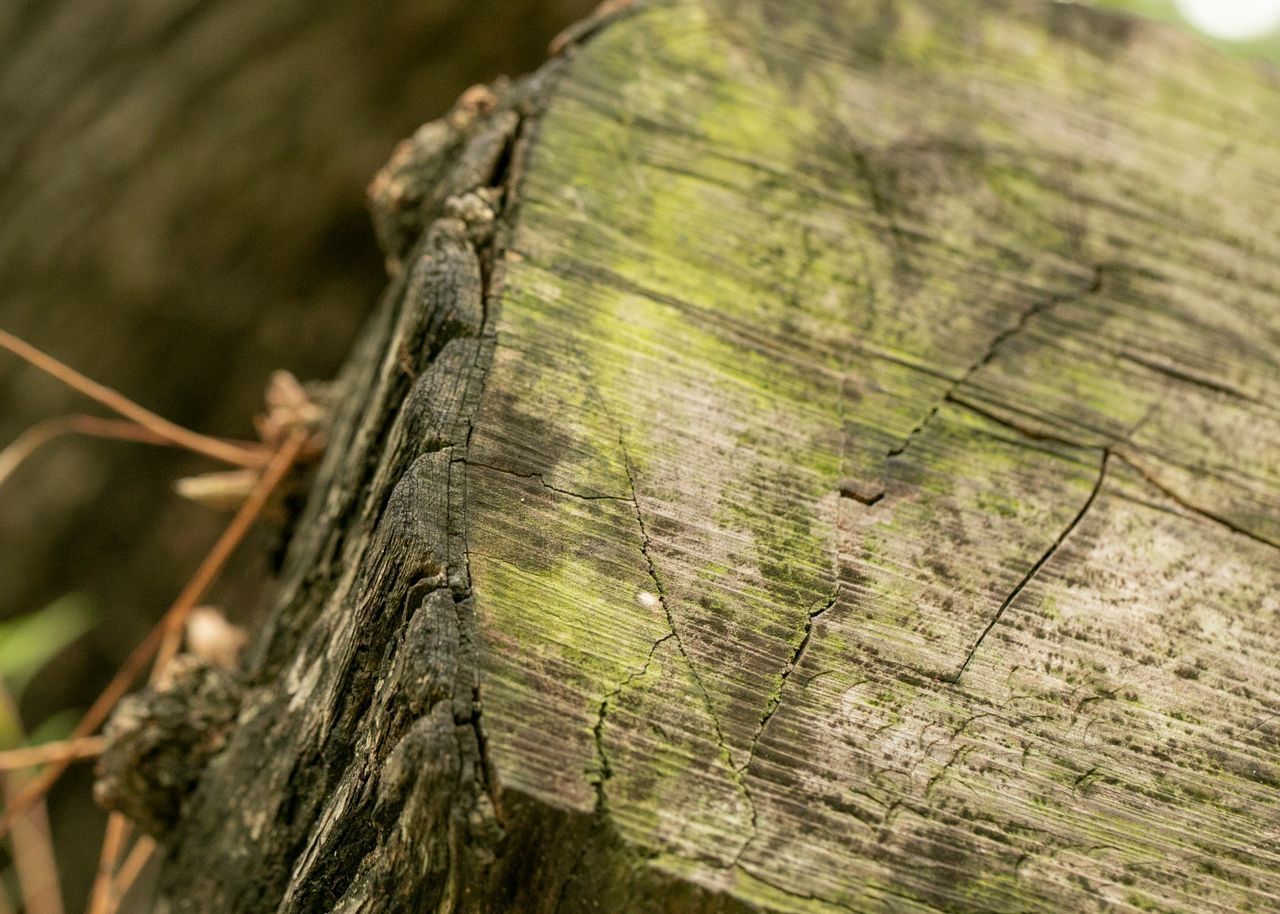
3. Final cut: The last cut is close to the branch collar, the thick spot where the branch joins the trunk. This promotes healthy healing
It's also important to avoid cutting off too much at once, making stubs, or leaving jagged cuts. Overdoing it can shock a tree, inviting pests or rot. It's all about balance. Professionals look at the type of tree, its shape, and even the time of year before making any cuts. In most cases, late fall or early spring is best in places with defined seasons, but the timing can shift depending on tree type and local weather.
Just as no two trees grow quite the same, they don't all need the same trimming. That's why trusted crews take time to understand each tree's growth pattern. Knowing what to trim and exactly where to do it helps avoid mistakes and keeps trees looking full and healthy.
Why Using Pro Equipment Makes All the Difference
Safe tree trimming isn't just about taking a saw to a branch. It's about using the right equipment, having a plan, and following smart techniques that work for both people and trees. From gloves and helmets to cranes and bucket trucks, every piece of gear has its place. When it's all used the right way by a team that knows what they're doing, your trees stay healthier, your yard stays safer, and cleanup is smoother.
The right tools help make clean cuts that heal better. They also let crews handle tougher jobs like limbs overhanging rooftops or tilt-prone trees. When equipment is paired with the know-how of experienced tree workers, you get results that last.
Good trimming prevents bigger problems down the road. Overgrown trees can block sunlight, damage roofing, or collapse in storms. Regular upkeep using professional-grade tools not only protects your property but keeps trees looking their best season after season. Whether you've got a small backyard project or need help after a storm, proper tools and smart planning go a long way toward protecting what matters most.
Ensure your trees receive the best care possible by opting for professional
tree trimming services from Tree Experts, LLC. Our experienced team is equipped with the latest gear to safely and efficiently manage your tree maintenance needs, enhancing both safety and the health of your greenery. Whether it's for routine care or post-storm recovery, we've got you covered. Let us help your landscape thrive with expert attention and top-notch equipment.

Share On: