
Everything Homeowners Should Know About Stump Grinding
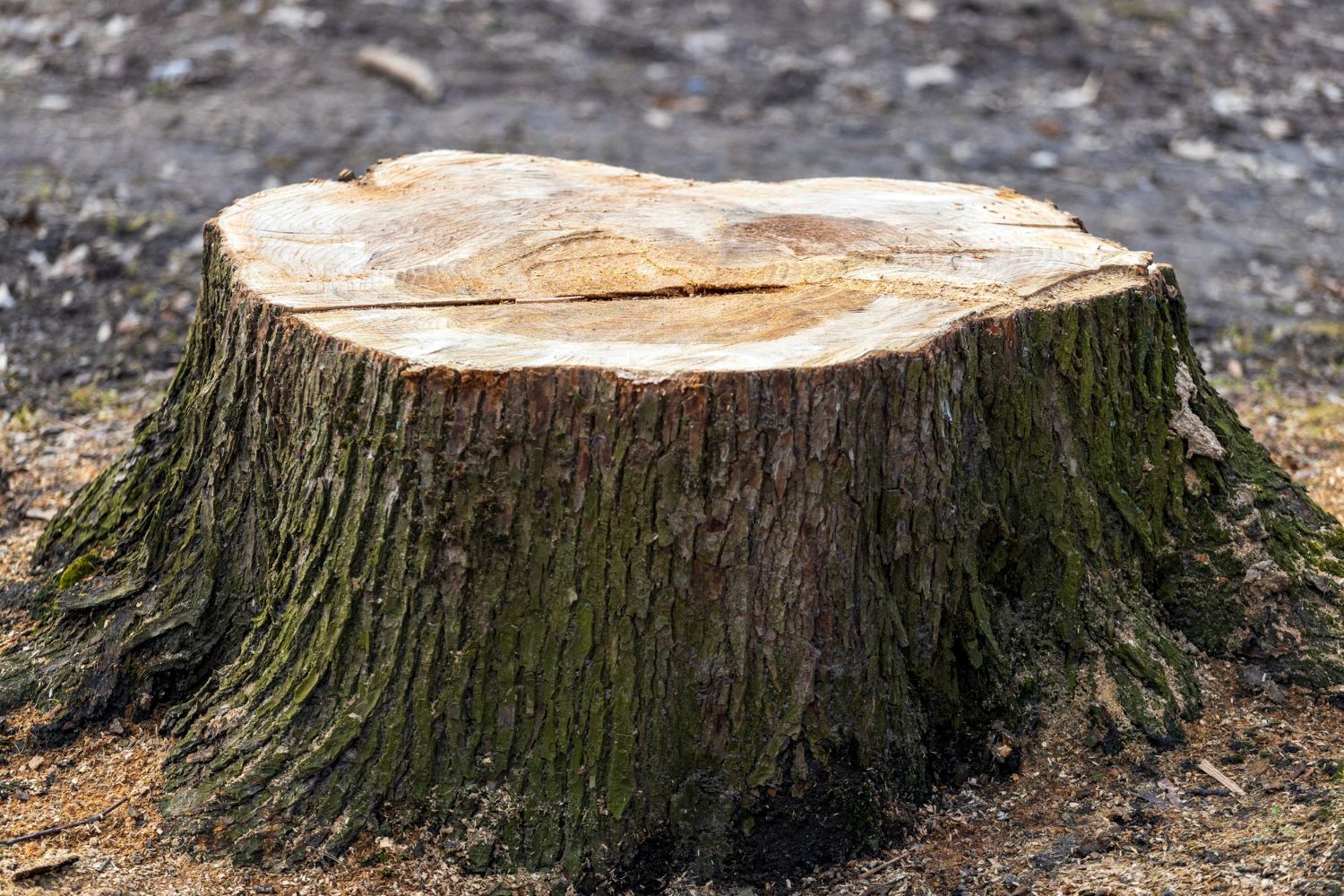
After cutting down a tree, there's often something left behind: the stump. Tree roots stay anchored in the ground, and what's above the soil can stick out for years if it isn't taken care of. That's where stump grinding comes in.
Stump grinding is the process of using a machine to grind down what's left of the tree trunk until it's below ground level. It helps clean up your yard, lowers the chances of issues spreading under the soil, and gives you a safer, smoother space to walk and work around. Before taking that step, though, it helps to understand how the process works and why it matters, especially during colder months.
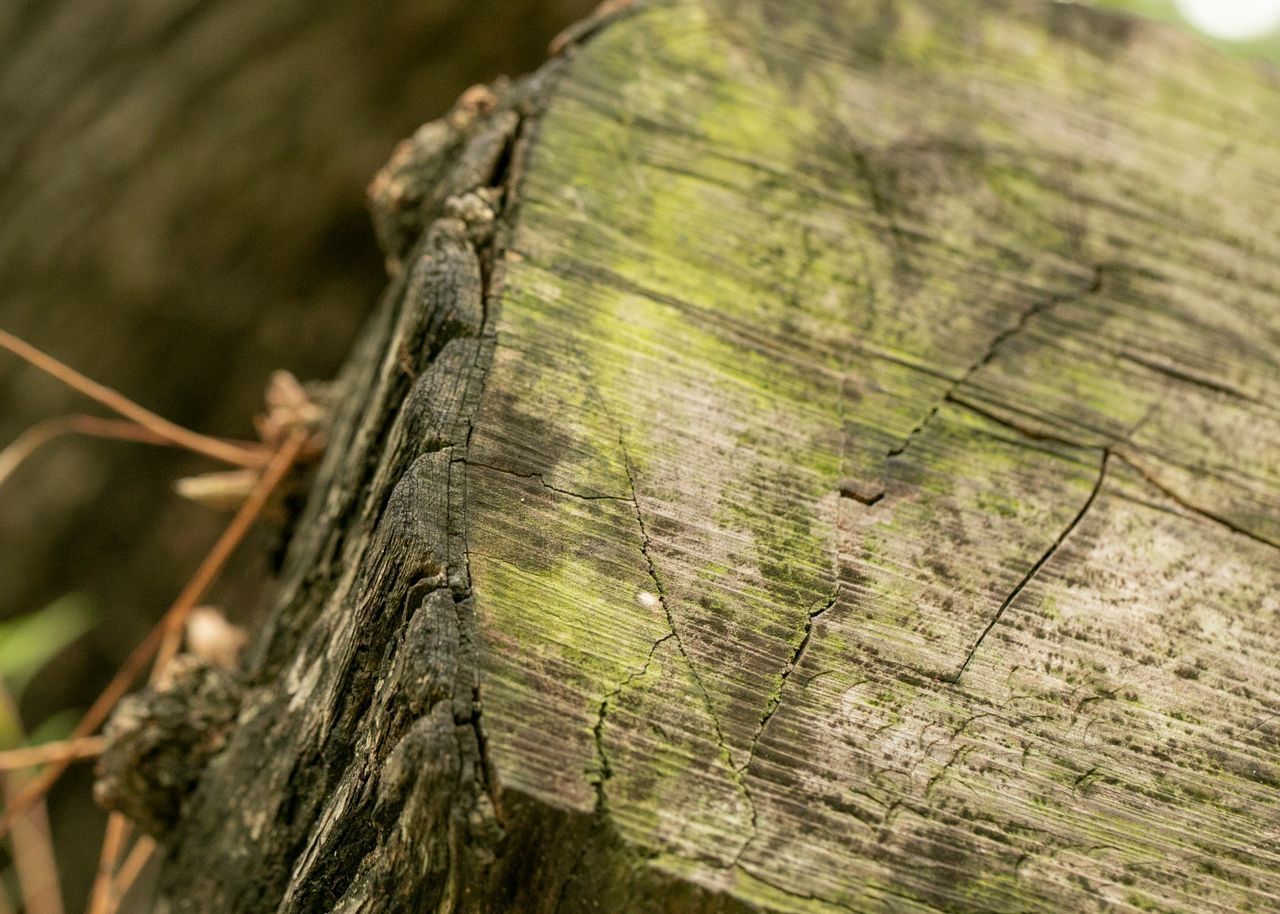
Why Tree Stumps Can Cause Problems
A tree stump might look harmless, but over time, it can turn your nice outdoor area into a headache.
• Old stumps can get in the way. They take up space, and no matter how small they seem, they're a tripping hazard that's easy to forget about until someone stubs a toe.
• They can start to decay. As the leftovers from the tree break down, it can invite bugs like ants or beetles. Some pests may even move into nearby trees or plants.
• Some stumps try to grow again. Sprouts coming off an old stump may look harmless at first, but they pull water and nutrients from other spots in the yard. A spread of baby shoots can make mowing harder and lead to unwanted growth near flower beds or sidewalks.
Leaving a stump in place might seem like no big deal now, but over time, it can create more work down the road.
How Stump Grinding Works
Removing a stump isn't about yanking it out of the ground. That could damage pipes or tear up the yard. Instead, stump grinding uses a machine with a fast-spinning blade that chips away at the stump in small pieces.
• The blade moves back and forth, slowly lowering into the wood until the stump is ground well below the surface. How deep it depends on the tree and the area, but usually it's at least a few inches down.
• Once the grinding is finished, what's left is a mix of soil and fine wood shavings. This can be raked up, reused, or removed depending on what's planned for the space afterwards.
• The process doesn't remove roots far from the stump, but over time, those will break down naturally underground.
This way of removing stumps is cleaner, safer, and doesn't leave a big hole behind like digging one out might.
When Is the Best Time to Grind a Stump?
Winter might not seem like a busy time for yard work, but in New Mexico, it can be a smart season to get stumps taken care of. Cold-weather months like January often bring clearer views of the ground since plants and grass aren't in full bloom. That helps us reach stumps more easily without damaging bushes or flower beds.
• In drier winters, soil stays firm, which makes it easier to get equipment into the right spot without sinking or slipping. But if the ground is frozen hard, it may take more time or care to complete the job.
• Without leaves around, it's easier to see nearby roots or obstacles in the yard. That helps us make better decisions before turning on any machines.
• Since the stump isn't actively trying to grow again during winter, it's a good time to stop any future sprouting before spring kicks in.
Getting this job done now means you're one step ahead when the weather warms up.
What Happens After the Stump Is Gone?
Once the stump is ground down, the area will look and feel different. The middle, where the tree once stood, may dip or appear soft right after grinding. That's normal. Underneath, the ground is adjusting now that the stump is no longer filling the space.
• There is often a pile of wood chips or sawdust where the stump used to be. Some people choose to leave it there and let it settle, especially if it is going to be covered later with soil or plants. Others remove it to level out the spot faster.
• Settling can happen over a few weeks or months, depending on the rain and how much grinding was done. It helps to watch the area and add more soil if it dips lower than the lawn around it.
• If you want grass to grow there later, it's smart to wait until the ground feels firm again. Then, the spot can be leveled and seeded so it blends in with the rest of the yard.
Knowing what to expect afterwards helps avoid surprises and keeps your outdoor spaces looking tidy.
How Planning Ahead Makes a Difference
Timing matters when it comes to stump grinding. If a tree's just been removed, it often makes the most sense to grind the stump around the same time rather than waiting for later.
• Before getting started, it helps to mark out where underground lines might be. That way, no pipes, wires, or sprinkler lines get damaged by accident.
• We also keep an eye out for nearby landscaping. If there are rocks, edging, or flower beds nearby, those spots may need a little extra attention during grinding.
• In places like Los Lunas, winter weather doesn't always bring ice or snow. Still, we plan for cold winds or hard soil that might change how we set up our equipment for a safe and steady job.
Taking time to think ahead makes things smoother, faster, and safer for everyone involved.
Your Local Stump Grinding Specialists
Tree Experts, LLC has been providing stump grinding and complete tree removal services for homeowners in Los Lunas, New Mexico, and throughout Valencia County since 1998. Every job starts with a free estimate, so you always know what to expect before work begins. With skilled professionals and a reputation for reliable results, we are committed to keeping your property clear, safe, and looking its best, no matter the season.
Ready to transform your winter landscape? Tackling
stump grinding now simplifies future yard maintenance and space safety. At Tree Experts, LLC, we ensure your outdoor environment remains pristine and safe, especially during colder months. To see how our stump grinding can benefit your yard, contact us today and prepare for a cleaner, smoother space when spring arrives.

Share On: