
Tree Services That Help Prevent Roof Damage During Storms
Storm season brings more than just heavy winds and rain. For many homeowners, it is also a time when roof problems show up, especially when large trees are involved. Limbs dragging across shingles, branches snapping onto rooftops, and fallen trees can all cause major headaches after a storm passes through.
That is where the right tree services make a real difference. Before storm season hits full force, there is a lot we can do to keep trees strong, balanced, and out of harm's way. Overgrown limbs, old branches, or damaged trunks often pose the biggest threats when the weather turns rough. Taking care of those problems early can help protect your home from roof damage when storms arrive later in the season.
Let's take a closer look at how a little tree care now can save a lot of trouble later, especially as late winter storms roll through and the spring winds start picking up.
Pruning Away Trouble Before It Starts
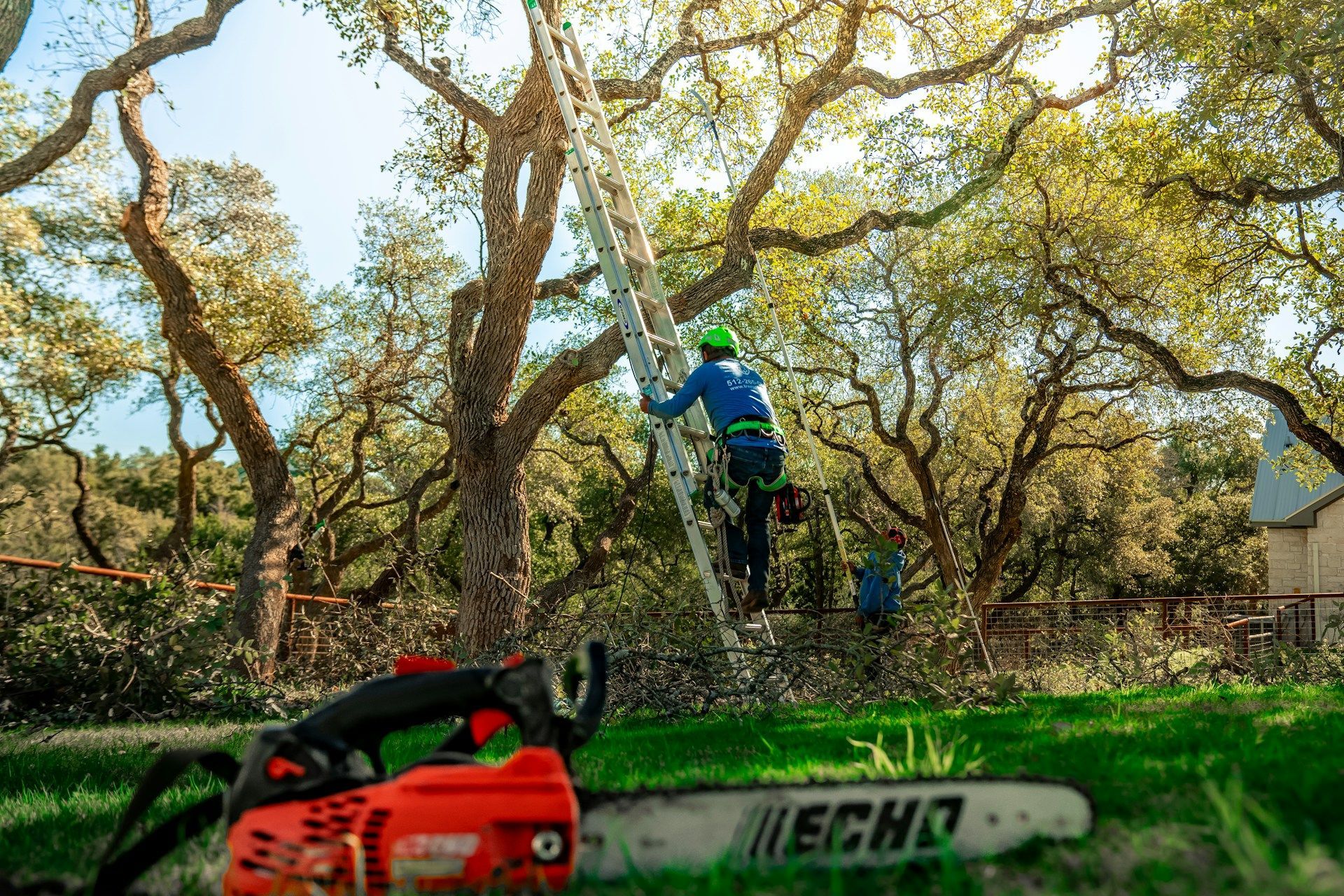
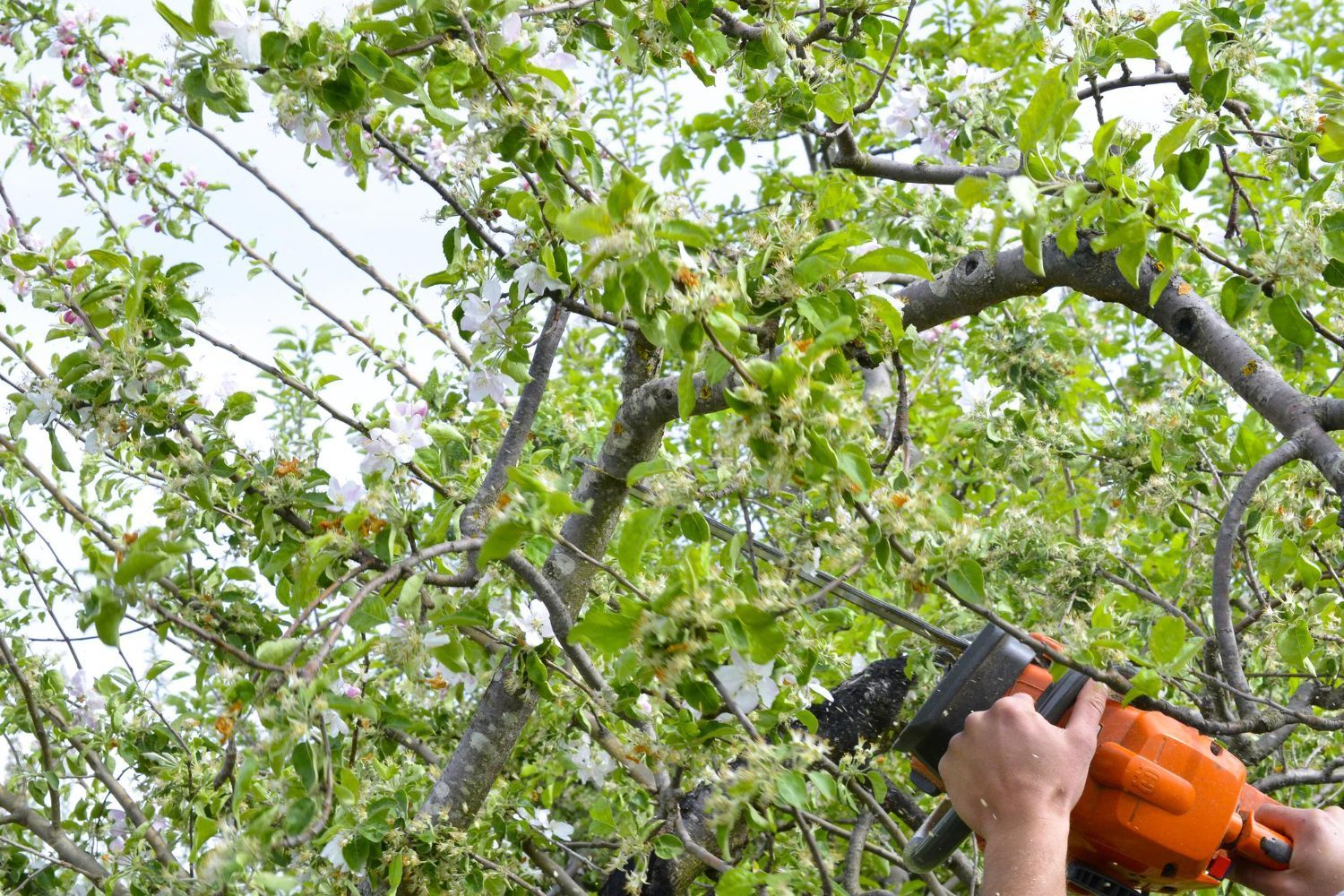
When tree limbs grow too close to a house, they become more than just an eyesore. Those branches can wear down shingles, knock against siding, or even crash onto the roof during a storm. Regular pruning takes care of those issues before they have a chance to get worse.
- Cutting back long or overhanging branches keeps them from scraping rooftops or windows
- Removing deadwood helps stop weak limbs from breaking off and falling during strong winds
- Light trimming can also help the tree stay more balanced, lowering the chance of it leaning or toppling over
We look at each tree's shape, size, and location to figure out where pruning can do the most good. In the weeks before storm activity ramps up, this kind of work is one of the smartest steps we can take. Winter storms in February and March can bring quick shifts in wind and temperature, and we want to get ahead of that while we can.
Regular pruning is not just about aesthetics. Every cut is chosen with a reason, factoring in the health and age of the tree, as well as proximity to homes, cars, and power lines. By shaping the canopy and removing overgrown or problematic limbs, we help prevent future trouble and maintain the health of the tree. This attention pays off when storms hit, since the wind has less to grab and branches are less likely to tangle or snap.
Spotting the Hidden Risks
Sometimes the biggest risk isn't what you can see from the ground, but what is hiding inside the tree. Trunks with deep cracks or signs of decay can give way with little warning. And when those trees are sitting close to a home, the results can be serious.
- Trees that lean toward a roof, especially older ones, are more likely to fall when the ground gets soaked or frozen
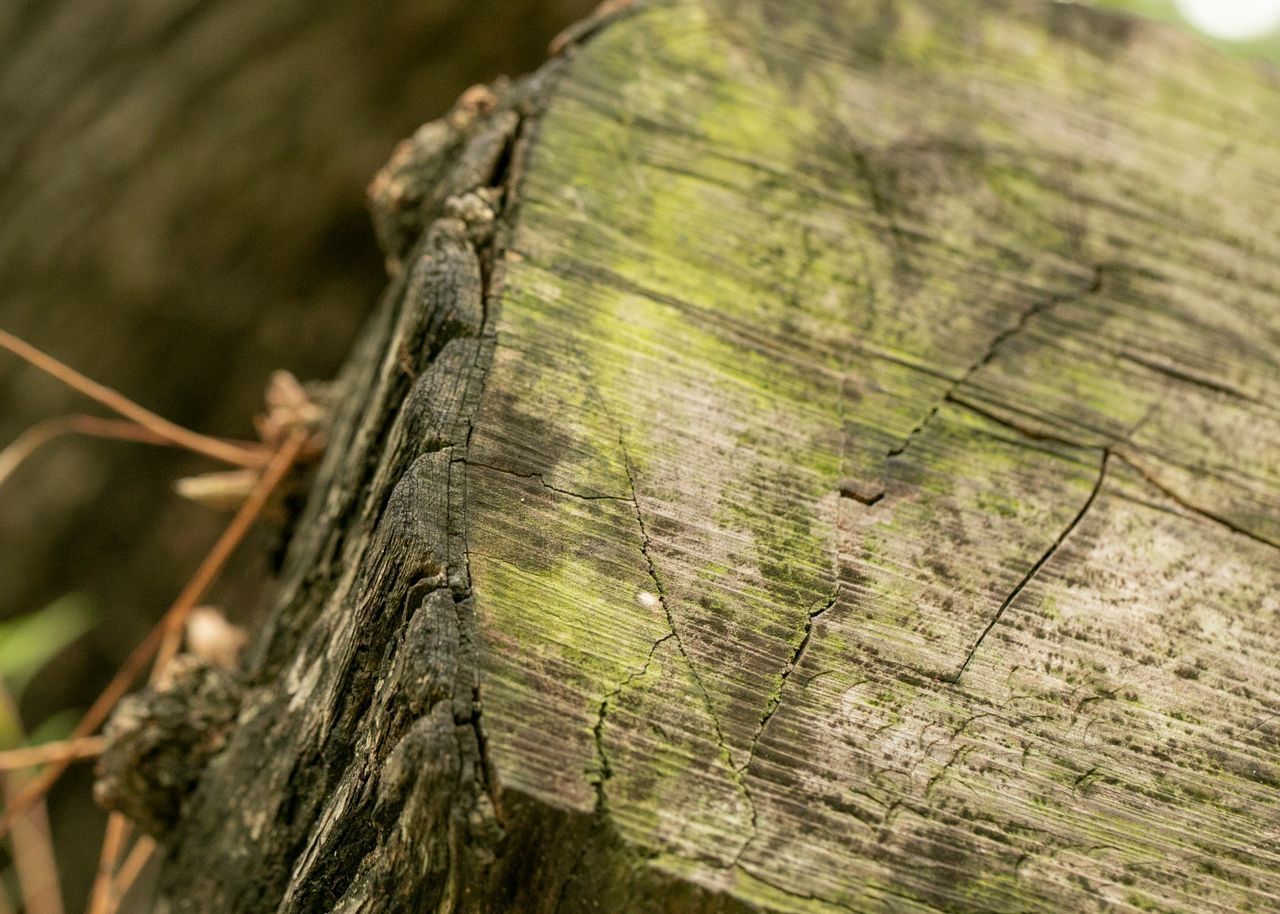
- Cracks, visible rot, or hollow sounds inside the trunk often mean the structure has been weakened
- Trees may look fine on the outside but still show signs of stress after storms or years of poor growth patterns
Professional tree services help spot these issues before they turn into real problems for your roof. We pay close attention to those risky spots and know when a tree needs extra attention, even if it is still standing tall. Catching trouble early gives us a better chance to fix it before storm season gives it the final push.
It is important to understand that not all tree damage is obvious. A trunk might appear sturdy, yet the inside could be hollow or compromised by fungus and insects. Sometimes the first clue we get is a slight lean, sawdust near the base, or an odd bulge in the bark. Identifying these early warnings gives us time to act before the weather makes things worse, reducing worry and helping keep families safe.
Cleaning Up Crowded Canopies
A tree's branches play a big role in how it handles high winds. Thick, tangled canopies hold too much resistance when the wind picks up, tugging at limbs and trunks and increasing the chances of damage. A little thinning can go a long way in keeping trees healthy and more stable.
- Trimming back crowded sections helps the wind move through the tree instead of pushing against it
- Lighter canopies reduce strain on larger branches, lowering the chance of major breakage
- Fewer leaves make it easier for gutters and drainpipes to stay clear during storms
When leaves start to pile up in roof corners or drainage areas, that overflow often finds its way inside. Water backing up under shingles can lead to slow leaks that do not show up right away. That is why cleaning up those heavy branch sections matters just as much as trimming the ones hanging near the house.
Thinning the canopy has the added benefit of providing more sunlight and airflow to the interior branches, which promotes overall tree health. Proper spacing between branches helps prevent fungal growth and allows the tree to sway comfortably during gusty weather, reducing the chance of snapping. Every branch that's trimmed with intention is less debris to clean up and less weight pressing down during a big storm.
Removing Trees That Are Too Close or Too Damaged
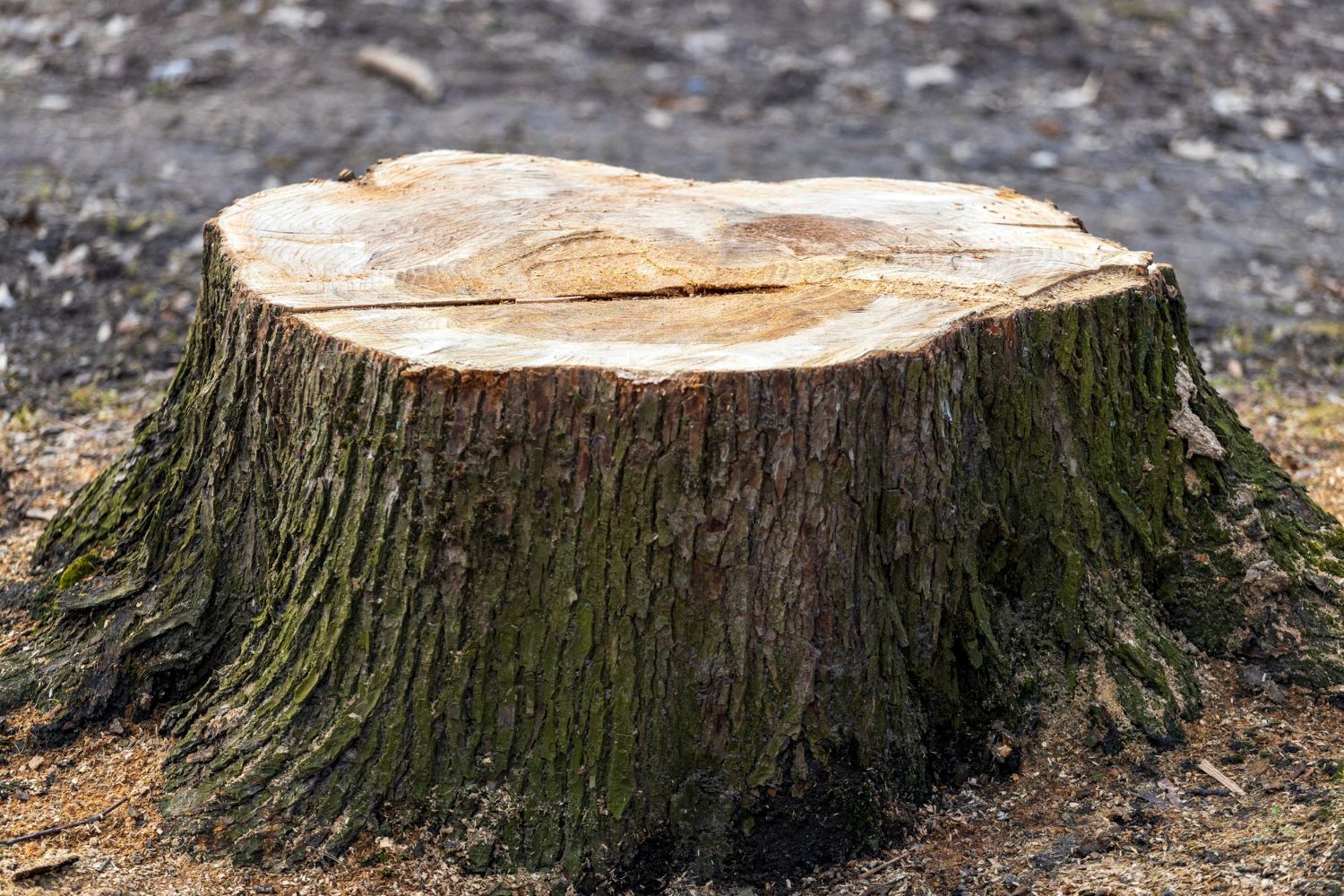
Some trees just do not belong next to a home. They may have started small, but over time, their roots and branches outgrow the space. Other trees may be too diseased or damaged to be safe, especially when storms roll through.
- Trees that push into rooflines or grow too close to windows create an obvious danger during high winds
- Roots can shift soil and weaken foundations or sidewalks, especially after heavy rain
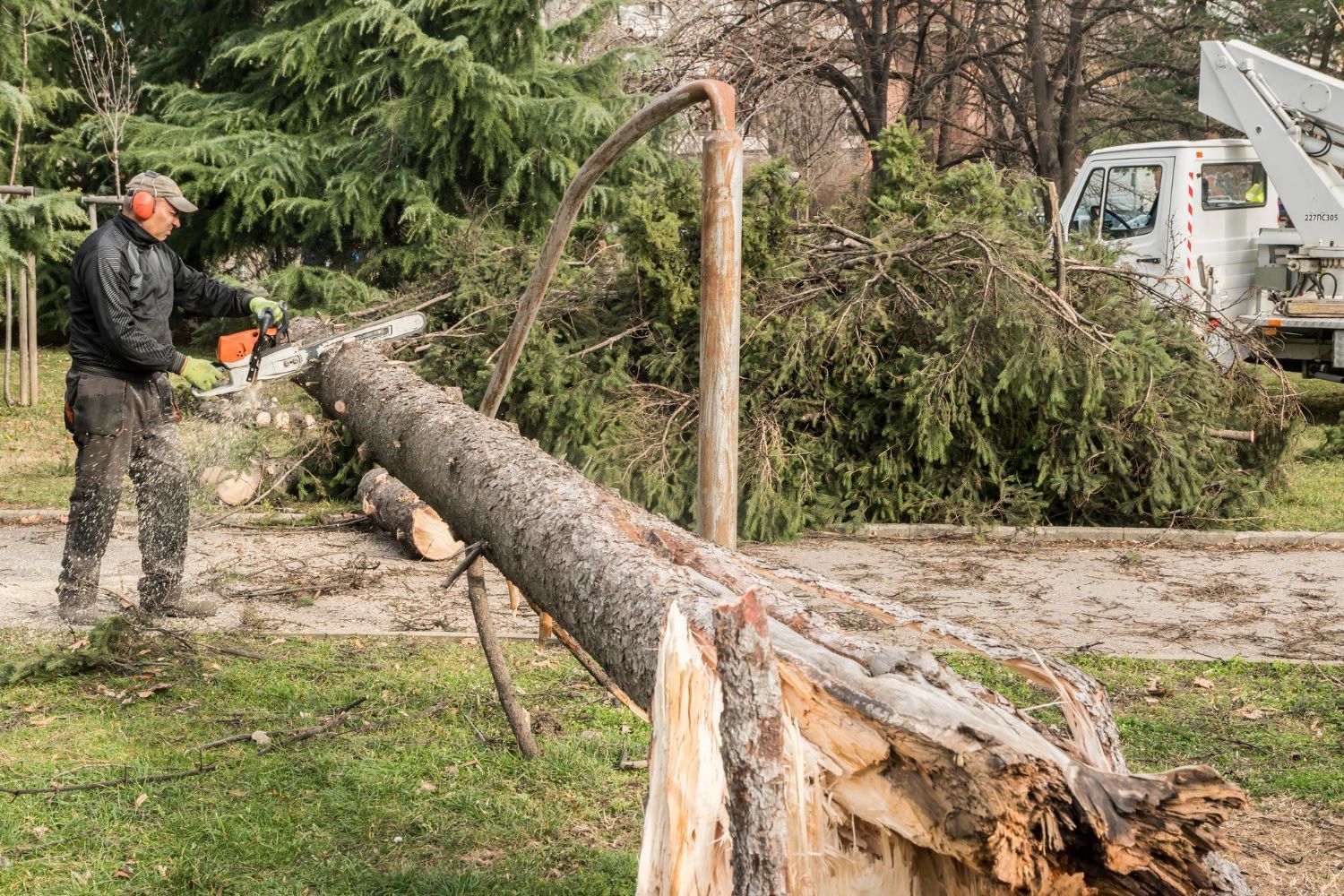
- Dead or compromised trees near buildings should be removed before they fall on their own
Storms do not wait. If a tree is clearly in trouble or planted too close for comfort, removing it before the windy season starts is usually the safest move. We always work carefully when deciding whether a tree needs to come down, but when roofs are at risk, waiting too long can be a mistake.
When roots grow too close to the house, they can disturb pipes and underground utilities, leading to expensive repairs. Trees planted near driveways, fences, or patios may eventually cause cracks in pavement or compromise structures, especially after prolonged rains. Sometimes, even a healthy-looking tree becomes unstable when the surrounding soil erodes. By acting before high winds strike, we reduce potential hazards and keep both roofs and groundwork safer through unpredictable weather.
Protecting Your Roof Starts at Ground Level
Getting ready for storms starts well before the weather report calls for strong winds. The steps we take now, from pruning overgrown limbs to clearing out crowded canopies, give our trees a better chance of standing strong through February and March storms. And they give your roof a better chance, too.
When we pay attention to where trees are growing, how healthy they look, and how they are positioned near buildings, it becomes easier to spot and fix problems before they cause damage. It is not just about keeping trees trimmed. It is about making homes safer as the seasons change. Tree services are an important part of that, especially here in New Mexico, where the weather shifts fast, and the wind does not always give much notice.
It is always best to stay ahead of possible trouble, since the sooner we recognize risk, the faster we can address it. Each season brings its own set of challenges, but smart actions before storms arrive help lessen the impact and keep repair needs manageable. We believe in maintaining both healthy trees and well-protected homes, knowing that thoughtful care protects both in the long run.
Prepare your property for storm season with expert tree removal services from Tree Experts, LLC. Our comprehensive care, including pruning and removal, ensures your trees are strong and your home is safe from potential damage. Don't wait until it's too late, let us help you maintain healthy trees and a secure roof. Reach out to us today for a consultation and gain peace of mind before the next storm arrives.

Share On: