
Why Trees Should Never Be Removed Without Assessment
Cutting down a tree might seem simple, especially if it looks like it's leaning or already dead. But tree removal isn't something to rush into. What may look like a quick fix could turn into a bigger problem if nobody checks the area or the actual condition of the tree first.
A tree can look healthy outside but be hollow on the inside. Other times, it may seem like it's about to fall, but it's still pretty stable. That's why we always need to take a good look before deciding to remove one. In winter, this is even more important. Cold weather in areas like New Mexico can bring its own challenges. Removing a tree without planning in slippery or frozen conditions can lead to broken branches, property damage, or even someone getting hurt.
Looking isn't just about the tree. It's also about what's around it, what's under it, and what the safest way forward really is.
Hidden Risks You Might Miss Without an Assessment
Just spotting a few dead branches doesn't mean you know the whole story. Trees give off warning signs, but not all are easy to see. Some of the biggest dangers are under the surface, or inside the tree itself.
• Some trees grow near pools, sidewalks, or gas lines. Their roots can wrap around underground utilities, which can crack or break when the tree shifts.
• A tree that leans slightly might feel safe since it's been that way for years. But sudden storms or changing soil after winter rain can make it unstable fast.
• Certain kinds of rot start inside the trunk and spread slowly. You won't notice it until limbs crack or unexpected holes start to show.
• Even if the tree looks strong, decay can sit right where you'd expect ropes or chains to hold during a removal. That means extra pressure could make weak spots give out.
Without checking all this, you could be guessing, and with trees, guessing can be dangerous.
How Assessments Help Make Tree Removal Safer
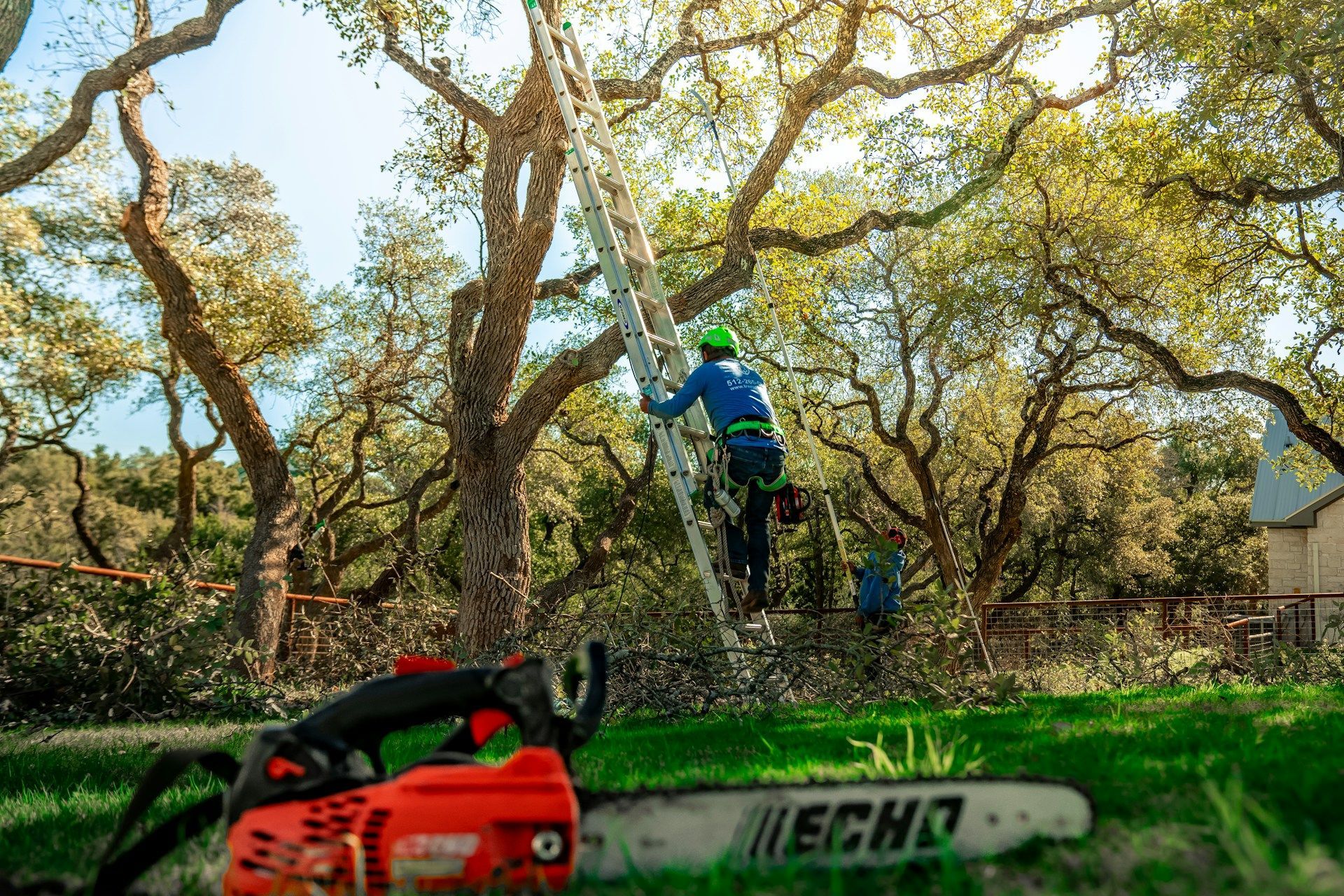
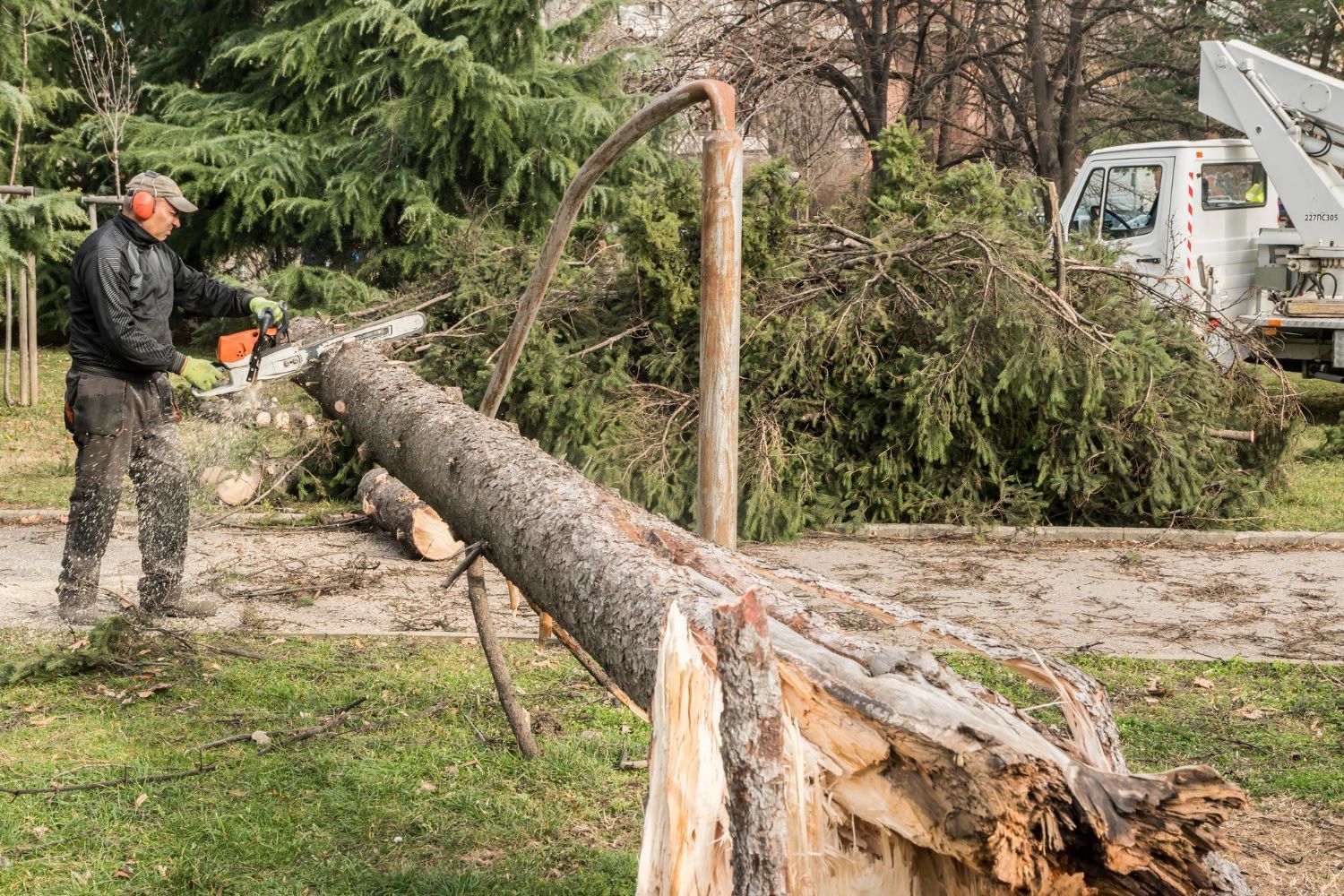
Before we touch a saw, we stop and study the whole area. That short time of planning makes the removal work much safer for people and for property.
• Every tree has its own shape, weight, and lean. We look at how its limbs are spread out and which way it might want to fall on its own.
• We feel the ground and check for conditions like soaked soil or frozen patches. Wet ground can cause heavy trucks or lifts to sink faster than expected. Slopes get extra slippery in winter.
• We scan the space nearby. Is there a fence close by? What about sheds, wires, power poles, or even pets playing nearby? These are the kinds of things you don't want to hit when a tree comes down.
With a little prep time, we know where we can cut and how to do it without surprise risks. It helps keep the whole project in control from start to finish.
When Winter Makes Tree Removal Even More Tricky
Tree removal in winter sounds like it might be easier. But cold weather in New Mexico can change how trees behave and how safe a job might be.
• When it's below freezing, wood acts differently. Branches can snap faster and fly farther than they do in warm weather. That makes even small limbs a real hazard during a cut.
• Snow or icy ground doesn't just make things cold, it messes with equipment and footing. Ramps, ladders, and tools don't grip the same when surfaces are slick.
• Wind plays a big part in timing. In highland areas, strong gusts can shift a falling trunk just enough to hit something you thought was clear.
Winter doesn't stop us from doing the work, but it does bring more things to factor in. Skipping the assessment just because the tree looks bad can lead to damage that costs more in the long run.
What Professionals Look For Before Removing a Tree
There's a reason we do more than just a quick glance. Before removing any tree, we walk the site, talk over the plan, and match the tools to the job.
• We look at the way the tree leans, how healthy the base looks, and if there are signs of rot or bugs. These clues help show how the tree might behave once it's disturbed.
• Uneven ground or hillsides need careful planning. We check how tight the soil is, and we always figure out where it's safest for the pieces to land.
• Based on what we find, we decide which tools we'll use and how many people we'll need. Cold weather might call for something different than we'd use in warmer months.
This kind of planning isn't over the top. It's just what's needed to do tree removal safely and reliably every time.
Smart Planning Leads to Fewer Problems Later
Removing a tree affects more than just the empty space it leaves behind. A poorly timed or rushed job can mess up nearby fences, driveways, sidewalks, or even cause damage to healthy trees nearby.
Taking the time to assess each tree means fewer surprises. We can better control which direction it falls, protect any nearby plants or buildings, and avoid setting cracks in concrete or tearing up the yard. It also helps keep everybody safe, especially during a winter job when good footing and timing are everything.
A careful check might feel like an extra step, but it's really what keeps everything running smoother, faster, and far less risky from start to finish.
Your Trusted Tree Experts in Los Lunas, New Mexico
Tree Experts, LLC has been serving Los Lunas, New Mexico, and surrounding Valencia County communities since 1998. As a family-owned business, we specialize in safe tree removal, tree trimming, stump grinding, and commercial tree care with a focus on local needs. Free estimates and 24-hour emergency services help make sure your yard or business stays safe year-round.
Ensure your property remains safe this winter by choosing professional
tree removal services from Tree Experts, LLC. Our experienced team is ready to assess your trees for any hidden risks that the cold weather might exacerbate. With careful planning and expert execution, we help prevent potential hazards and preserve the integrity of your landscape. Reach out today to discuss how our thorough assessments can make a difference for your home or business.

Share On: