
Signs a Large Tree Could Be Too Dangerous to Keep
Large trees bring character to a yard. They offer shade, help cool down your space in summer, and can make your property feel more inviting. But when a tree gets too big or starts showing signs of damage, it can cross the line from helpful to risky. That’s when tree removal may need to be part of the plan.
Some warning signs pop up slowly, while others show up after a storm or a rough winter season. Knowing what to look for can make all the difference when it comes to the safety of your home, family, or business. Below, we’ll cover the signs that suggest a large tree might be too dangerous to keep.
When Size Turns Into Risk
Big trees often come with big responsibilities. The larger a tree gets, the heavier it becomes, and that weight can shift over time. If it falls, the damage can reach well beyond the trunk.
- Older trees with wide trunks and very tall branches need extra attention, especially if they lean to one side
- A slanted tree might be growing unevenly, which makes it more likely to snap or fall during high winds or rain
- Wide canopies that stretch over houses, cars, or sidewalks raise the risk for falling limbs
Sometimes, the size of the tree doesn't match the space where it’s planted. A huge tree squeezed into a tight spot puts nearby structures at risk. Even if it’s standing tall and looks healthy, the location and reach alone might be enough to start thinking about safety first.
And as trees age, their growth habits can also cause them to outgrow the soil and area around them. This extra pressure on the roots and trunk can change the way the tree stands, affecting nearby objects or buildings. So, considering where and how big your tree has grown is key to understanding whether it might be becoming risky.
Warning Signs in the Trunk and Base
What you see on the outside often tells you a lot about what’s going on inside the tree. The trunk and base are good places to look for early trouble.
- Deep cracks running up the trunk or branches can show that the structure is weak
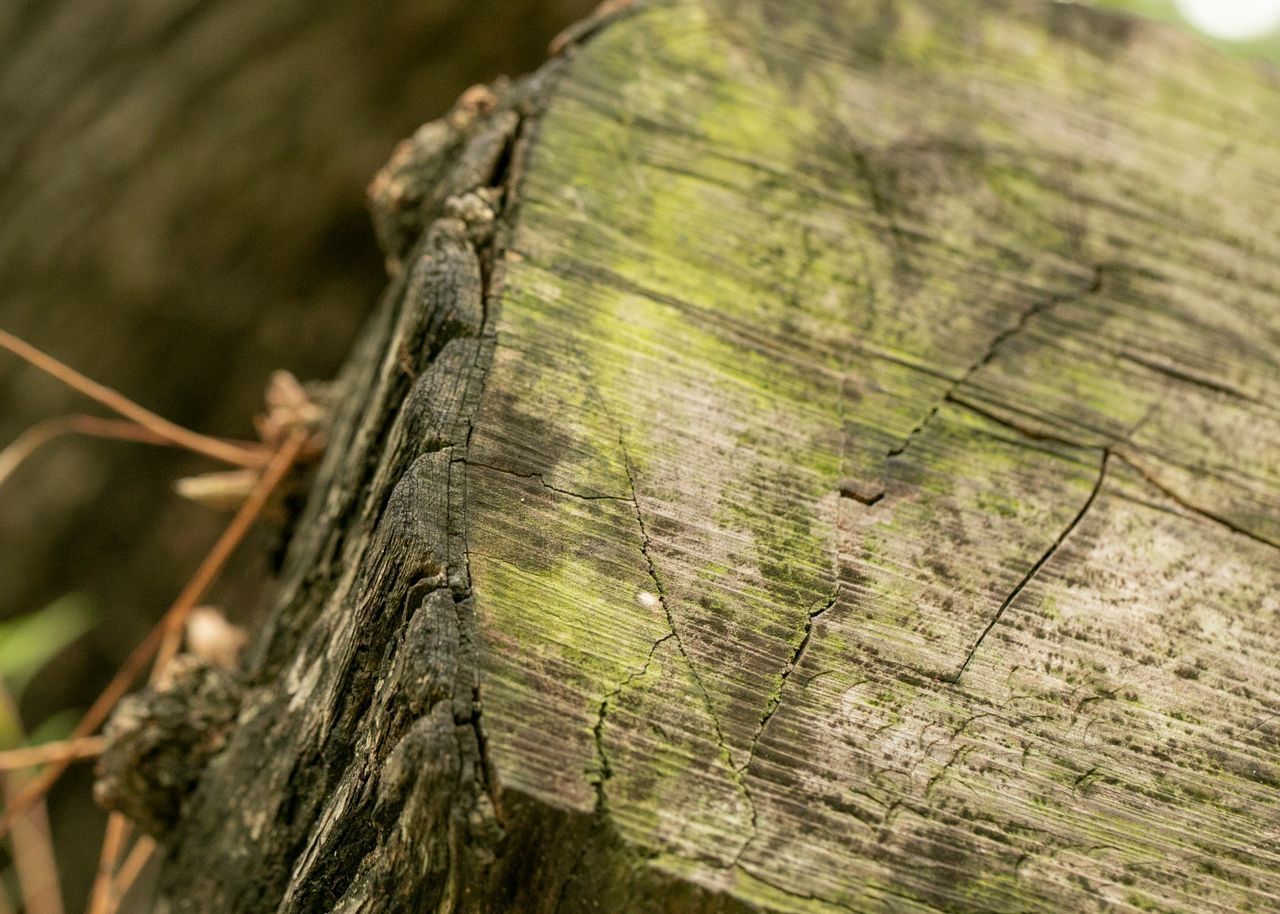
- Hollow spots in the trunk might mean decay has already worked its way inside
- Fungus, like mushrooms growing at the base, can be a sign of internal rot
Roots showing above the soil or cracking sidewalks nearby may also signal that the tree is losing its grip underground. If the ground appears mounded or lifted near one side of the trunk, the tree might be beginning to tilt. When roots shift, the whole tree becomes unstable fast.
Paying attention to tiny details, like loose bark or tiny holes in the wood, can also help. Sometimes insects or disease create hidden issues, and these small warning signs are the first clue that the tree’s base is not as strong as it once was.
Dead or Dropping Limbs
Losing a few small branches here and there might not feel like a big deal, especially during dry weather or seasonal changes. But regular or large limb drops are a sign that something bigger could be wrong.
- A tree that drops branches without warning often has damage hidden inside
- Dead limbs sitting high up can break off later and fall where people walk or park
- Active leaf growth doesn’t always mean the tree is healthy throughout
Even trees that seem fine from a distance can have weak or dying spots up high. When we see this happening over patios, walkways, or rooftops, it’s time to think seriously about the risks.
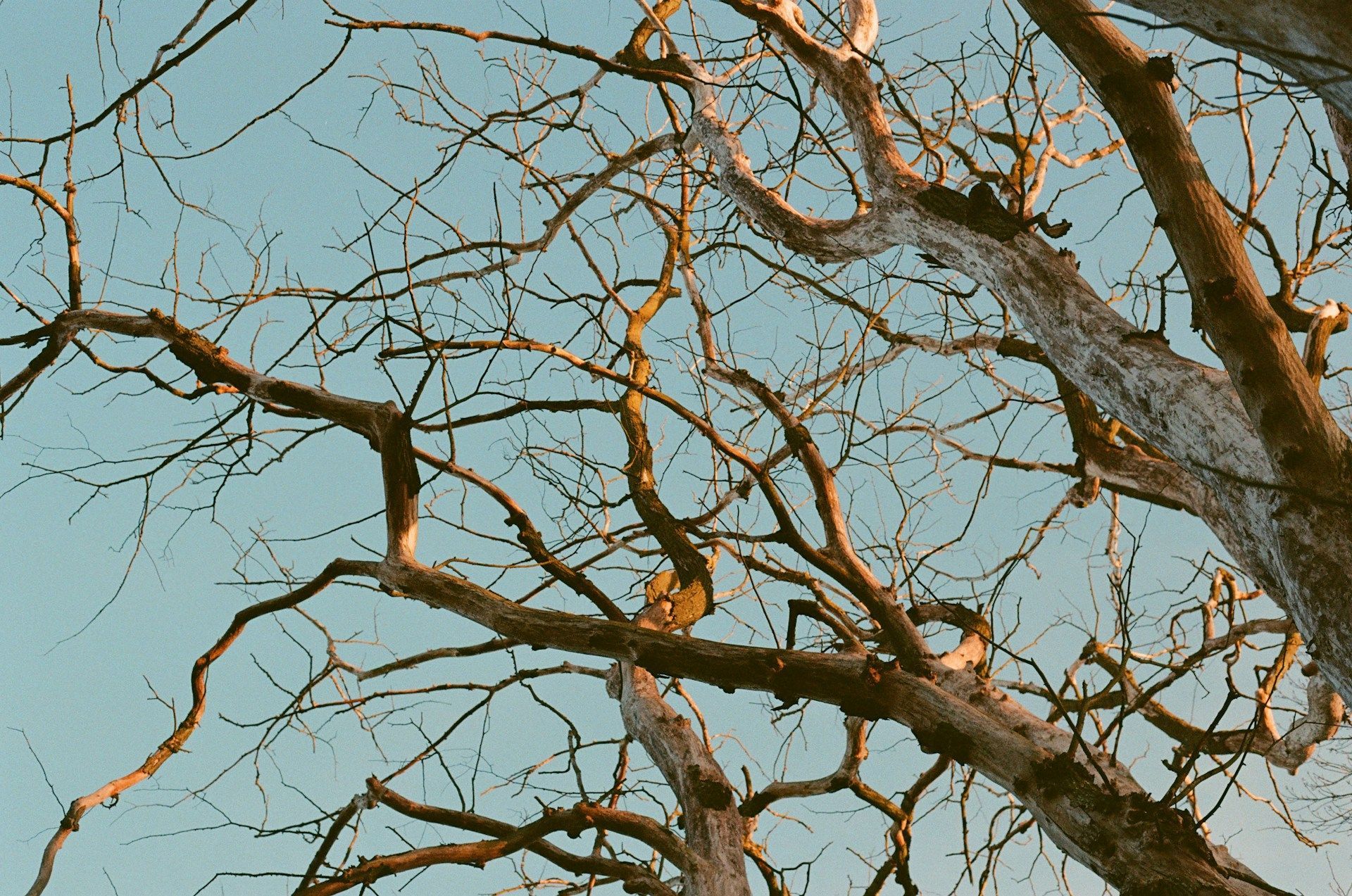
Plus, branches that show cracks, peeling bark, or look dry compared to others can become a danger to anything below. If dead or heavy limbs drop during wind or storms, it can cause unexpected accidents, adding more urgency to check the tree’s full health from top to bottom.
Changes Following Storms or High Winds
In Los Lunas, New Mexico, winter winds can be tough on trees. Strong gusts and sudden shifts in weather can split trunks, shred branches, or tilt already leaning trees farther out of place.
- A tree that sways more than before or grows at a new angle can be at risk
- Bark peeling away or splitting after a storm may point to deeper breaks below
- Misshaped tops or branches that changed direction might mean the structure has been weakened
Some of these problems don’t appear right away. A storm might pass without visible damage, but small cracks or stress spots can grow worse over time. Watching closely for signs over the next few weeks can prevent future surprises.
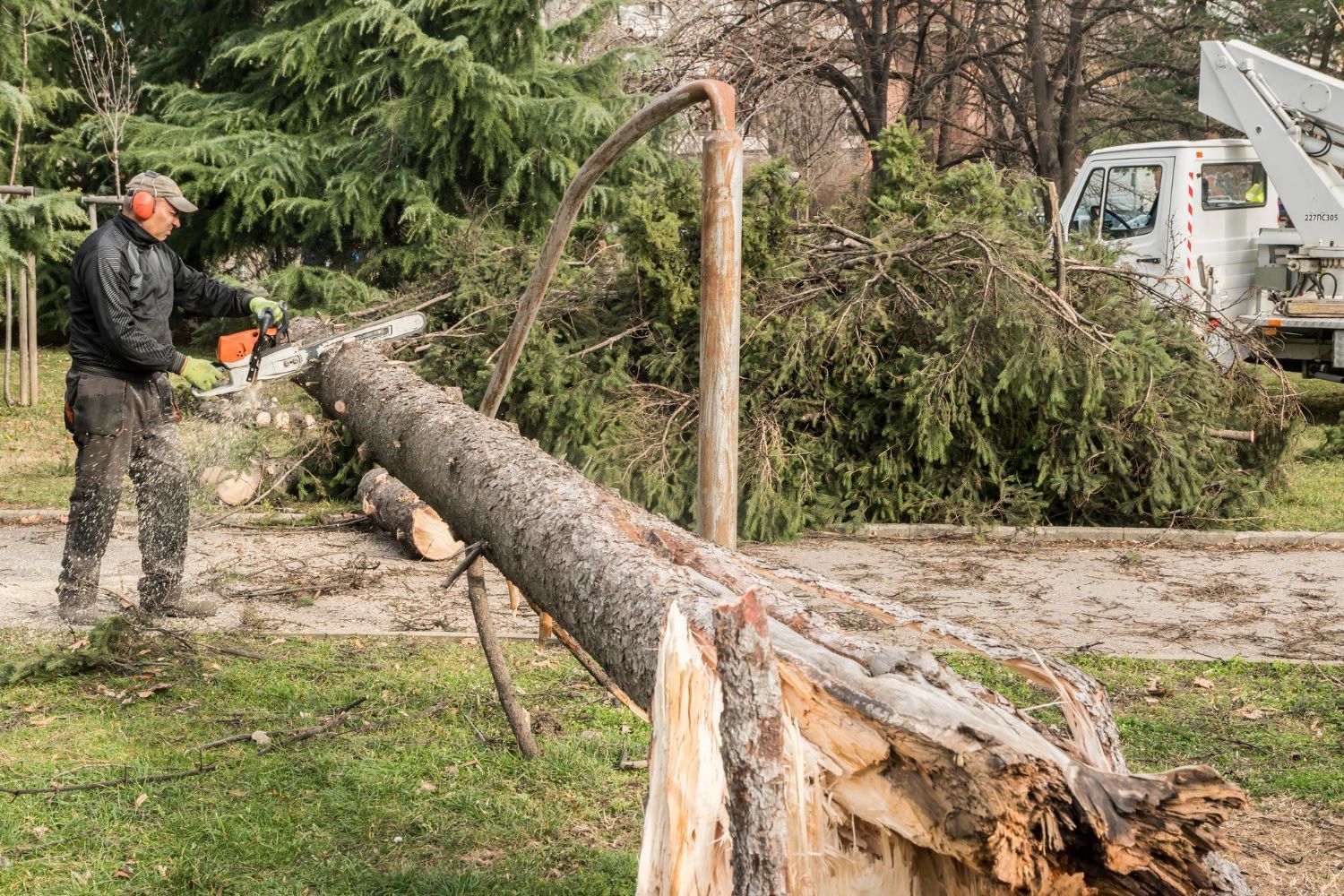
Staying alert for changes after every big storm helps catch weak spots, leaning trunks, or splintered branches before they pose real trouble. Even if the tree appears to stand up strong immediately after a storm, keep an eye out for sagging, cracks, or limbs that slowly droop with time. Quick checks can make sure the property stays safe as the seasons change.
When Location Makes the Risk Worse
Where a tree stands can change everything. A tree that’s healthy but placed too close to a building, fence, or power line still brings added risk.
- Trees near homes or garages have less space to drop limbs safely
- Roots growing under sidewalks or driveways can force up hard surfaces
- Uneven landscapes or slopes can leave trees leaning or unstable
If a tree stands near public walkways or shared drive lanes, any sign of damage might raise legal or safety concerns. We always look at more than just the tree itself. The spot it stands in matters just as much.
Also, branches close to utility lines become not just a property risk but a safety concern for everyone nearby. If you notice that branches or leaves touch or sway near live wires, extra caution is necessary, and professionals should handle the assessment. Proximity to roads, bus stops, or playgrounds raises the stakes when it comes to tree safety in public or shared spaces.
Knowing When It's Time to Make a Safe Choice
Not every big tree has to come down. But once certain signs show up, like hollow trunks, heavy limb drops, or post-storm tilting, the risks start to build up fast. If a tree grows in a busy area or close to structures, even small signs of damage should grab your attention.
Good planning and regular checkups go a long way, but when big warning signs appear, acting early helps protect people and property. Watch for the signs, keep your space safe, and don’t wait too long to take action when a tree starts to change.
If you ever feel uncertain about what you’re seeing, it’s better to err on the side of caution. Noticing new cracks, leaning, or decay is enough reason to pause and consider asking for a closer look. Waiting too long can be all it takes for a risky situation to get worse, so quick action is always the safer route.
Expert Tree Removal and Safety in Los Lunas
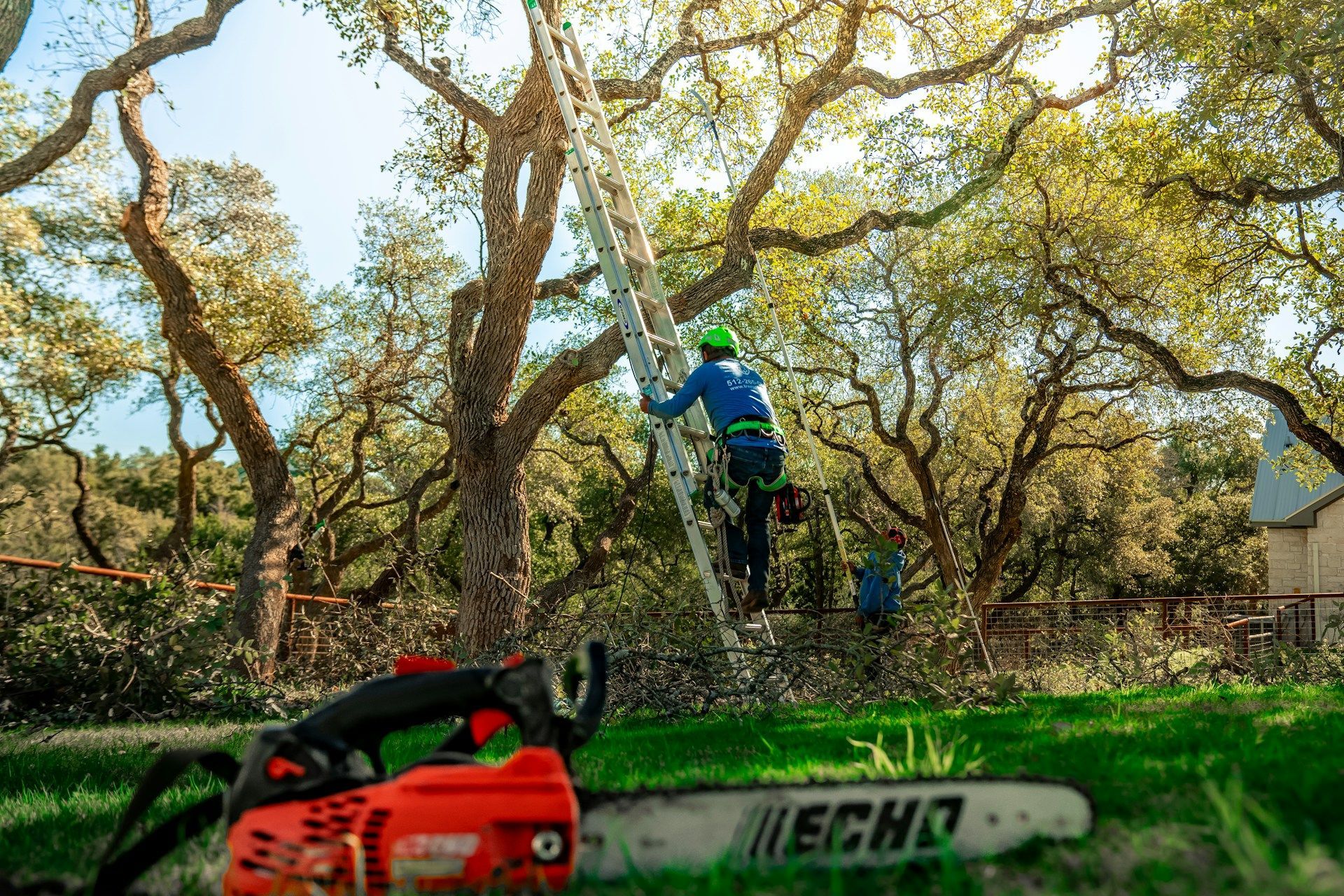
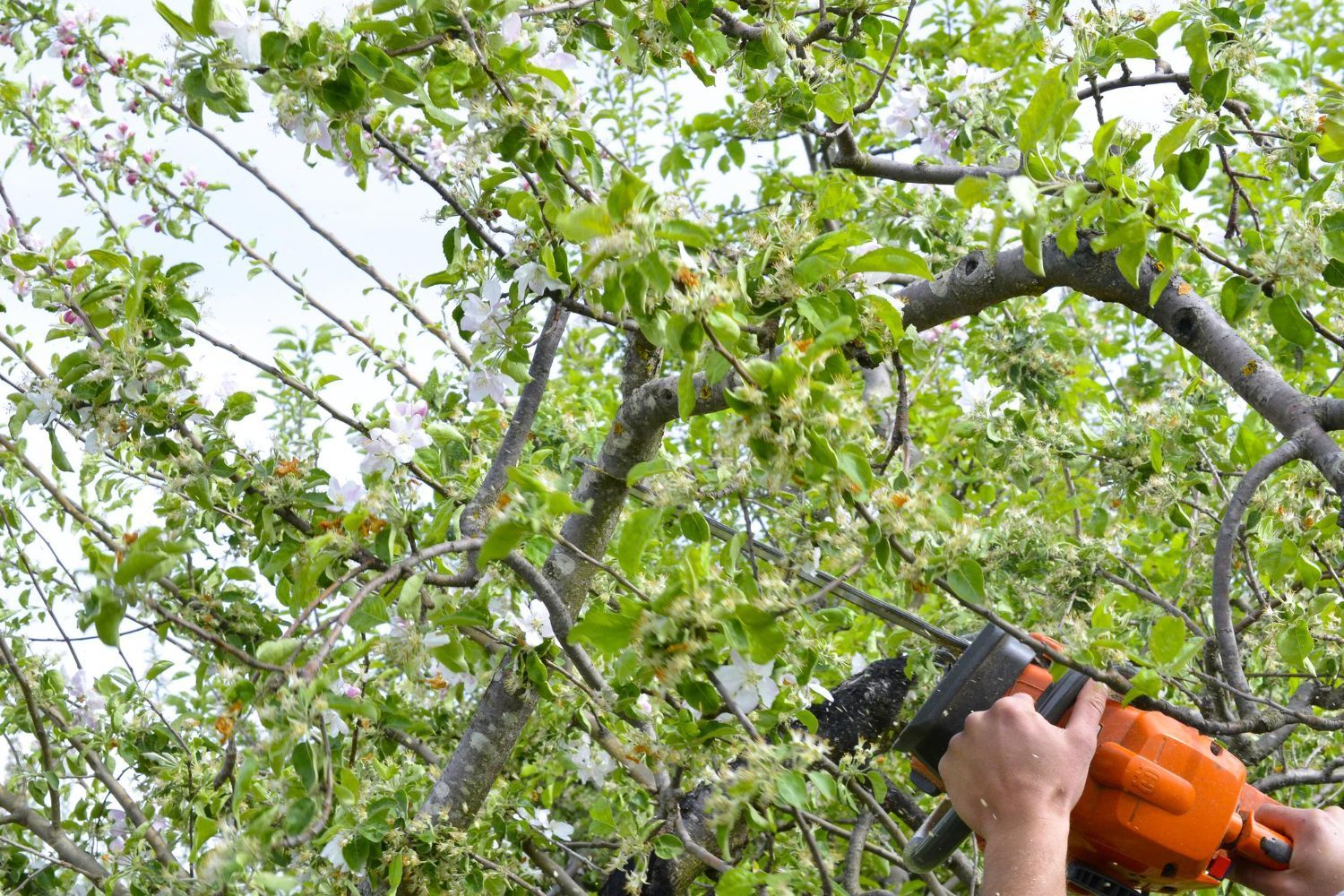
If you are unsure whether your tree is a safety risk, we offer free estimates and professional assessments for property owners throughout Los Lunas, New Mexico, and Valencia County. Our experienced team can inspect even the largest or most hazardous trees and suggest solutions that keep your yard and structures secure. We provide tree removal, pruning, stump grinding, and emergency services year-round to help reduce risks from old, damaged, or storm-injured trees.
Noticing signs that a tree on your property might not be safe is a good reason to act before the issue gets worse. We have helped many property owners in and around Los Lunas, New Mexico, address problems where older or storm-damaged trees became unexpectedly dangerous. For concerns like leaning trunks or dropping limbs, taking early action is always best. Learn more about how we handle tree removal and why it matters. If you see these warning signs, contact Tree Experts, LLC today so we can help you determine the right next steps.

Share On: