
Professional Winter Tree Trimming Guidelines
Tree trimming is something many folks think about in the spring or summer, but winter is actually one of the best times to do it. When trees are dormant, trimming becomes easier, cleaner, and better for the tree's long-term health. With no leaves in the way and growth slowed down, winter gives you a clear look at a tree's structure, which helps make smarter cuts without overstressing the branches.
By late December, most trees have entered full dormancy. This resting stage makes it safer to remove limbs and shape a tree without encouraging new growth that could get damaged in freezing weather.
Winter trimming also helps avoid certain tree diseases that are spread more easily during active seasons. It's a smart move for both homeowners and commercial property owners who want healthier, better-shaped trees when things warm up again in spring.
Benefits of Winter Tree Trimming
Winter trimming does more than just clean up branches. The cold season opens up a short window where trimming has bigger long-term rewards than at other times of the year.
Here are a few big advantages:
1. Less risk of spreading pests or disease: Most pests aren't active in cold weather. That means when cuts are made, they're not as likely to invite insects or infections into the tree. Many tree diseases thrive during warm months or rainy seasons, so winter trimming lowers that exposure.
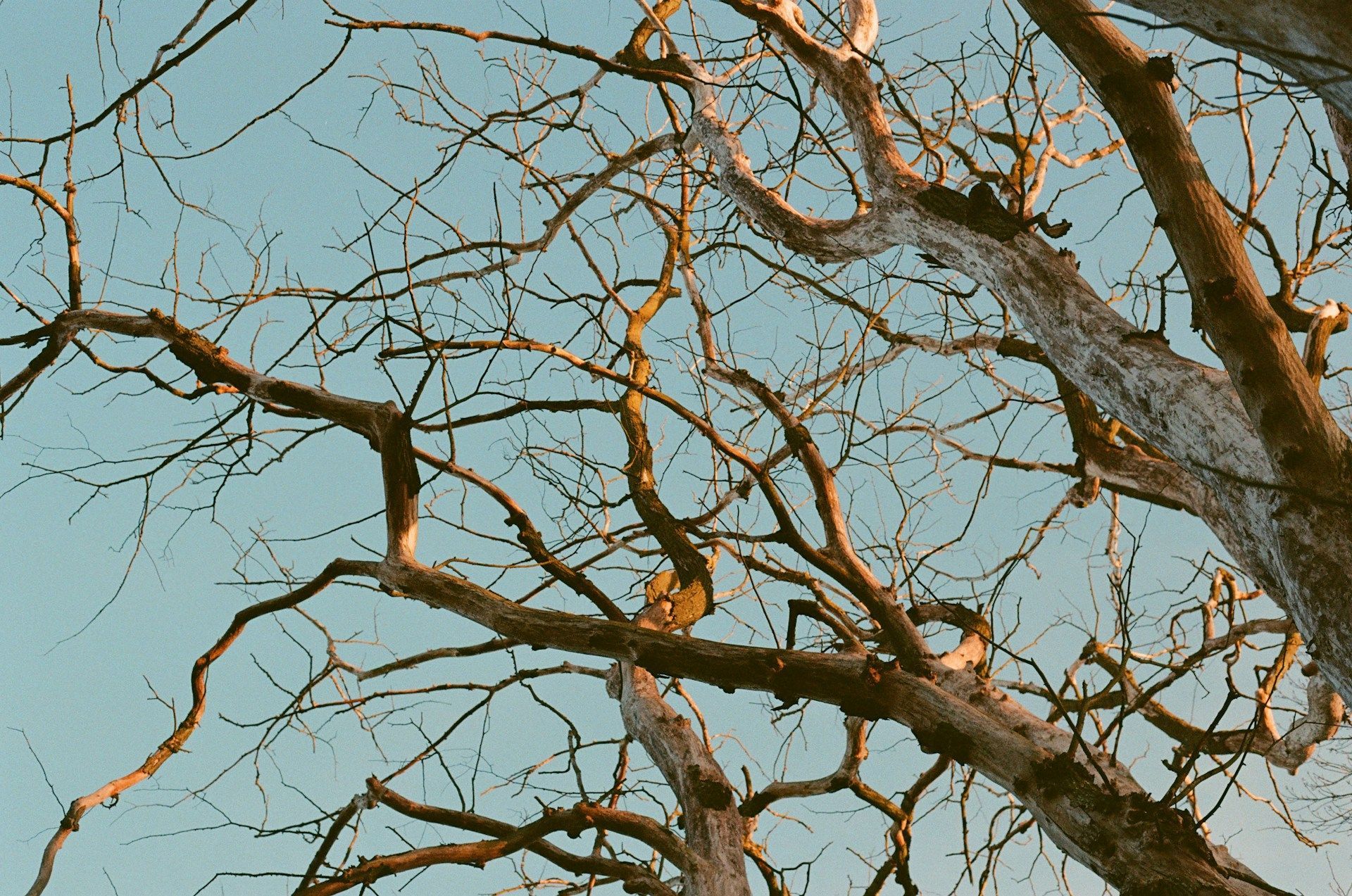
2. Clear view of the tree's frame: Without all the leaves in the way, it's easier to spot problem limbs. Broken branches, rubbing limbs, or awkward growth patterns stand out more. That makes it simpler to decide where to trim for shape, strength, and future growth.
3. Reduced stress on the tree: Trimming when the tree is dormant allows time to heal before spring. New limbs aren't growing yet, so the tree isn't trying to push resources toward wounded areas. That promotes stronger healing and better blooms or leaf growth in warmer months.
4. Easier access for crews: Frozen ground can actually help when large limbs have to come down. It's more stable than muddy or soft ground and cuts down on the chances of damaging nearby landscape or lawn features.
One homeowner noticed several trees brushing against their siding just before Christmas. Instead of waiting for spring, they scheduled a winter trim and had the limbs safely removed. Not only did it protect the house, but the trees filled in better once spring hit with no awkward gaps or jagged regrowth.
Winter trimming isn't just about looks. It's about using the season to a tree's advantage and getting the most out of both appearance and safety.
Winter Trimming Techniques and Best Practices
Knowing when to trim is only half the job. How it's done matters just as much. Winter has its own set of rules, and following good practices keeps trees in good shape while reducing risk.
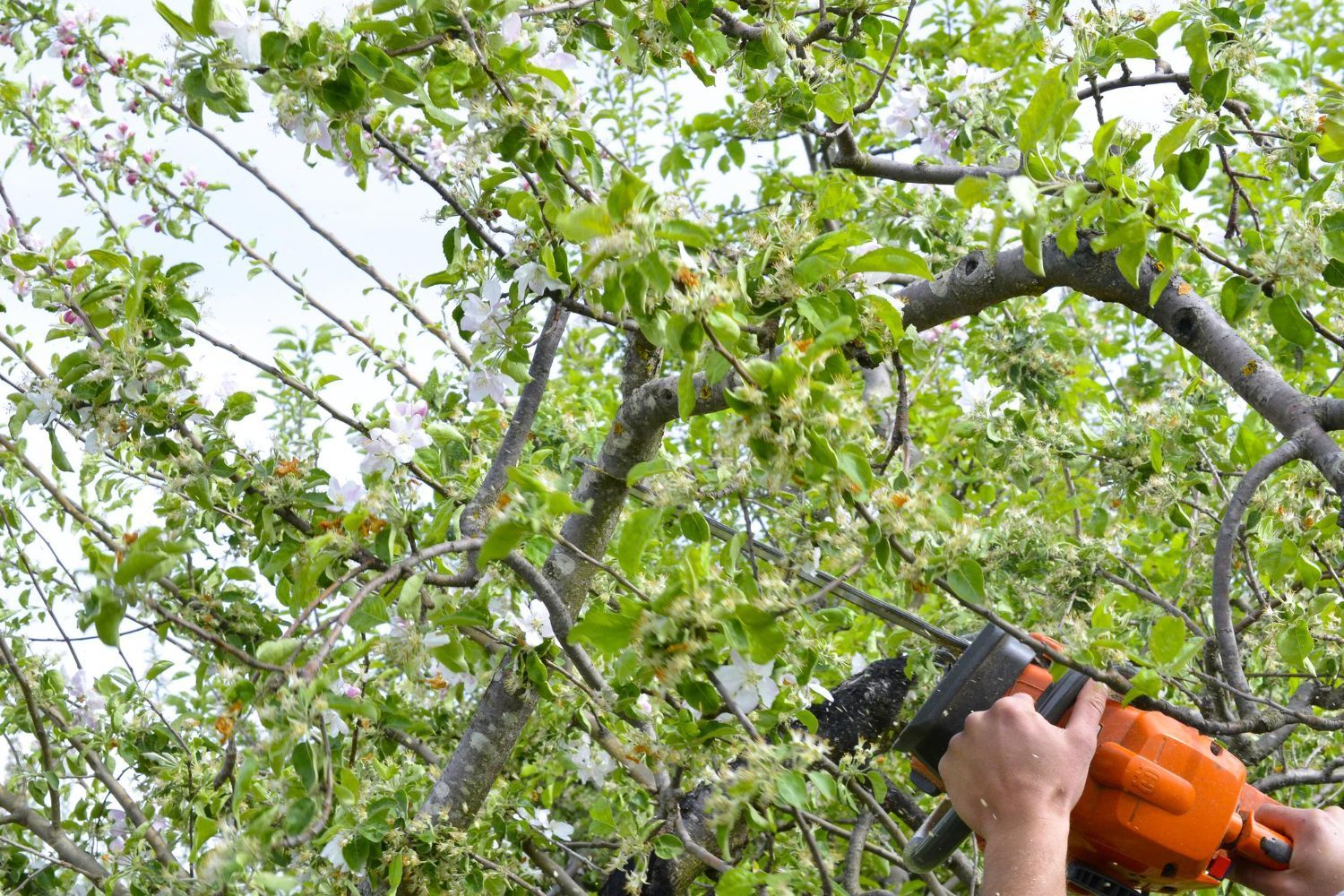
Start by using the right equipment. Trimming in cold weather can be rough on tools, especially low-quality ones.
- Choose bypass pruners or loppers with sharp, clean blades
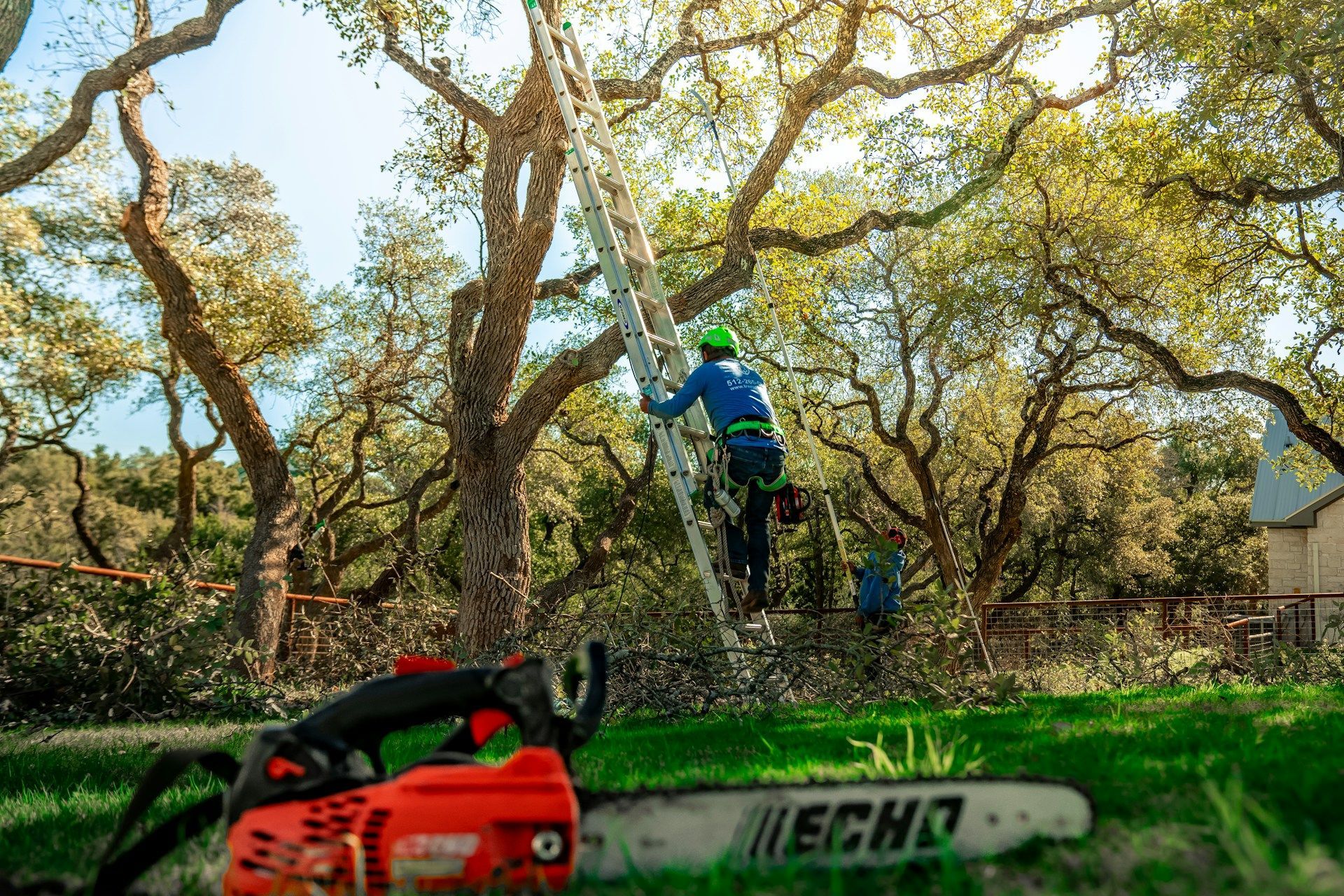
- Use pole saws for higher limbs and ladders rated for outdoor work
- Make sure all tools are cleaned between trees to prevent spreading fungus or bacteria
When trimming, focus on problem areas first. That includes:
- Dead, brittle, or broken branches
- Limbs that cross or rub each other
- Branches growing too close to homes, power lines, or walkways
In winter, cuts should be made at the branch collar, the swollen area where the branch connects to the trunk or larger limb. Avoid cutting too close or leaving long stubs. Both mistakes make healing harder, especially during freezing conditions.
Take extra time to balance the tree's shape. Don't trim too much from one side or heavily from the top. A well-balanced trim helps trees stand strong when winter brings wind, snow, or ice.
Skip any large cuts if you see damage expanding into the trunk or signs of rot near the base. That's a sign the job may require more than a basic trim and could need professional help.
Taking these steps now, during the dormant months, allows trees to be safer, stronger, and better looking once warmer weather rolls in.
Safety Measures During Winter Trimming
Working on trees in the winter takes more than just cutting in the cold. It comes with extra safety concerns that aren't present in warmer seasons. If you're outside trimming during icy days or after a snowfall, plan ahead to keep everyone safe.
One of the biggest risks comes from slippery conditions. Ice and snow can build up around roots, driveways, or slopes, which makes footing unsteady. Before doing anything, clear walkways and work zones. It's better to take some time preparing the space than slip with sharp tools in hand.
Another safety tip is using the right winter gear. It's not about bundling up too much, but choosing layered clothing that keeps you warm without restricting your movement. Gloves should protect your hands but still allow grip. Look for boots with strong tread to help avoid falls.
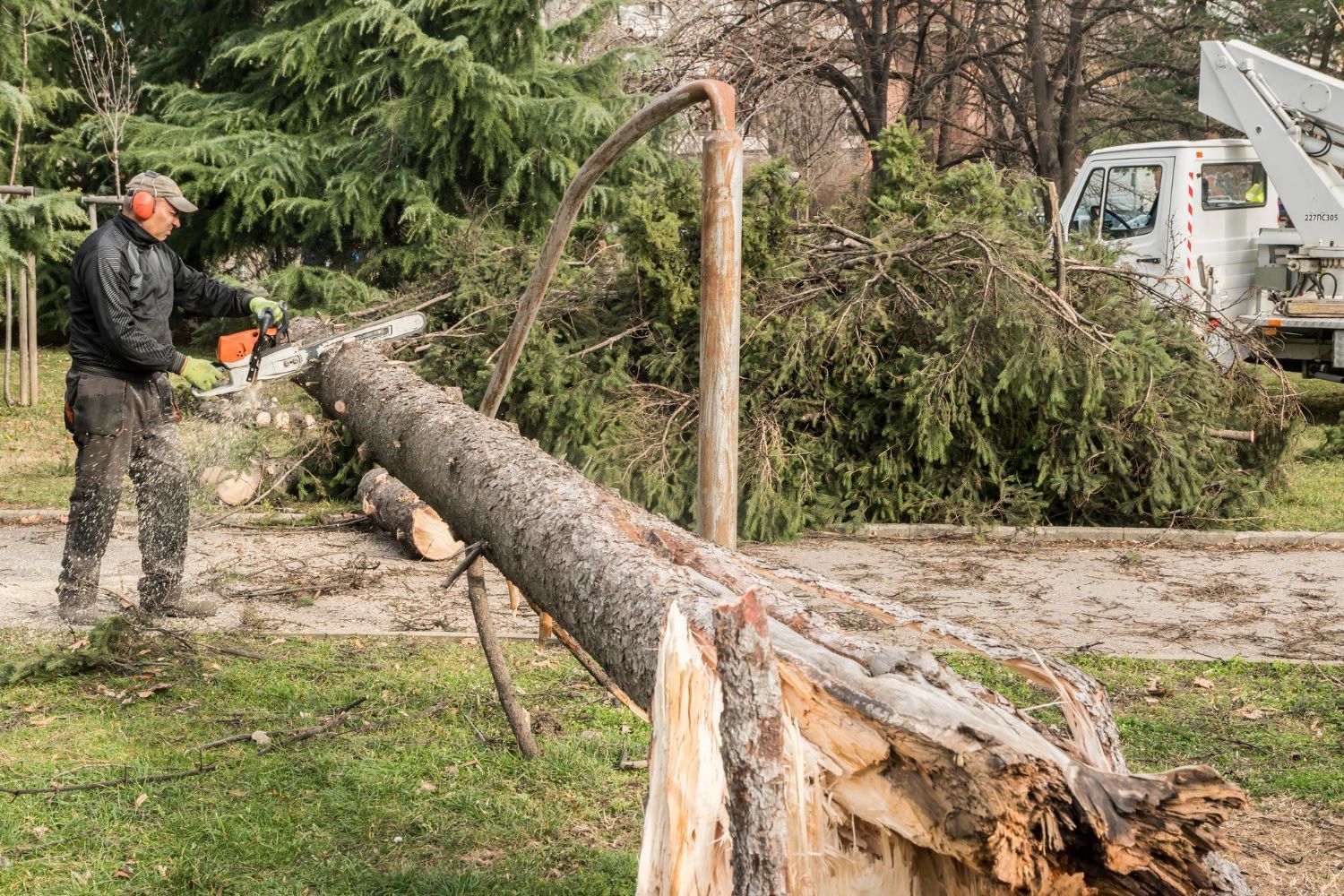
If trimming requires reaching higher branches, use ladders that are sturdy and made for outdoor use. Make sure someone else is nearby to hold the ladder or keep watch. Snow-covered limbs may look stable, but can be brittle or weaker than they seem.
Here's a list of things to double-check before starting:
- Keep walkways free of ice and snow
- Use layers that insulate but don't interfere with movement
- Use gloves that maintain grip in the cold
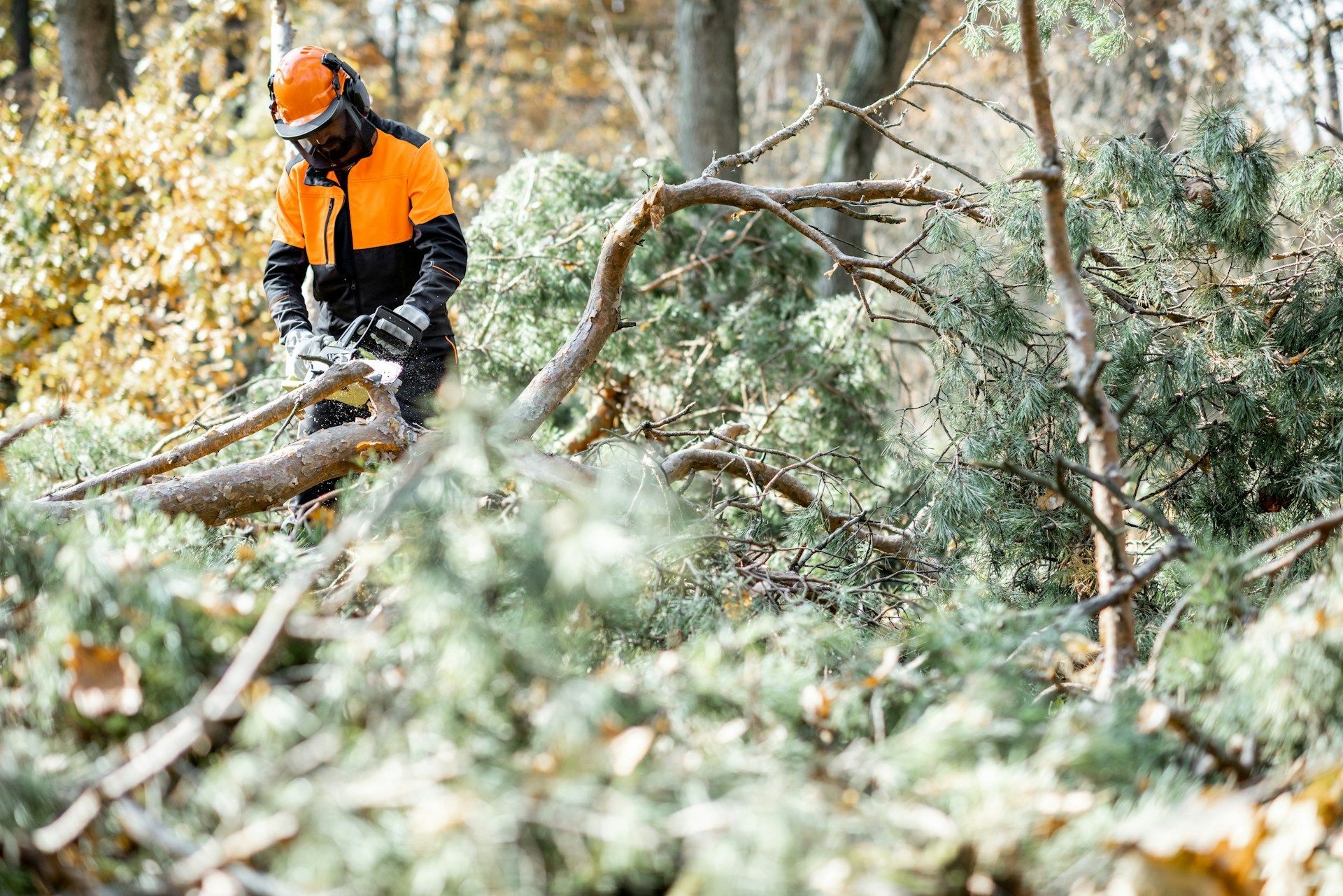
- Wear safety glasses to protect from falling limbs
- Avoid working on your own
- Watch weather forecasts for approaching storms or dropping temps
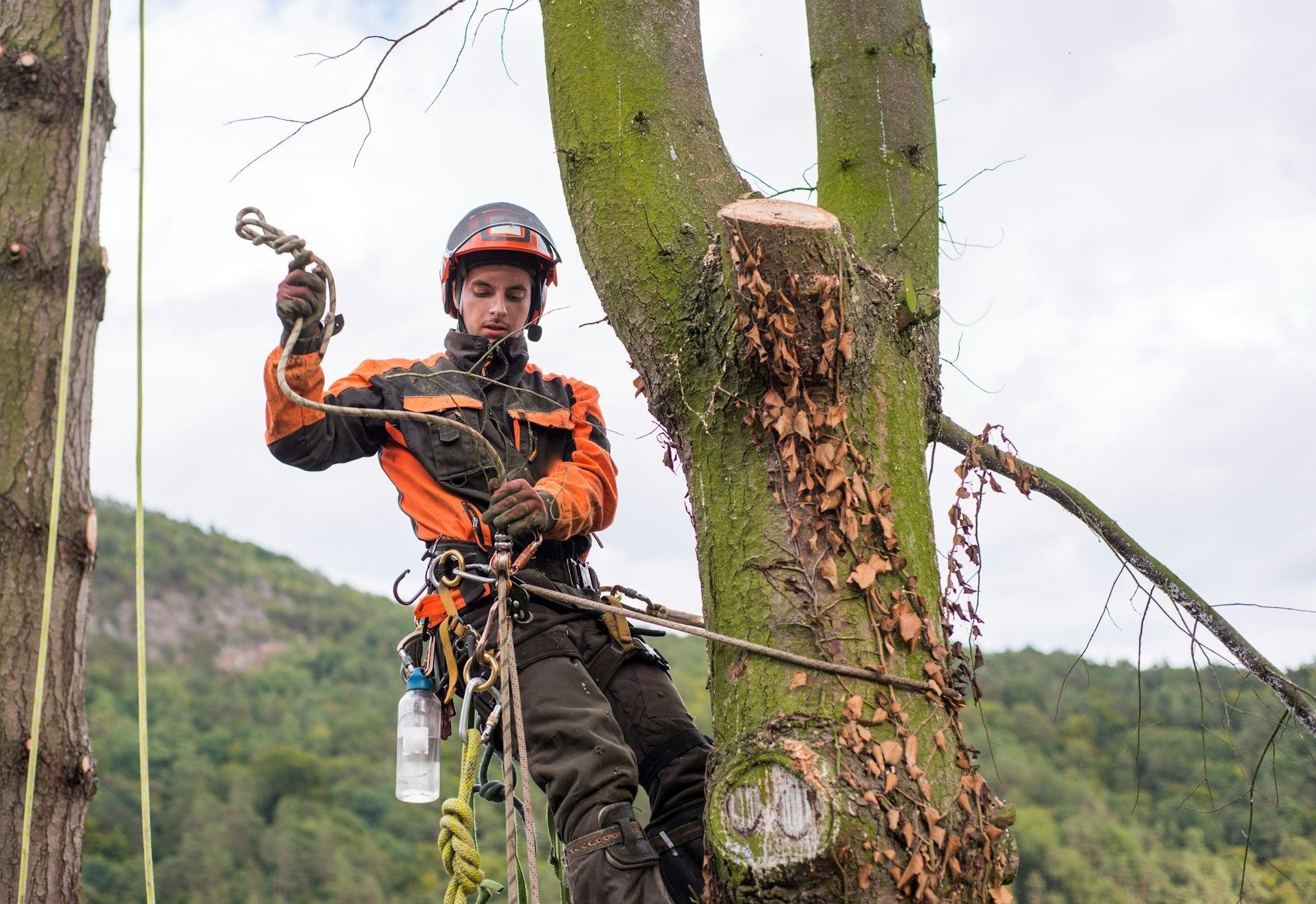
Sometimes jobs are just too big or risky. Large limbs, especially near rooftops or power lines, should never be tackled without proper training. It's better to step back and call for help rather than take a chance.
Preparing Your Trees for Spring
After winter trimming is done, a little extra care can help trees get off to a stronger start once spring rolls in. The trimming sets up the structure, but spring prep supports the root system and overall health.
One way to help is by laying mulch around the base of the tree. Use natural, non-colored mulch and pile it two to four inches deep, but keep it a few inches away from the actual trunk. That way, moisture stays in the soil without encouraging rot around the base. Mulch also offers insulation against sudden temperature drops, especially during early spring freezes.
Watering isn't always needed in the cold, but by late winter, if the ground is dry and there's no snow cover, deep watering once can help feed the roots. Check the soil first. If it's frozen solid or soggy, wait until conditions improve.
Inspect trimmed areas for signs of damage. Cracks in the bark, gnaw marks from critters, or unusual color on branches might show up closer to spring as trees start waking up for the season. It's easier to catch these early and deal with them before they spread.
Another good step is making a follow-up plan:
- Walk your yard and make notes on how each tree looks post-trim
- Set reminders to check for new growth or unusual changes once spring begins
- Plan ahead for any needed shaping later in the year
Trimming in winter gives your trees a clean start. But keeping an eye on what comes next ensures they stay strong and attractive into the warmer months.
Expert Care for Healthier Trees Year-Round
Winter trimming isn't just a chore to cross off the list. It's a chance to help your trees thrive with less risk and better results. By choosing the slower season, you're working with nature, not against it. Clear views, lower pest pressure, and minimal stress on the tree all add up to healthier growth down the line.
Cold-weather care has its challenges, but with the right gear, focus, and simple checks before and after each trim, you're setting up for a smoother spring. Whether you're managing a single tree or a whole property, trimming in winter puts you in a strong position before growth kicks off again.
Enhance your landscape's health and appearance this season with the right care. At Tree Experts, LLC, we specialize in expert tree trimming during the winter months, helping your trees thrive as spring approaches. Our skilled team knows precisely how to tackle these tasks with precision, ensuring your trees are well-prepared for the upcoming growth season. Schedule a consultation today to see how we can assist with maintaining your tree health all year round.


Share On: