
Winter Tree Care Strategies For Commercial Properties
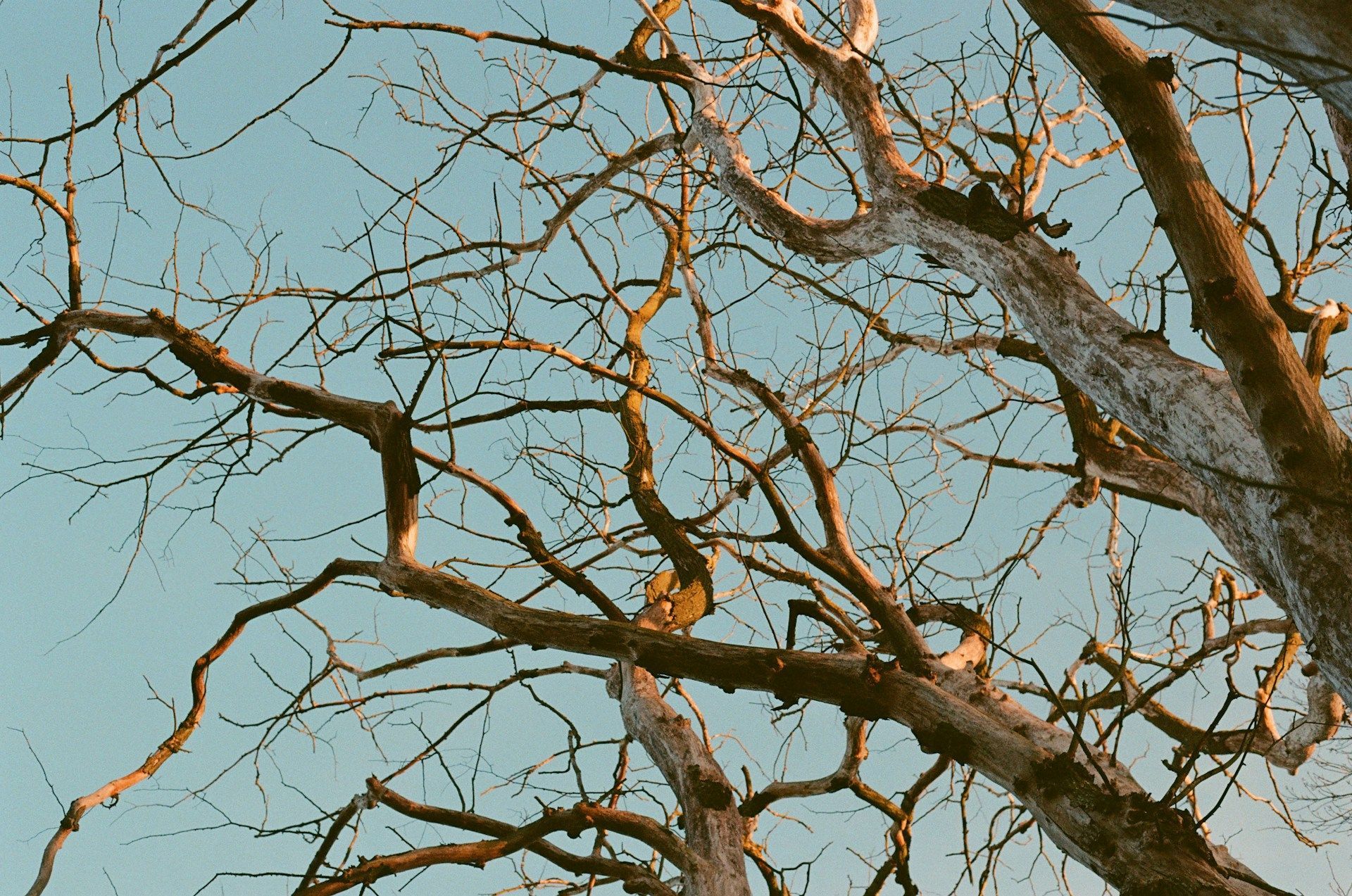
Winter brings a noticeable shift in how commercial properties look and feel. Leafless trees and bare landscaping can sometimes give the impression that a space is unkept or poorly managed. That's why it's worth paying special attention to your property's trees even when everything else seems quiet. A well-maintained tree line helps draw positive attention, gives structure to the landscape, and reflects care across the entire property, no matter the season.
Beyond appearances, proper tree care in winter also plays a major role in safety. Weakened limbs, icy buildup, and strong wind gusts can lead to dangerous situations if trees aren't prepared.
For businesses and commercial properties, keeping these threats in check doesn't just protect people. It also helps prevent expensive damage to buildings, signage, and vehicles. Long story short, giving trees the right support before and during the colder months is a smart move both for looks and liability.
Preparing Trees For Winter
Getting trees ready for the cold isn't about doing something dramatic. It's about catching problems early and giving trees a better shot at staying healthy until spring. Before winter hits hard, it helps to step back and take a look at each tree on the property, especially those closest to structures, sidewalks, driveways, or high-traffic walkways.
Start by identifying trees that show signs of stress or damage. This might include:
- Dead or cracked branches
- Bare spots along the trunk
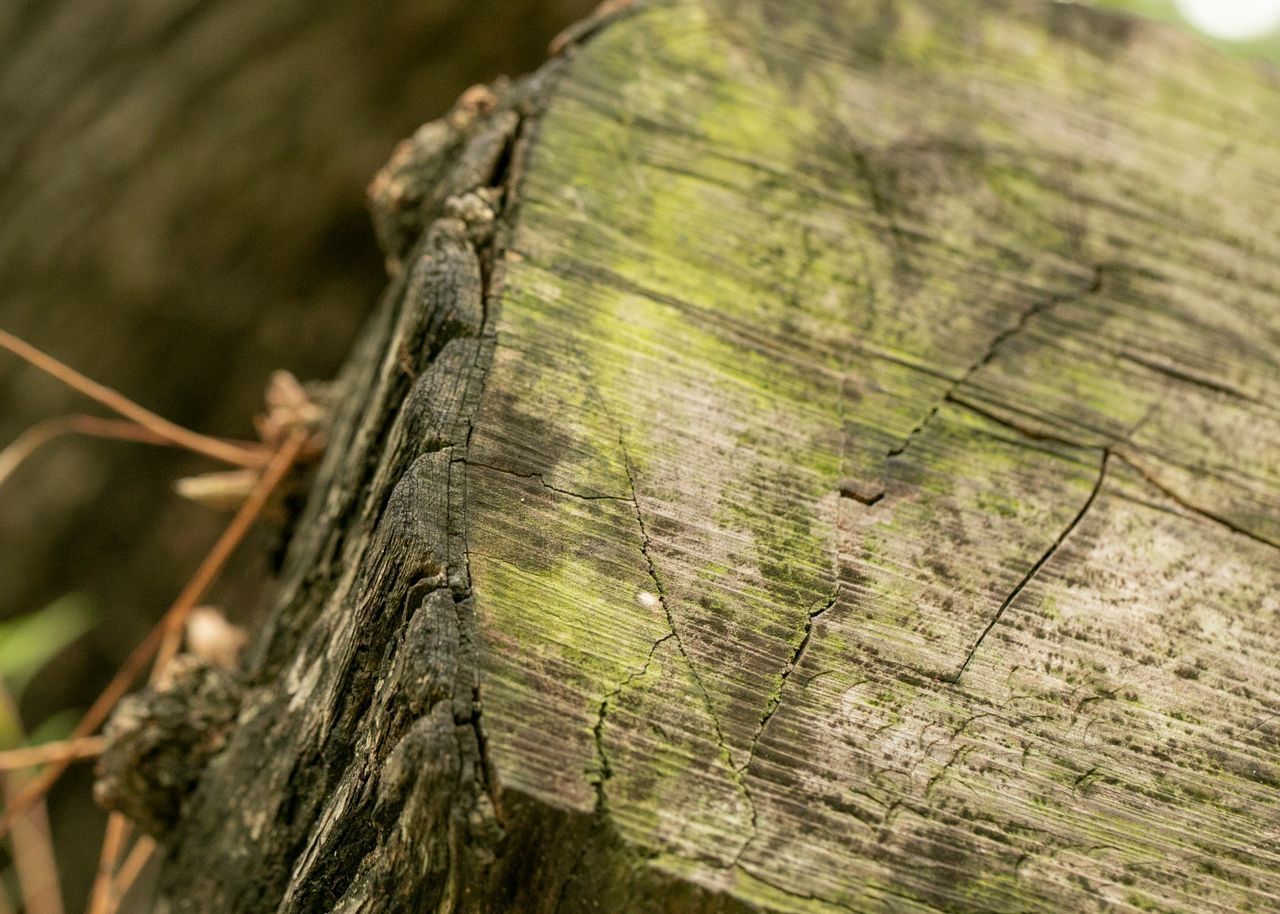
- Fungal growth or peeling bark
- Leaning trunks or exposed roots
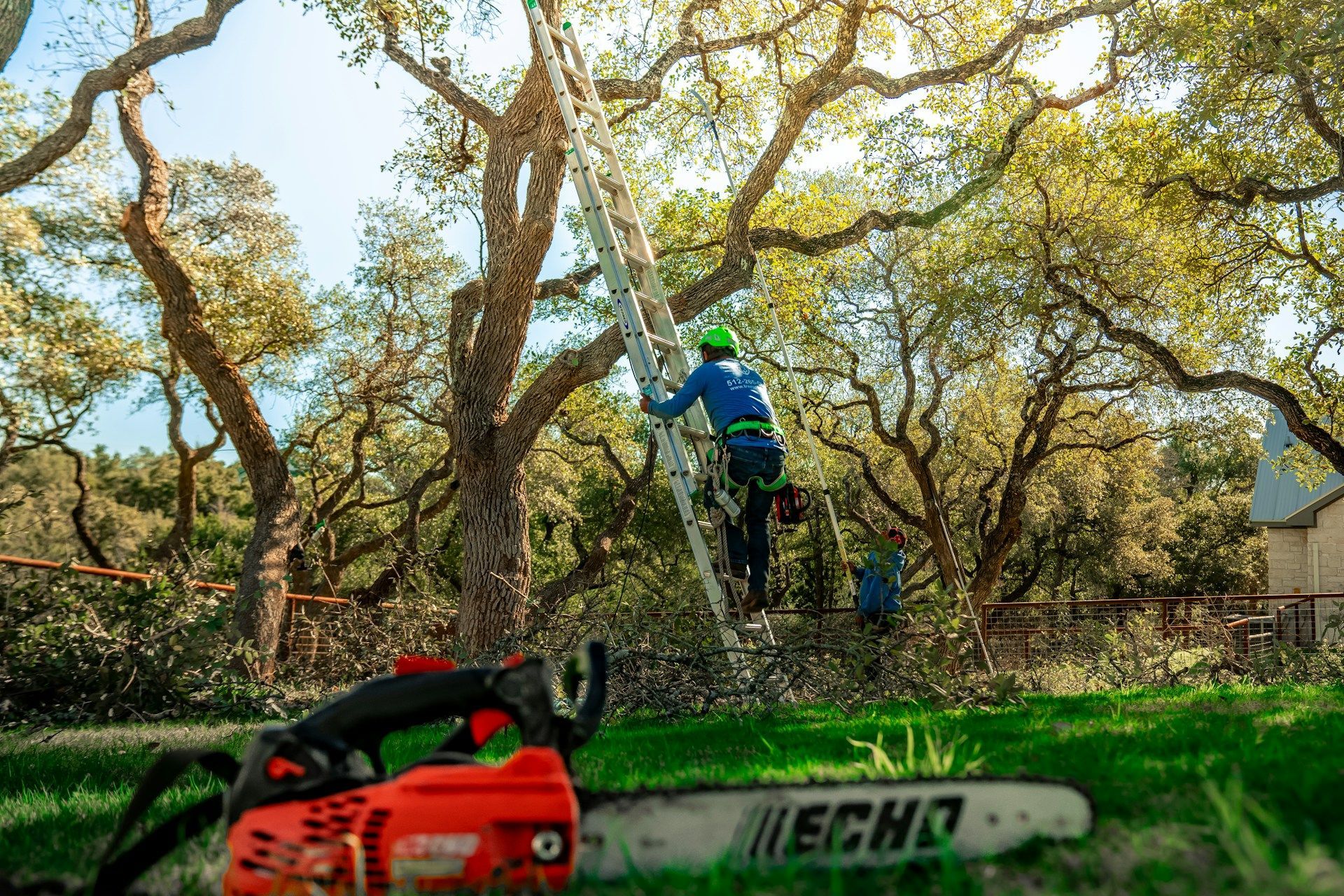
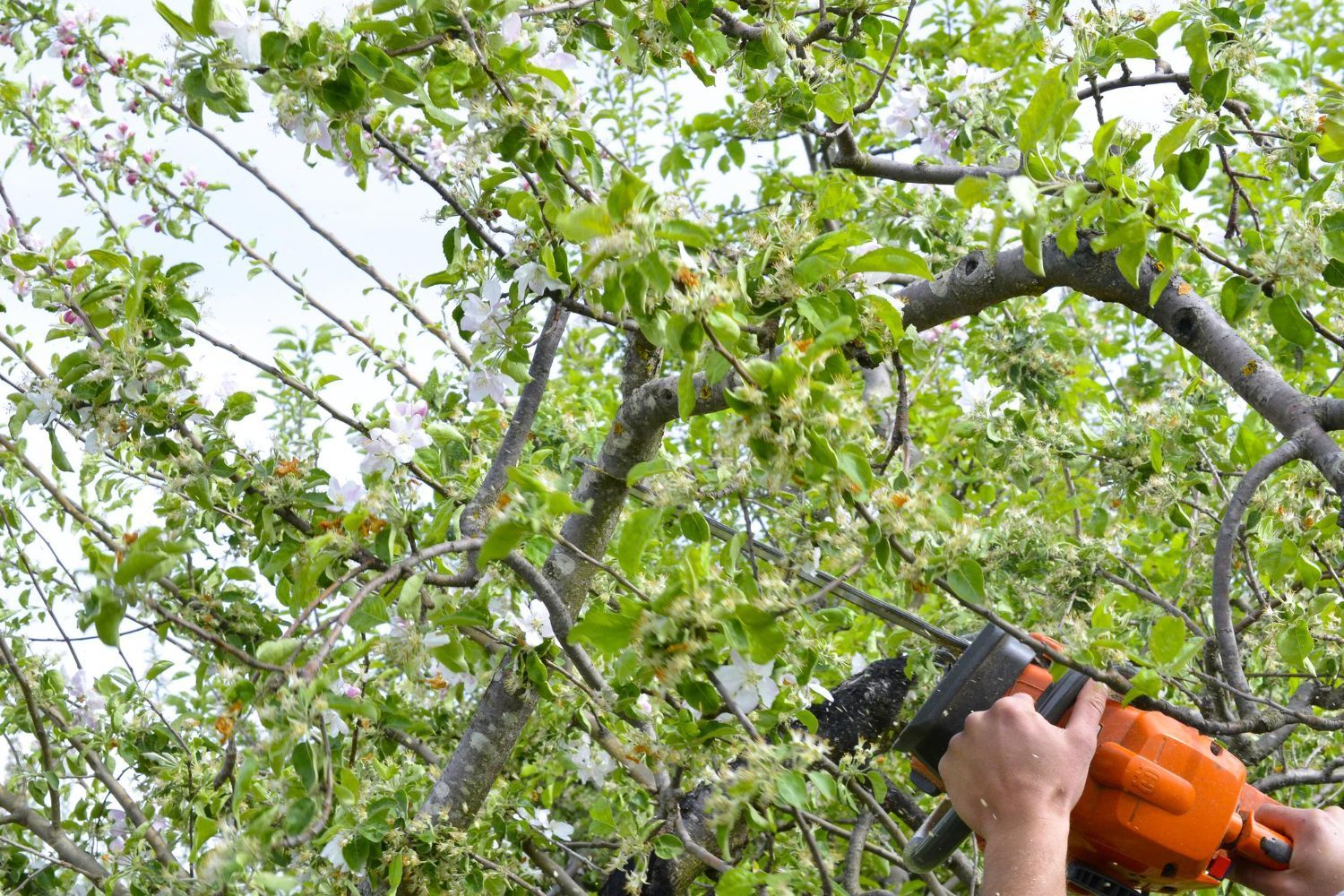
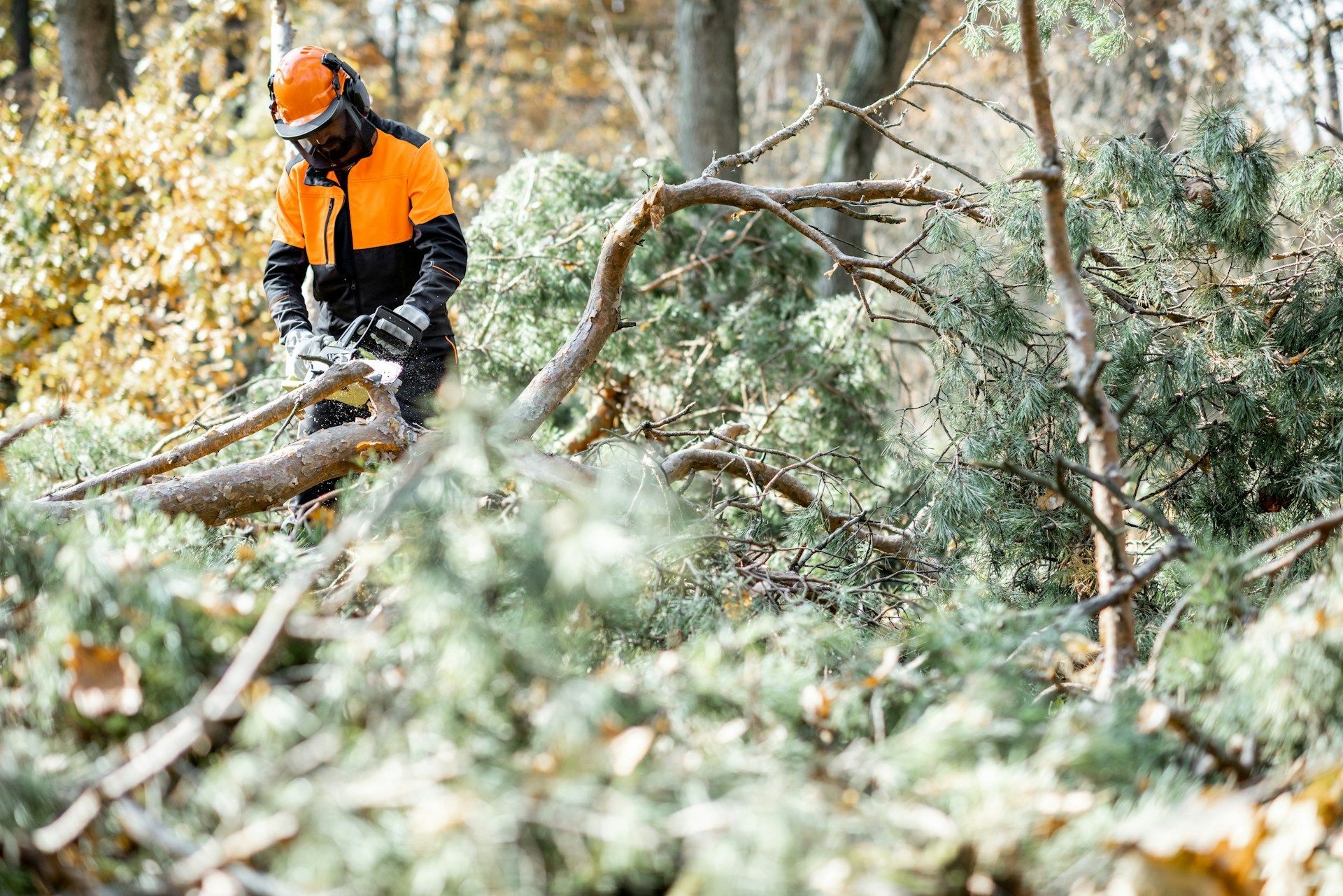
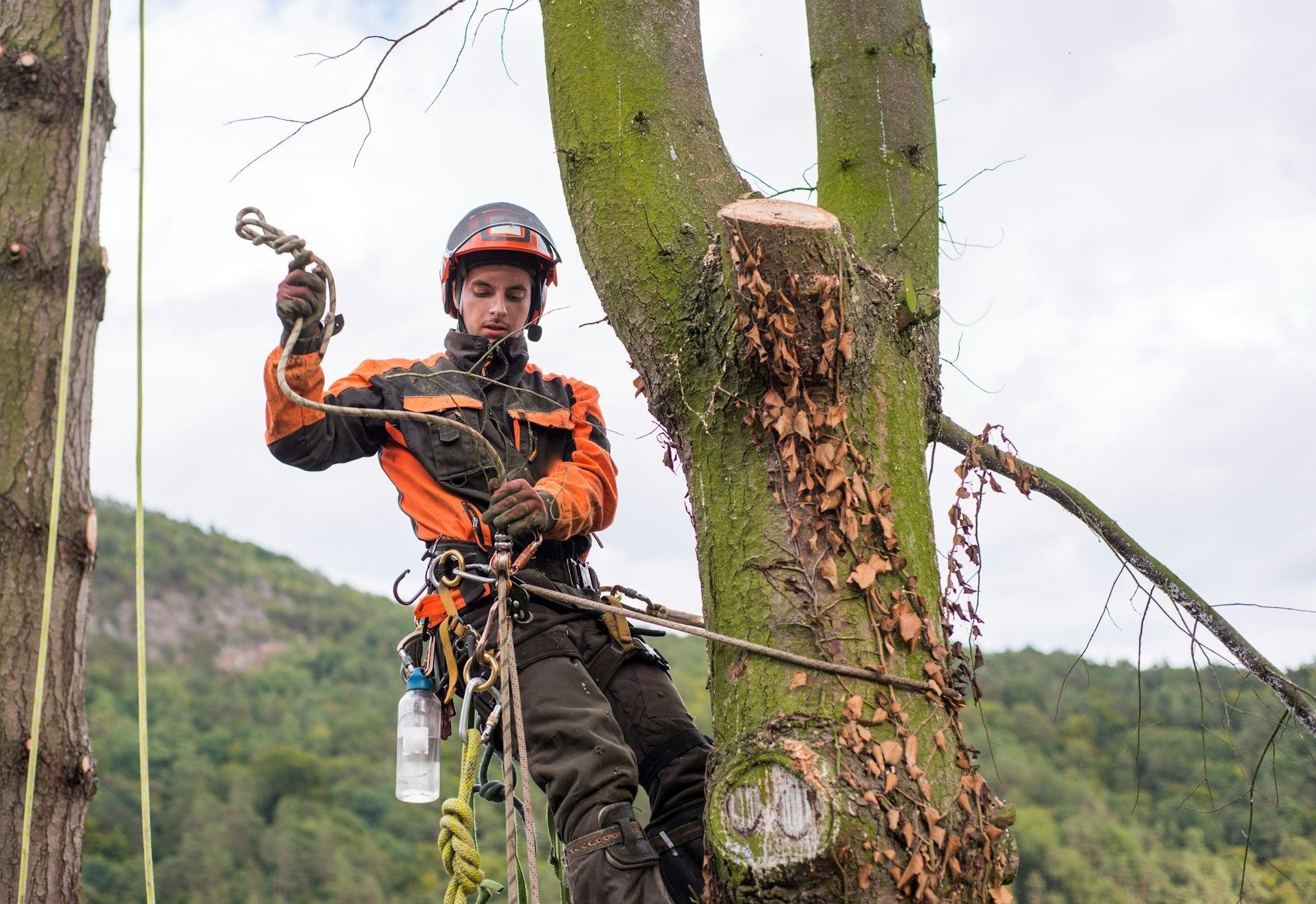
Once problem areas are spotted, trained professionals can remove unstable limbs and dead weight. Pruning is usually done to shape the tree and take pressure off certain branches, especially if they're hanging over important areas like parked cars or entryways. When done the right way, trimming promotes stronger growth and reduces the chance of limbs breaking off under snow or ice.
Removing dead wood is about more than cleanup. Weak branches can snap suddenly when winter weather hits, which often happens without warning. Even lightweight limbs can do real damage when they fall from high up. Getting ahead of this by cutting away the problem limbs now helps prevent accidents during peak winter storms.
One example of a common issue is when large limbs grow too close to outdoor lighting or block signage. These situations make it harder to see and can even interfere with security systems. Catching things like this during a winter prep inspection gives crews the chance to correct them while lowering risk moving into the colder weeks.
Protecting Trees From Cold And Snow
Once trees are trimmed and inspected, it's time to add extra layers of care to help them handle whatever the season brings. Winter doesn't just stress trees from above. It can affect the roots too, especially when temperatures stay low for a long stretch.
Here are a few methods to help trees stay strong during winter:
- Add mulch around the base of each tree, keeping it several inches away from the trunk. This helps insulate the roots from deep freezes.
- Use tree wraps or burlap on young or thin-barked trees. These act like a blanket, keeping the bark from cracking in extreme cold or sunscald.
- Shake or brush off snow buildup from branches during and after storms. Too much weight, especially if it turns to ice, can cause branches to split or tear off.
Some trees are more sensitive to cold than others, and commercial spaces often include decorative or non-native trees that need extra help. Wrapping those with fabric or protective sleeves can keep them from experiencing what's known as winter burn, where foliage turns brown and dies off on one side.
Don't forget that it's possible for snow and ice to build up slowly over a week or two. That gradual weight gain can sneak up on trees and cause unseen damage until it's too late. Regular maintenance during the early part of winter, like gently clearing snow build-up, might be all it takes to keep a healthy tree from becoming a hazard.
Monitoring And Maintenance
Once winter starts settling in, regular checkups become more important. Even if your trees looked fine after their fall trimming, it doesn't mean you're in the clear until spring. Trees can react to weather changes pretty quickly, especially if storms roll in back-to-back or you go from dry air to sleet overnight.
Inspections don't have to be complicated. A basic visual check once or twice a month can help spot new problems early. These might include cracks in branches from ice accumulation, leaning limbs from wind, or patches of decay that weren't obvious before. Walk the property after heavy snow, strong winds, or temperature dips. Take notes or photos when something looks off.
Make sure your crews or tree care provider examines:
- Large limbs that sit over parking areas or paths
- Signs of decay, hollows, or new pest activity like exit holes
- Trees that were previously wrapped or protected to ensure coverings are still in place
- Salt damage near sidewalks or road edges
Tree diseases don't take the winter off either. Cold sets in, but so do certain fungal and bacterial infections if moisture is trapped or snow piles up around roots for too long. Mulch that touches the trunk, for example, can hold water and create just the right conditions for mold to spread through bark and lower branches.
Maintenance can also include repositioning or removing snow from limbs. A broom with soft bristles is surprisingly useful for knocking off snow. Avoid shaking limbs or hitting them, especially if it's icy. This can do more harm than good.
Keeping maintenance ongoing instead of reacting only when something breaks adds another layer of safety and keeps repair costs lower. You'll also catch small issues before they require large-scale removals or create hazards for people walking around your property.
Emergency Tree Services And When They're Needed
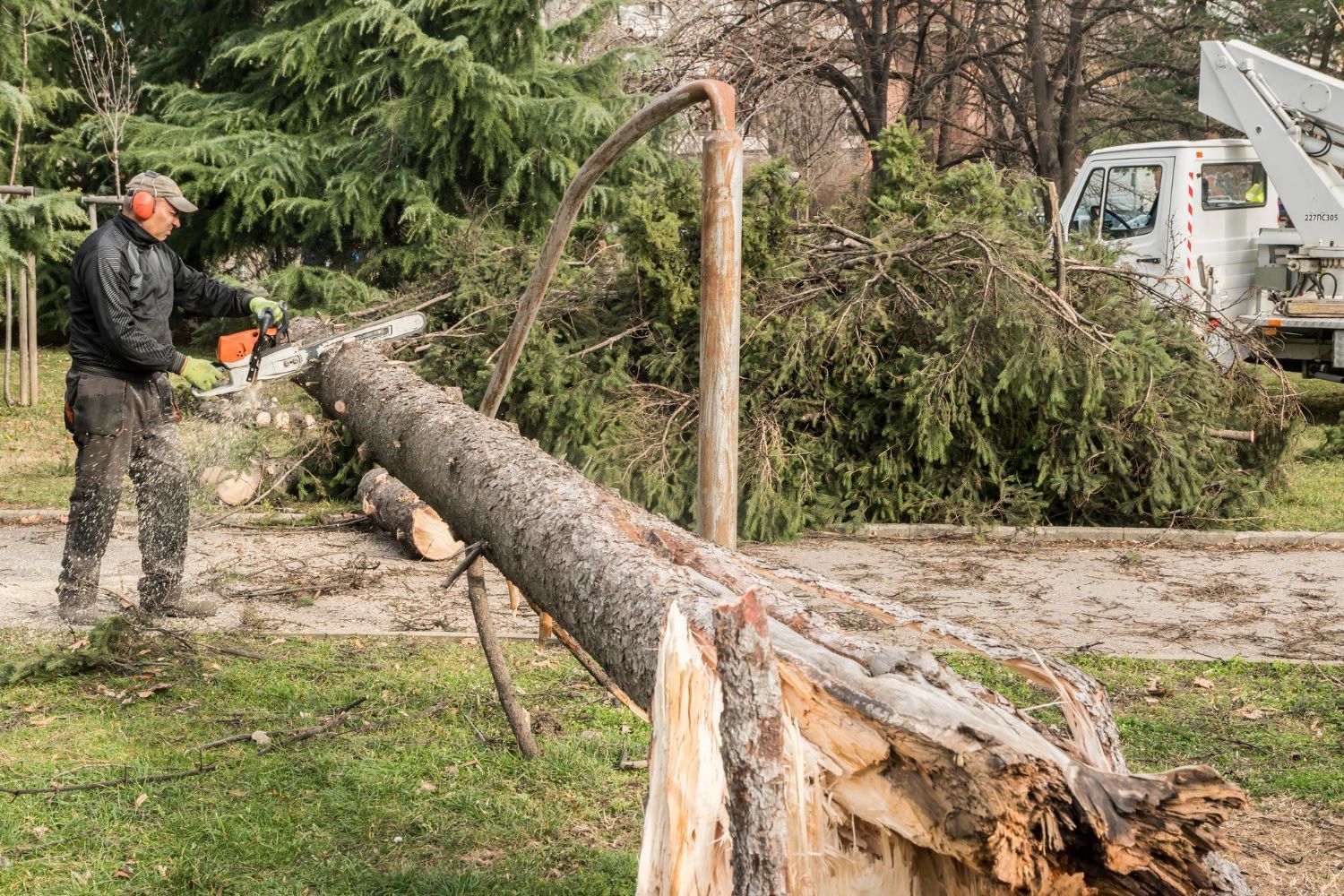
Even the best preparations can't prevent every winter accident. Strong gusts, falling ice, or unexpected freezes can create immediate dangers like hanging limbs, fallen trees, or broken branches blocking access points. That's when fast action matters.
Here's when emergency tree service should be called:
- A tree or large limb has fallen on a building, car, or outdoor structure
- A branch is hanging down and at risk of snapping
- Roots have lifted after flooding, snow melt, or ice expansion
- Emergency exits or main pathways are blocked by fallen limbs
Many commercial properties have higher foot traffic and stricter liability concerns than homes. If someone could get hurt or something could be damaged, you don't want to wait around to see what happens. Emergency crews can respond quickly, remove the problem area, and keep the rest of your trees intact if possible.
Having a tree care plan in place before winter hits helps you avoid calling around when it's already snowing and something's gone wrong. Timely tree removal or trimming is best done by pros with the gear to handle icy conditions, frozen soil, and confined spaces around buildings.
Letting someone familiar with your property handle your tree emergencies brings more consistency, too. It's easier for them to know which trees have had issues before and which areas might be prone to trouble again based on past service.
Stay Ready and Safe This Winter
Planning ahead, doing quick checks during the season, and dealing with bad weather impacts as they come up is the best way to avoid bigger problems for commercial tree care during winter. Too often, tree care is treated like a spring or summer task only, and winter becomes overlooked until something breaks.
But when trees are looked after properly through the colder months, they come into spring in better shape. No surprise removal jobs. No unexpected safety risks. Just healthier trees that frame your buildings, walkways, and signs the way they're supposed to.
Keep winter tree care consistent, and your commercial property stays safe, sharp-looking, and easy to manage no matter what the weather does. You don't have to overcomplicate it. Just stay ahead of what winter throws your way and call in help when it's bigger than a simple clean-up.
Ensure your commercial property remains inviting and safe all winter long with professional care. At Tree Experts, LLC, we specialize in keeping your outdoor spaces managed and attractive, despite the season’s challenges. Trust us to provide effective commercial tree care and safeguard your investment. Contact us today to learn how we can help maintain the health and beauty of your trees throughout the winter months.

Share On: