
Understanding Stump Grinding When Pipes Are Nearby
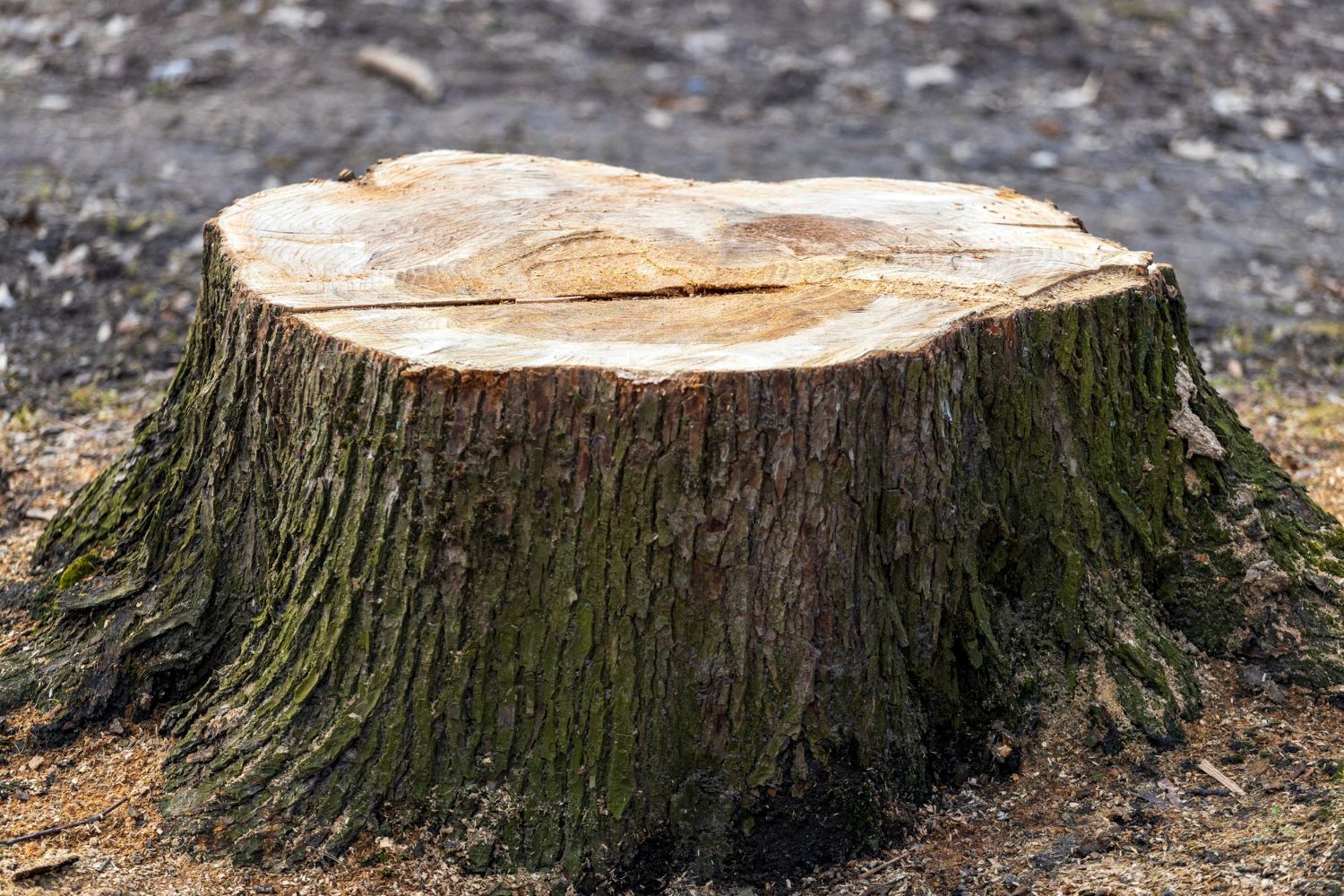
Tree stumps aren't just an eyesore. They can become a tripping hazard, attract pests, and make yard maintenance harder than it needs to be. That's why stump grinding is such a common step after tree removal. It helps flatten out the space so the yard looks cleaner and gets easier to manage. But when there are underground pipes nearby, things can get a bit tricky.
Tree roots sometimes grow right around water lines, sewer pipes, or irrigation tubing. If we don't take time to plan carefully, grinding up the stump could damage those systems buried below the surface. That's why knowing what's underground is just as important as what's above.
Why Underground Pipes Matter When Removing a Stump
Not all yards are the same, but most have at least a few pipes running underground. In many cases, these pipes are:
- Water lines that bring fresh water into the home
- Sewer or septic pipes that carry waste away
- Irrigation lines for lawns, gardens, or landscaping
Some of these pipes sit pretty close to the surface. Older pipes, especially those made from outdated materials or laid years ago, may not follow standard depths. In spots where the soil shifts or erodes, pipes can creep even closer to root zones without you noticing.
Over the years, tree roots grow steadily, often wrapping tightly around nearby pipes. If you're not careful, spinning grinder blades could crack or crush those pipes, and the repairs could include digging out large parts of your yard just to replace damaged connections.
How Professionals Check for Pipes Before Grinding
Before we start any kind of stump grinding, we take time to learn what's underground. That usually starts with a utility locating service. These tools and methods help us figure out the exact path of public utility lines, which is a big step toward working safely.
But not every pipe is marked by a utility company. That's why we also talk with property owners about any private systems they know about, like sprinkler lines or septic tanks. Some homes have older drainage set-ups that don't show up on recent maps. And when that's the case, it matters even more to double-check the area.
Tree Experts, LLC offers free estimates and can arrange for local utility marking before starting stump grinding, especially for residents of Los Lunas and other Valencia County communities. Skipping this step or making guesses about pipe placement can lead to avoidable damage. A good plan means grinding only where it's safe, staying clear of known pipe zones, and working with extra care near anything that could cause a problem if broken.
What Can Happen If Pipes Get Damaged
When a stump grinder hits a pipe, things go downhill fast. Some problems are clear right away, like:
- Flooding in the yard
- Backed-up drains in the house
- Broken sprinkler lines spraying all over the place
Other issues take longer to show up, like slow leaks or soft, soggy patches in the soil weeks after the job is done. Fixing damaged pipes often means additional work, from digging up lawn sections to bringing in another crew.
These setbacks take time and energy to fix. That's why planning carefully at the start can save a lot of frustration later. Taking those few extra steps up front often keeps the job much smoother from start to finish.
Safer Options When Pipes Are Too Close
Not every stump is safe to grind all the way down. When we find out there are pipes directly underneath, we pause to figure out the best way forward without causing new issues. Signs that a full grind might be risky include:
- Pipes mapped straight through the stump base
- Tree roots wrapped tightly around pipe connections
- Older utility lines that aren't well protected
In these cases, a few safer options might work better. Sometimes we use partial grinding to lower the stump without touching the deepest roots. Other times, we might trim surface roots by hand and leave the deeper portions alone. It depends on how close things are and how much space we have to work with.
The goal is the same in both cases: make the yard safer and cleaner without putting plumbing or irrigation systems at risk.
When You're Dealing with Tough Root Systems
Big trees leave behind big stumps, and their roots often run deep. These root systems are thick and twisted, and in many places, they've shifted over years of growing. Combine that with heavy clay or compacted soils, and removing them in late winter can be extra tough.
In places like New Mexico, late February weather sometimes means cooler mornings, drying winds, or even frozen spots near the surface. Those changes affect how soil handles digging and grinding. When roots have pushed down and sideways near pipe paths, it's not always safe to grind them the usual way.
During difficult jobs like this, we step back and look at the big picture. If grinding isn't the best option, we adjust the plan and take out only what we can safely reach. Even cutting a large stump halfway down can be a better choice when fragile pipes are close by.
When grinding options are limited by tough roots and cold weather, sometimes combining several safe removal strategies is best. This might include saw cuts for surface wood, careful hand removal for exposed roots, or simply lowering the stump enough to keep the lawn flat. The work may take longer during cooler days, but the results ultimately protect both pipes and property from unexpected damage.
A Smarter Way to Clear Stumps Without Trouble
When a tree comes down, it's normal to want the stump gone too. But rushing through the job without slowing down for what's happening underground rarely works out. That's why careful planning makes the difference.
Tree Experts, LLC has provided stump grinding, tree removal, and custom planning for challenging sites across Valencia County since 1998. With the right approach, we don't just clear the surface, we protect what's below. Knowing where pipes run, checking their depth, and choosing better techniques when needed all help avoid costly damage. Stump grinding solves a common yard problem, but when pipes are nearby, it's the planning that really keeps everything working the way it should.
Taking your time during the planning phase guarantees a better outcome. If anything is uncertain about pipe location or root spread, waiting for a dry day or bringing in extra help for hand digging is often worth it. It's always better to check twice than to risk a bigger repair job down the road. Every property layout is a little different, so adapting the grinding strategy for each job is one of the best ways to avoid surprise setbacks.
If you're concerned about the complexities of managing stubborn roots near delicate underground utilities, consider the specialized approach of Tree Experts, LLC. We prioritize careful planning and precision with our
stump grinding services, ensuring your yard stays safe and intact. Contact us today to discuss how we can help protect both the beauty and functionality of your property.

Share On: