
Tree Trimming Myths That Might Surprise You
Tree trimming is something a lot of people think they've got figured out. Cut a few branches, shape things up, and you're done, right? Not exactly. We've heard plenty of common ideas about trimming that sound right at first but don't really hold up. Some can even do more harm than good.
As we move into the warmer months and see more growth popping up, it's a good time to step back and rethink what's really helpful when caring for trees. Timing, technique, and knowing what to look for all matter. Below, we're breaking down some of the most common tree trimming myths we run into, so your trees can stay safer, healthier, and stronger year-round.
Myth: You Should Only Trim Trees in the Winter
Some people believe trimming has to wait until the cold season hits. And truthfully, winter can be a good time for certain tree types. But trimming isn't locked into one part of the calendar. Done the right way, it can be both safe and smart when the weather warms up too.
- Many trees respond well to summer trimming, especially after the first big flush of spring growth.
- Pruning during hot months can remove limbs weighed down by fast growth or fix weak spots before storm season kicks in.
- Growth patterns can vary depending on the type of tree, so the timing really depends on what you're working with.
If you think trimming is just a cold-weather job, it helps to know why summer can be just as important. With some types of trees, waiting too long can mean you miss the best time to help them grow strong. For others, taking off a few limbs after storms or quick growth in spring makes a big difference. Done with care, summer trimming helps avoid broken limbs and keeps trees looking balanced. It's more about knowing how and when to cut, not just what the calendar says.
Myth: a Tree That Looks Healthy Doesn't Need Trimming
We've seen it plenty of times, trees with full green leaves and tall, strong trunks. Everything looks fine from a distance, so it must be fine, right? The truth is, healthy-looking trees can still have problems hiding in their branches.
- Limbs may cross and rub against each other, which can create weak spots over time.
- Branches growing in the wrong direction can press against buildings or hang too low without anyone noticing.
- Regular trimming helps remove small issues before they grow into big ones.
Just because a tree looks healthy doesn't mean it's free from trouble. Sometimes, the issues are hidden where you can't see them at first glance. A thick patch of leaves can hide weak branches or spots where limbs cross and rub. When these problems are missed, trees are more likely to lose branches during storms, which can cause property damage. Skipping tree trimming just because everything "looks good" could lead to more damage down the road. A tree's structure matters just as much as how leafy or green it appears.
Think of tree trimming as a way to keep problems from getting out of hand. It's not only about the look of the tree but also about the health and shape underneath all those leaves. If you wait for a branch to fall or a problem to show up, you're giving hidden issues time to get worse. That's why staying on top of regular trims, even if a tree looks fine, keeps it stronger and safer.
Myth: Topping Trees Helps Control Size
One of the most common mistakes we run into is topping, where people cut the top off a tree to make it shorter. While it might seem like a quick fix to control height, this move usually backfires.
- Trees often respond to topping with fast, weak growth that shoots straight up.
- That new growth doesn't always have strong attachments, leading to limbs that are more likely to fall.
- Cutting that much off the top opens the tree to disease, stress, and sun damage.
It's easy to see why topping feels like a solution, especially if you're worried about a tree getting too close to a roof or power line. But when you cut off the top, the tree doesn't just stop growing, it tries to recover fast by sending out lots of thin branches that aren't strong. These shoots often break in wind or from their own weight over time, leaving more mess and risk behind.
There are better ways to manage how big a tree gets. Thinning out certain branches or cutting back to a natural fork is safer and more effective. A tree trimmed with care keeps its strength and its shape, letting it live longer and handle tough weather. When you want to lower risk, a careful plan does much more than a quick chop, and the tree looks better for years afterward.
It's also important to remember that extreme trimming doesn't just harm the tree, but it can affect everything around it. Sunlight heats up trunks that aren't used to it, and pests can find their way in through large, fresh cuts. Taking time to do it the right way avoids all these hidden problems.
Myth: Anyone with a Saw Can Trim Trees
Tree trimming might look easy, but it's not just about cutting branches off at random. Doing it without the right plan can lead to all kinds of issues, and not just for the tree.
- Trimming the wrong way can open wounds that attract decay and pests.
- Cutting near power lines or over a roof puts people and property at risk.
- Without understanding branch structure or tree health, you could take off more than you should or leave behind damage you can't see.
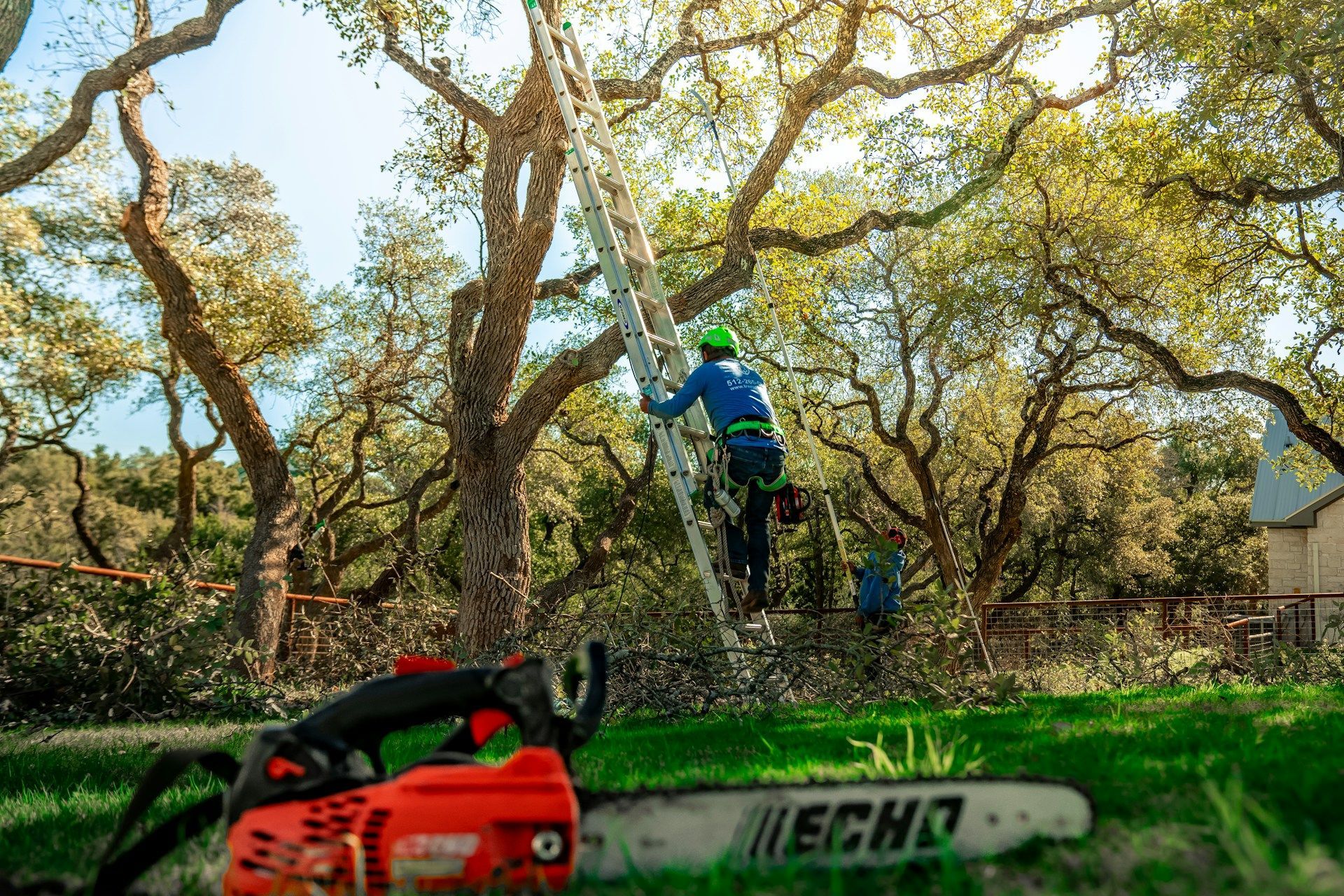
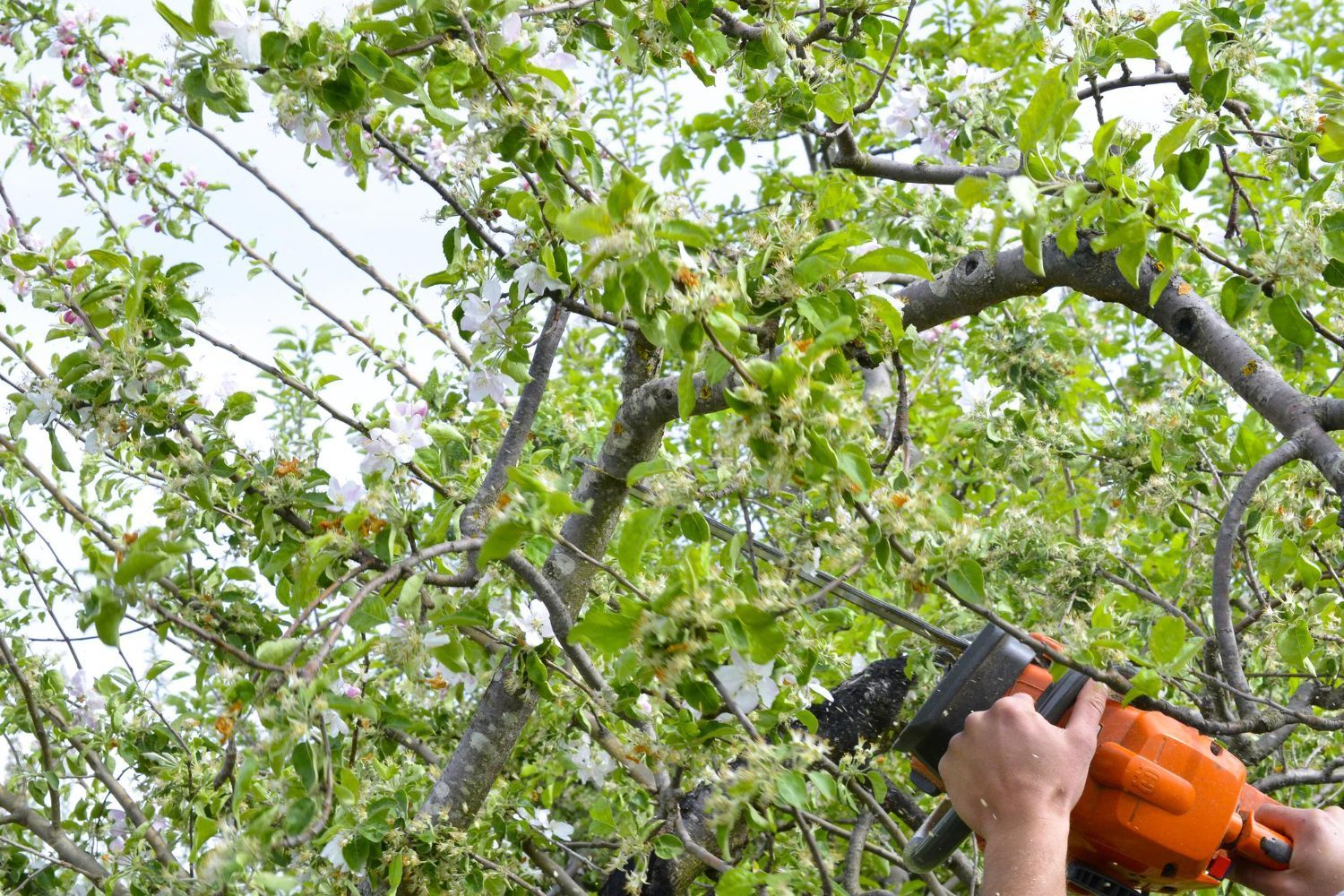
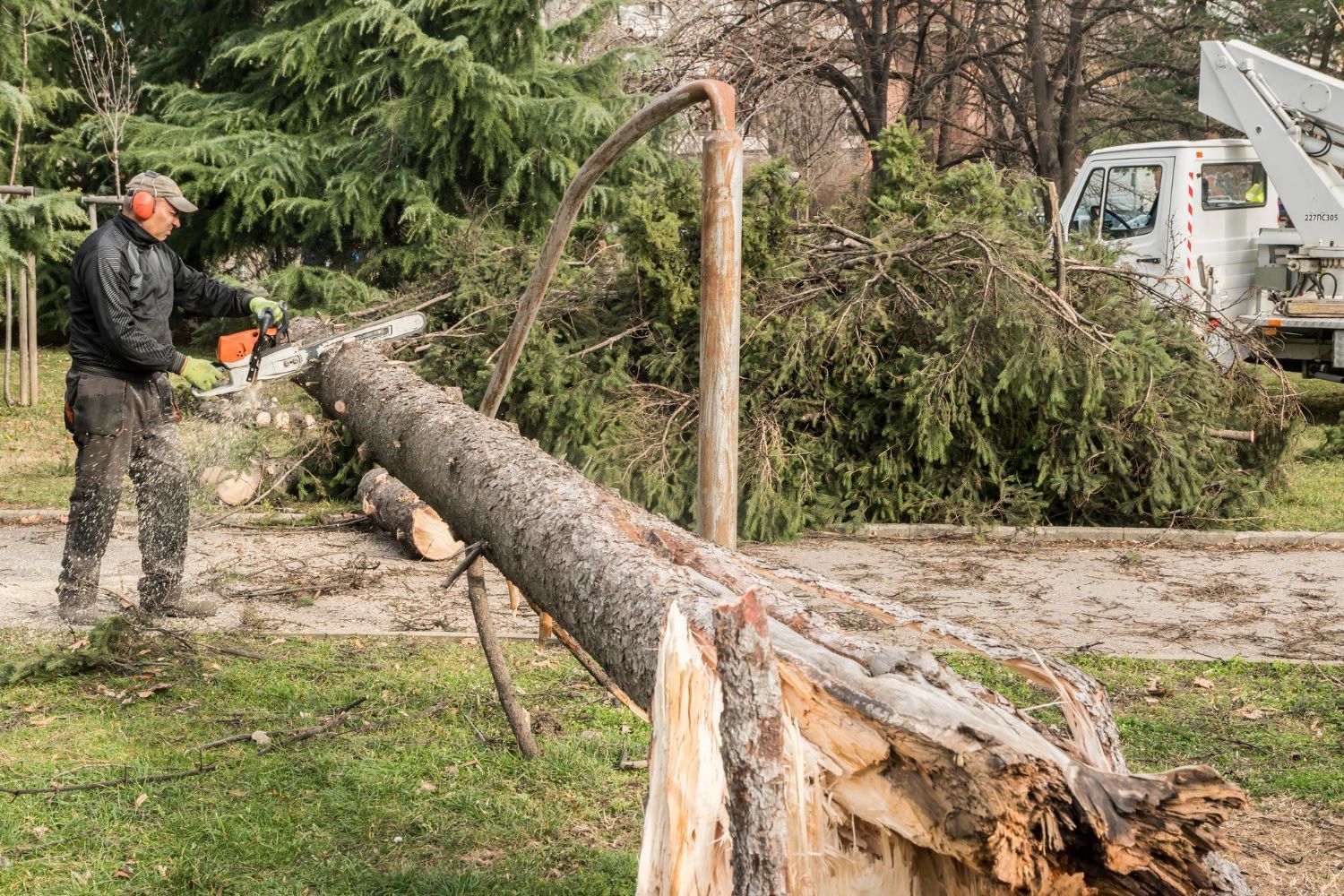
Tree trimming is really about having a plan and understanding what each tree needs. It's not just cutting for the sake of cutting. A big part of good trimming is about safety, both for the person doing the work and for everything nearby. Sometimes branches are heavier than they look, or they hang over places that are tough to reach. Without the right plan or equipment, simple jobs can quickly turn risky.
There's also the issue of what you can't see, like how a limb is attached on the inside or whether bugs or rot are already at work. If a branch comes off wrong or a cut is made in the wrong spot, the tree could have trouble healing, making it even weaker. That's why trimming is about knowing where to cut, not just how. It takes a trained eye to protect both the tree and everything around it.
Having a steady hand and the right tools matters, but so does experience. You want each cut to give the tree its best chance to stay healthy and strong. Mistakes here can take years to fix, or sometimes can't be fixed at all. Rather than rushing the job, careful planning keeps trees healthy while avoiding accidents and surprises.
Seeing Trees the Right Way
Tree care isn't one-size-fits-all. What works for one yard or tree might not make sense for another. Skipping a trim or making the wrong kind of cut can cause more damage than people expect. That's why we like to help clear up the confusion.
By putting these tree trimming myths to rest, it's easier to focus on what actually helps trees thrive. Whether the goal is safety, shape, or long-term strength, a little knowledge goes a long way. Trees do best when we pay attention to their structure and give them the right kind of care, not just what seems easy or quick.
If you walk outside and take a look at your trees, notice the way branches reach and cross or how some seem to dip lower each year. Little changes can add up over time. Keeping an eye out for these details helps you spot issues before they get worse. Building good tree habits means watching for signs like cracked limbs, tight angles, or rough patches in the trunk. These things can all be solved with regular care and smart cuts.
Ensure your trees receive the care they need to stay healthy and beautiful through every season. At Tree Experts, LLC, we specialize in professional
tree trimming that enhances both safety and aesthetics. Let our experienced team tailor a trimming solution that protects and nurtures your trees. Reach out to us today and see how we can contribute to your landscape’s vitality and elegance.

Share On: