
What Stump Grinding Actually Does to Your Soil
After a tree comes down, the leftover stump can get in the way. That's why many people choose stump grinding. It's a simple way to get rid of what's left behind, but it does more than just make a yard look better. It changes the soil underneath and around the stump.
Understanding what stump grinding does to the ground can help you know what to expect. Whether you're cleaning up your yard or planning to plant something new, it's helpful to know how this process works and how it affects the space moving forward.
What Happens During Stump Grinding
Stump grinding takes the thick base of a tree and breaks it down into tiny bits. It's not the same as digging the whole thing out. Instead, we use a machine to grind the stump in place, turning it into a pile of wood chips.
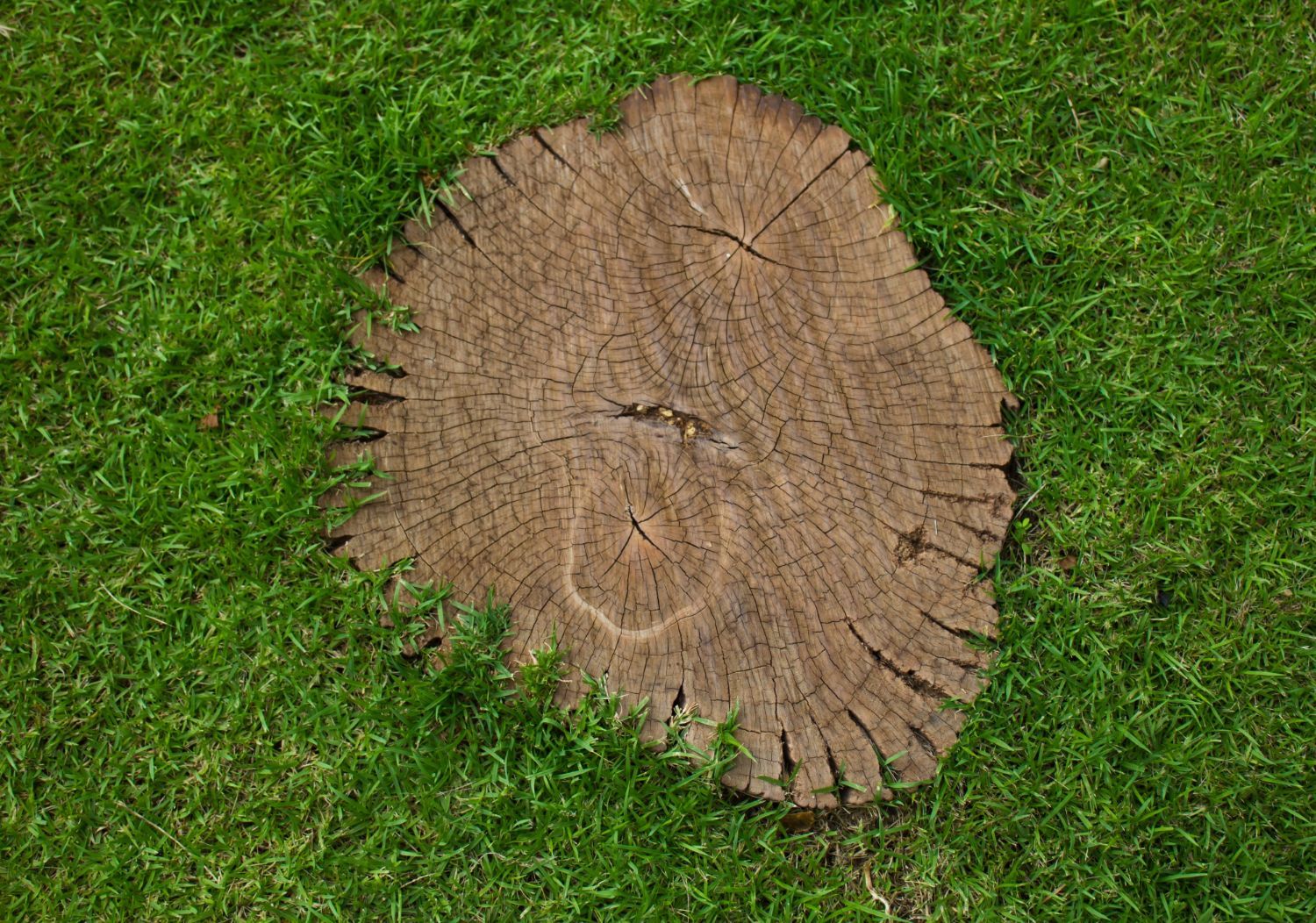
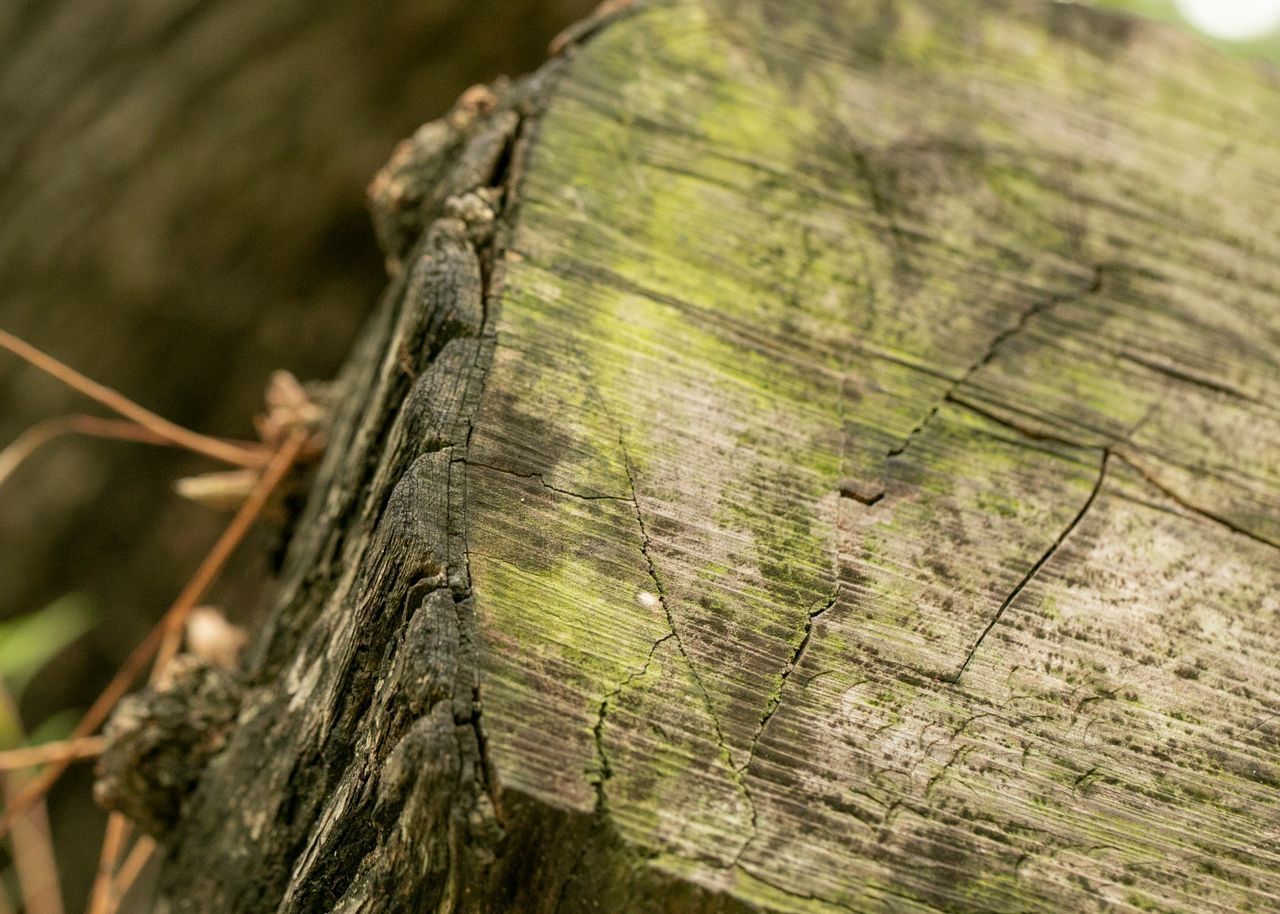
Most of the time, we grind the stump down a few inches below the surface. This helps level out the ground while still leaving the lower roots underground. We don't usually remove every single root, that would take major digging, but we do clear out the main part the eye can see.
Once the grinding is done, what's left behind is a mix of soil, ground-up wood, and sometimes small pieces of bark or roots. Some homeowners choose to keep the wood chips as mulch, while others choose to haul it away.
Tree Experts, LLC provides stump grinding and tree removal with fast service and careful site preparation. Our equipment is designed to safely handle both small and large stumps, even those next to hardscape or foundation work.
Changes in Soil After the Stump is Gone
After a stump has been ground, the soil around that space changes. One of the main reasons is that the wood chips get mixed into the dirt. That blend may seem light and natural, but it can make the soil less firm and mess with how water moves through the ground.
Here's what usually happens:
- The sawdust and chips can slow down water drainage, especially if the soil becomes packed tightly.
- Because wood materials pull nitrogen from soil as they break down, new plants may not get what they need right away.
- The texture of the ground may feel looser or uneven for a while, depending on how deep the stump was ground.
That's why right after stump grinding, the area might feel different to walk on or harder to grow things in. It doesn't stay that way forever, but it does take some time to settle.
When the ground is covered in wood chips, it may look tidy, but things below the surface are changing. As the wood breaks down, it uses up some of the soil's nutrients, which means grass or flowers may not grow as quickly as before. Sometimes the area holds extra water or feels soft underfoot because the air pockets created by the grinding get filled over months by rain and shifting dirt.
How Tree Roots and Old Stumps Affect New Growth
Even though the top part of the stump is gone, the rest of the tree isn't always completely out of the picture. Roots can remain underground for years, slowly breaking down. These leftover roots can affect what happens next in that spot.
- Some trees may send up new shoots from the roots, even without the stump.
- Leftover roots can crowd out space or hold onto fungus or bacteria that make it harder for new plants to thrive.
- The space once taken up by the stump can stay dry or patchy, creating an uneven base for planting.
These leftover roots are a normal part of the process, as a large tree's root system stretches far, often spreading wider than the canopy ever did. While most roots simply rot away, some may produce shoots or "suckers" that show up months later. If you notice these, it's just the tree's way of trying to regrow. Over time, as roots rot, they leave gaps, which might make the ground settle unevenly. This is another reason to keep an eye on the area before putting in new plants.
This is why new trees or plants may need a different location or more support if they're going into a recently ground site. Planning ahead can help avoid repeated planting issues in the same area.
Choosing what to put in your yard after stump grinding depends on these factors. Grass usually grows back well with patience, but new trees often do better a few feet away from the old spot. Giving the underground time to settle helps plants get a better start.
Ways to Help Soil Bounce Back After Stump Grinding
Once the stump is removed, the soil needs a little help to get strong again. The good news is that with a few steady steps, the ground can become healthy enough for future planting.
- Fill in low or soft spots with a mix of fresh topsoil and compost. This makes the surface smoother and brings nutrients back into the dirt.
- Give the area time to sit before planting anything tall or heavy. The ground often sinks as the remaining roots break down.
- Water and check the spot regularly during the first few months as summer heat can make dry patches worse.
Helping your yard recover isn't hard, but it does take a little bit of regular care. After spreading topsoil, raking the area flat each week helps keep the yard looking neat. Some people lightly press the soil with their feet or a tool to speed up settling. If you see weeds popping up in the fresh chips, it's okay to pull them by hand or add another thin layer of topsoil to block sunlight.
Patience plays a big role here. Trying to do too much too fast, like planting a new tree right in the same place, can lead to poor results. Giving the ground a season or two to recover often makes a big difference.
Tree Experts, LLC offers free estimates and seasonal advice on how to restore yards after stump grinding in the Los Lunas area. We help homeowners choose the best fill and amendments for lasting, healthy regrowth.
Taking Care of the Ground Long After the Stump is Gone
Stump grinding clears space, but the work doesn't end there. Keeping soil healthy helps the whole yard function better over time.
There may still be changes under the surface as roots decay or soil shifts. Spending a little time each season checking for dips, weeds, or worn-down patches keeps the area in better shape.
During this time, you might see some areas become bumpy, while others stay low. Don't worry, this is normal as the ground finds its new shape. For the first year, adding a bit of soil if you find holes or uneven spots will make it easier to mow and care for your grass. Watering during dry weeks helps the yard adjust, especially through hot New Mexico summers.
With the right care, a space that once had a rotting stump can turn into solid, healthy ground that's ready for fresh plants, new grass, or whatever else the yard may need later on. All it takes is some steady attention and a bit of patience through those first few warm months.
The area won't seem perfect at first, but slow, gentle care helps speed up recovery. If you notice problems sticking around, a little more soil or compost can help. By the next growing season, most yards bounce back and are ready for almost anything you want to plant.
Soil Support After Every Stump Removal
If you're unsure where to begin, we're here to help. At Tree Experts, LLC, we know how stump grinding affects your soil and how to keep your yard strong for seasons to come.
Experience the benefits of professional
stump grinding with Tree Experts, LLC, and watch your landscape transform. Our expert team not only removes the obtrusive stumps but also implements soil recovery techniques that prepare your yard for vibrant growth. Ensure a smooth transition from removal to regrowth and maintain a yard that's ready for any new planting projects. Reach out to Tree Experts, LLC today to enhance the health and beauty of your outdoor space.

Share On: