
Smart Questions to Ask Before Booking a Tree Removal
Trees can add a lot to a yard, but when they get too big, too weak, or too close to structures, taking them down might be the safest option. Tree removal isn't something most people deal with often, so it's easy to feel uncertain when it comes up. Knowing what to ask before anything gets started can make the whole process smoother and safer.
As we get into the hottest stretch of the year, more people start thinking about whether a tree in their yard has become a problem. Late summer often brings strong winds, sudden storms, and dry ground, things that can put already stressed trees at risk. If you're considering tree removal this time of year, here are the questions that can help you make the right call.
What's Really Wrong With the Tree?
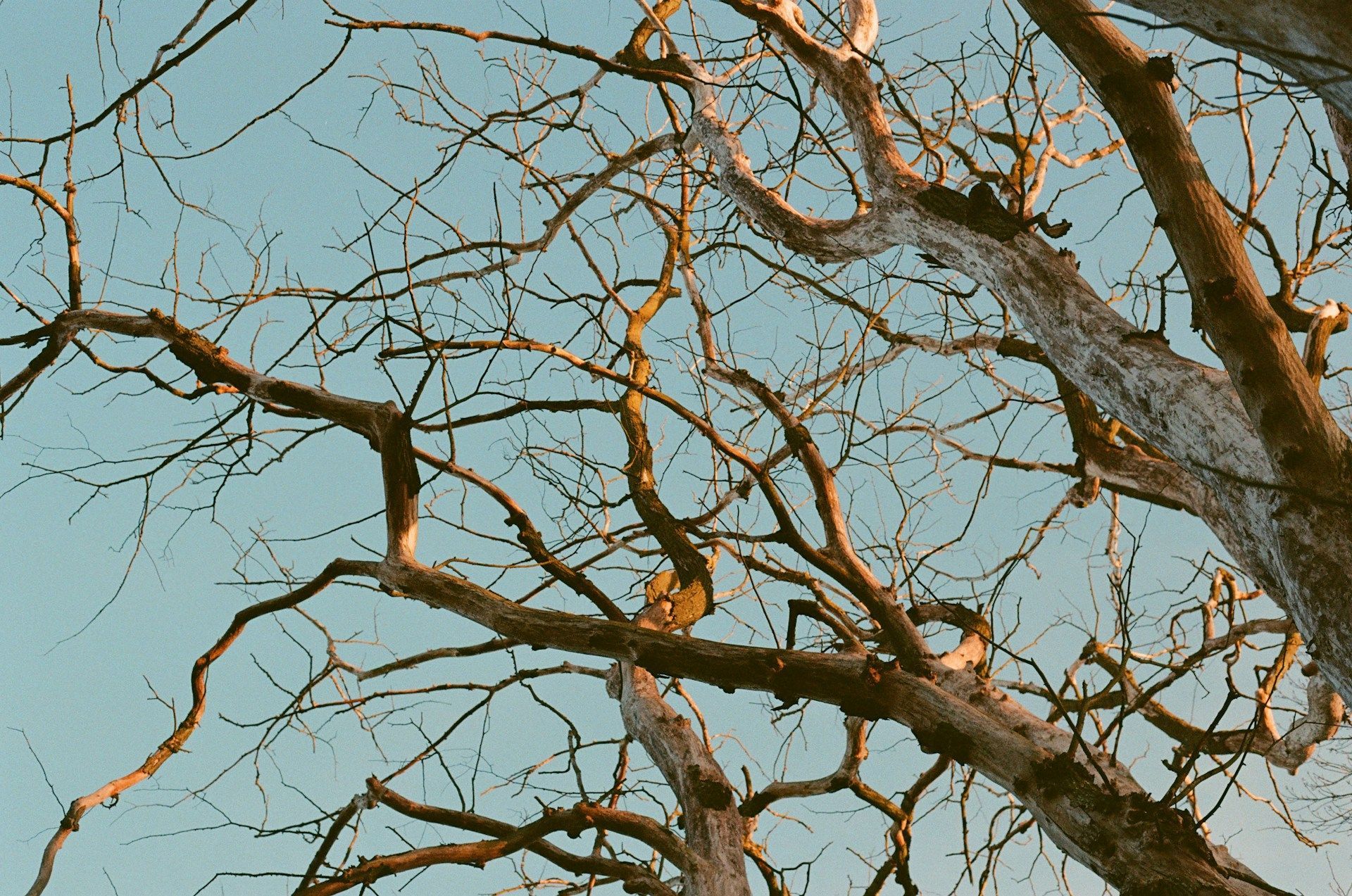
The first thing we like to figure out is whether the tree really needs to come down or if there might be another solution. Sometimes a tree looks rough but could bounce back with a little care. Other times, it's already past that point.
- Ask if the tree is showing signs of illness or decay
- Look for warning signs like major leaning, exposed roots, or hollow sounds when tapping the trunk
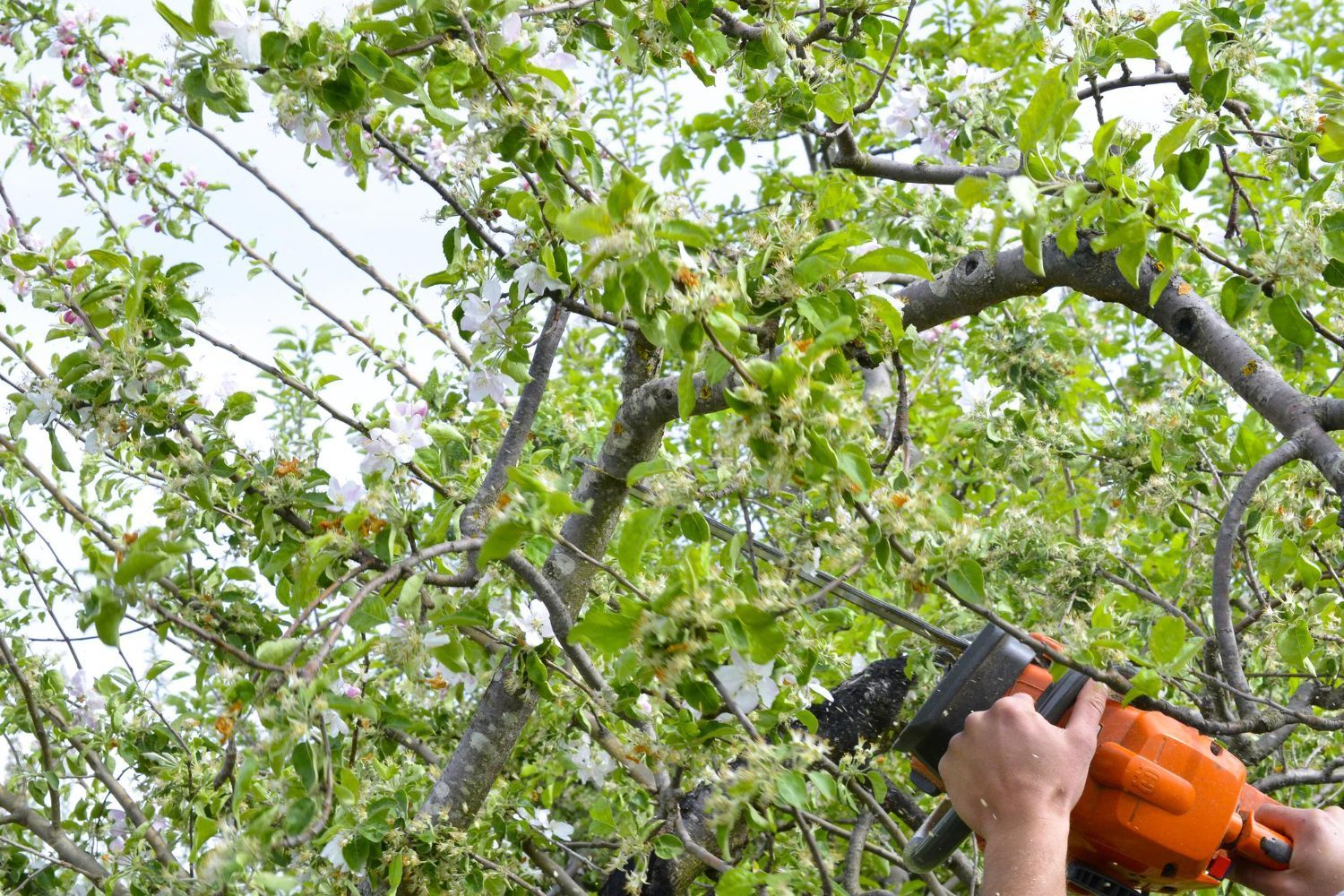
- Talk about whether trimming might be enough to solve the issue
If a tree is growing too close to a structure or leaning in a bad direction, it may be safer to remove it now instead of waiting. Trees dropping limbs or shedding bark in the middle of summer may already be under stress from heat or drought. That's something a professional will want to look at right away.
For trees that appear damaged but aren't sure if removal is necessary, getting a second opinion can help give you peace of mind. Sometimes a bit of targeted trimming or feeding brings a tree back to health, especially if the root system is still strong. If rot, pest damage, or major structural issues are present, removal might really be the best course before those problems spread to other trees.
Is This the Right Time of Year to Remove It?
August brings a lot of weather changes in places like New Mexico. Late afternoon storms, strong winds, and the lingering summer heat all play a role in how safe, or unsafe, a tree might be in your yard.
- Ask how heat and dry weather might affect the work
- Find out why late summer sees more cleanup calls after storm damage
- Check whether removing a tree now could prevent future problems in fall
This time of year is dry enough to work with power tools on solid ground, but close enough to cooler weather that yard recovery can still happen before it gets too cold. Waiting too long might lead to storm damage or crowded schedules, which can delay work that should be done sooner.
If you notice cracks in the soil or roots exposed from dried-out ground, it may be a sign the tree is struggling with late summer stress. Hot and dry spells can weaken trees even further, especially if they grew fast during rainy spring months. By scheduling tree removal before the early fall rush, you have a better chance of getting the timing right for both safety and yard recovery.
What Happens With the Stump and Roots?
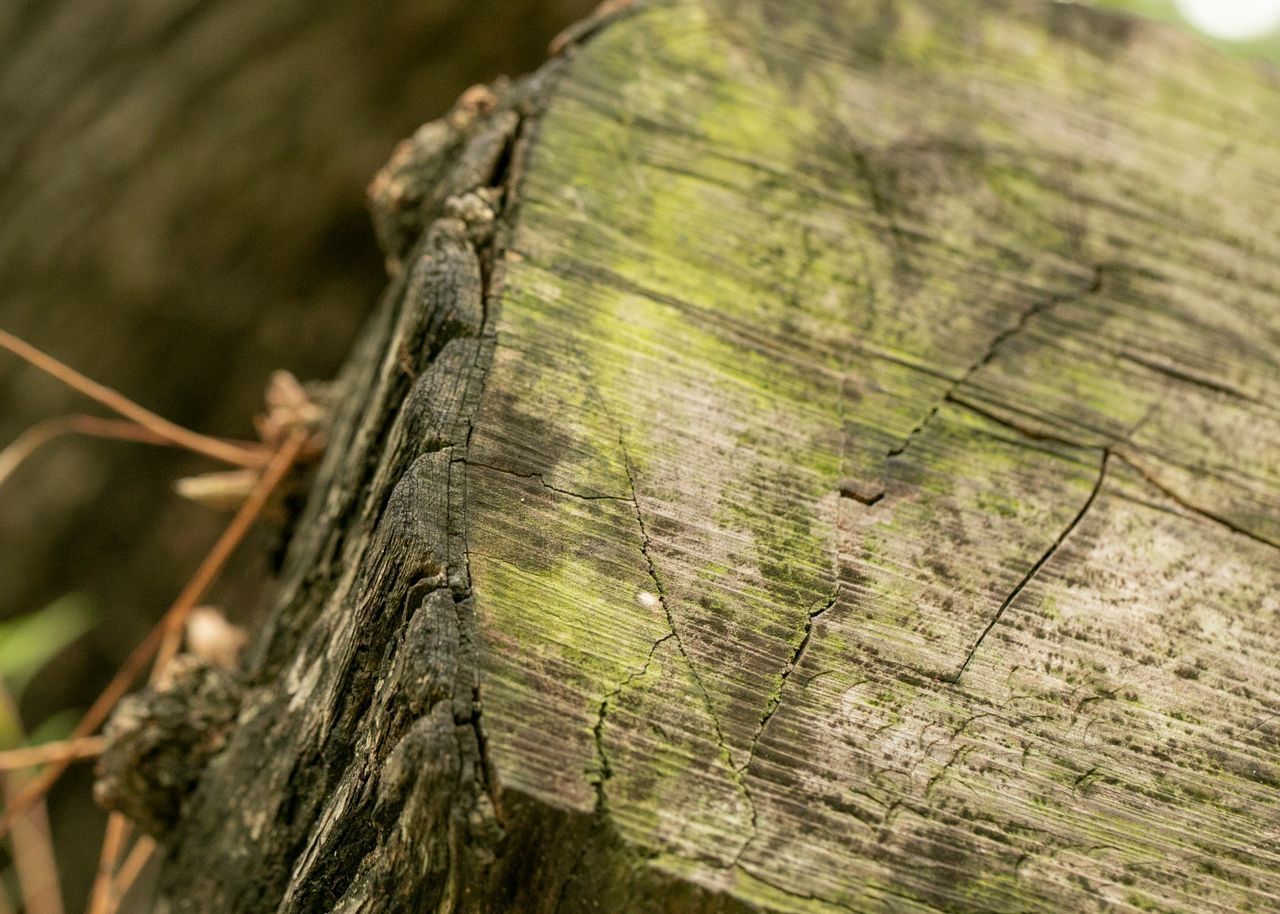
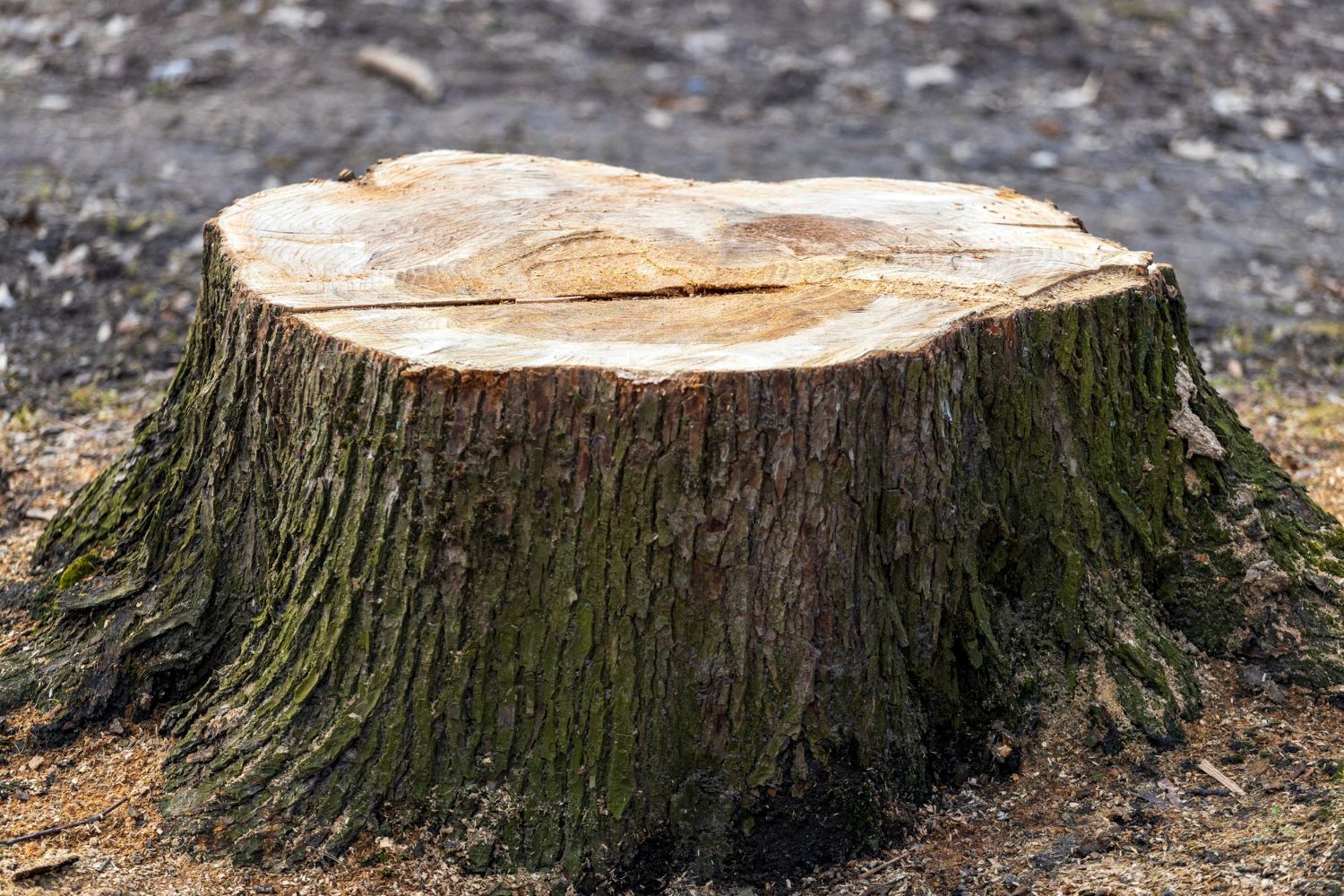
Removing the top of the tree is only part of the process. What happens with the base, the stump, and the root system matters just as much. It's good to ask how that part of the job will be handled and what choices you have.
- Will the stump be pulled or ground down in place?
- Could leftover roots damage pipes, sidewalks, or foundations?
- What will cleanup look like once the work is finished?
Some root systems are small and stay put, while others continue to grow or shift even after the tree is gone. If roots push up pavement or crowd other trees, it's better to deal with them while everything is open and accessible.
Stump grinding is usually offered to level the remains with the yard, and it often allows grass or new landscaping to take root quicker. In some cases, though, large or old root systems may take extra time to fully break down. Ask about how long it takes for the site to settle after removal so you can plan any follow-up work or planting. Understanding all these parts helps avoid surprises once the visible tree is gone.
Will This Affect Other Trees or My Property?
Taking down a tree isn't just about what's on the ground, it's also about what's nearby. We always want to know what else might be in the drop zone and how to work around it safely.
- Are fences, sheds, patios, or other trees close to the one being removed?
- Will there be trucks or equipment coming through the yard?
- Do any other trees nearby need to be checked afterward?
Once a large tree is gone, the shade and space it left behind can change how other trees or plants grow. It's worth asking if anything nearby could be impacted now or later.
Grass and smaller plants that were shaded before might suddenly get much more sun, which could change how they grow. Sometimes nearby trees can use extra water or protection after the big one is gone, especially if their roots were tangled together underground. It's smart to have a plan for reseeding or mulching newly bare ground so your yard stays healthy into the next season.
Do They Have the Right Tools and Know-How?
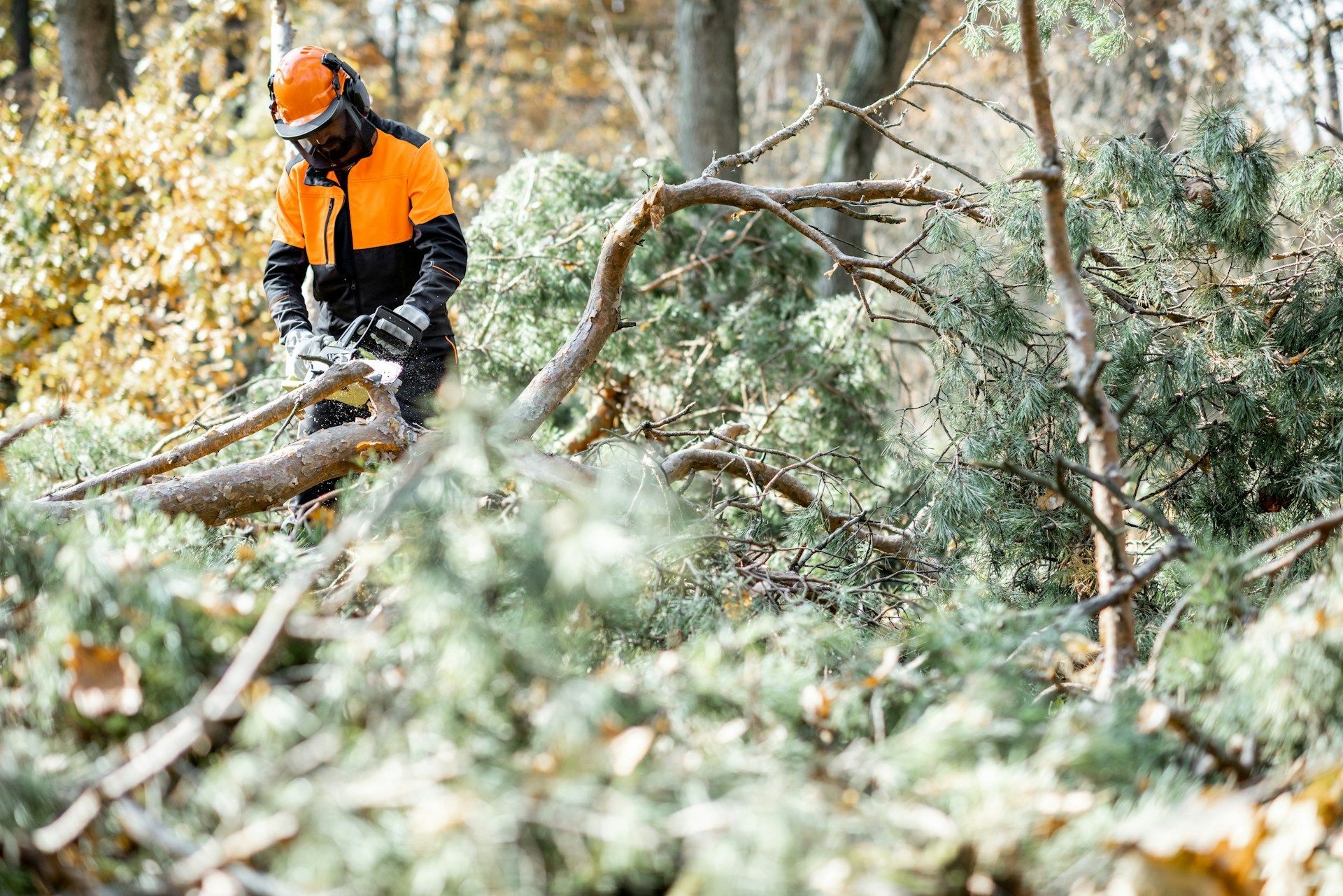
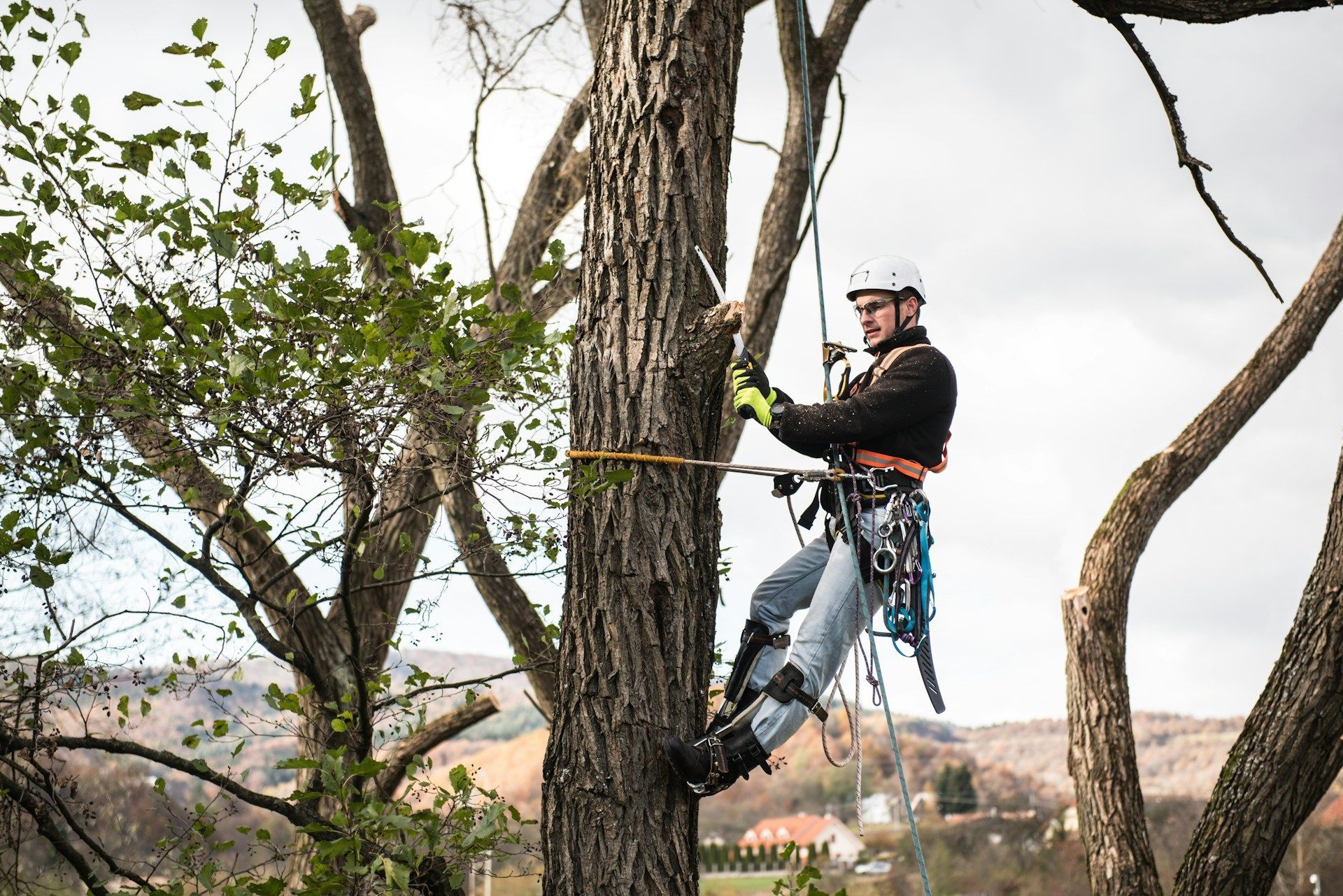
Tree removal isn't small work, especially when you're dealing with tall trees, tight yards, or anything near power lines. It's fair to ask what kind of equipment will be used and how everything will be handled on the job site.
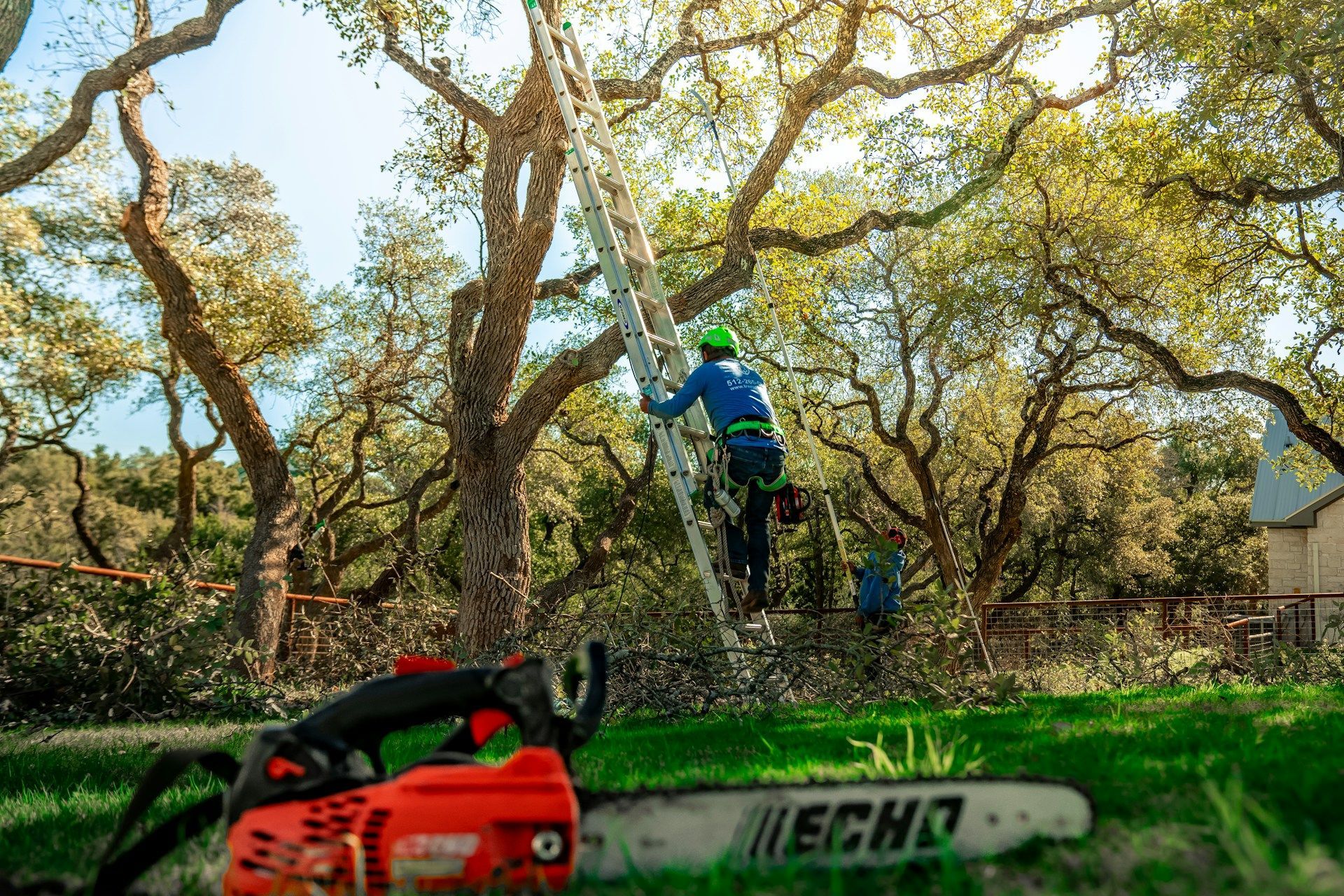
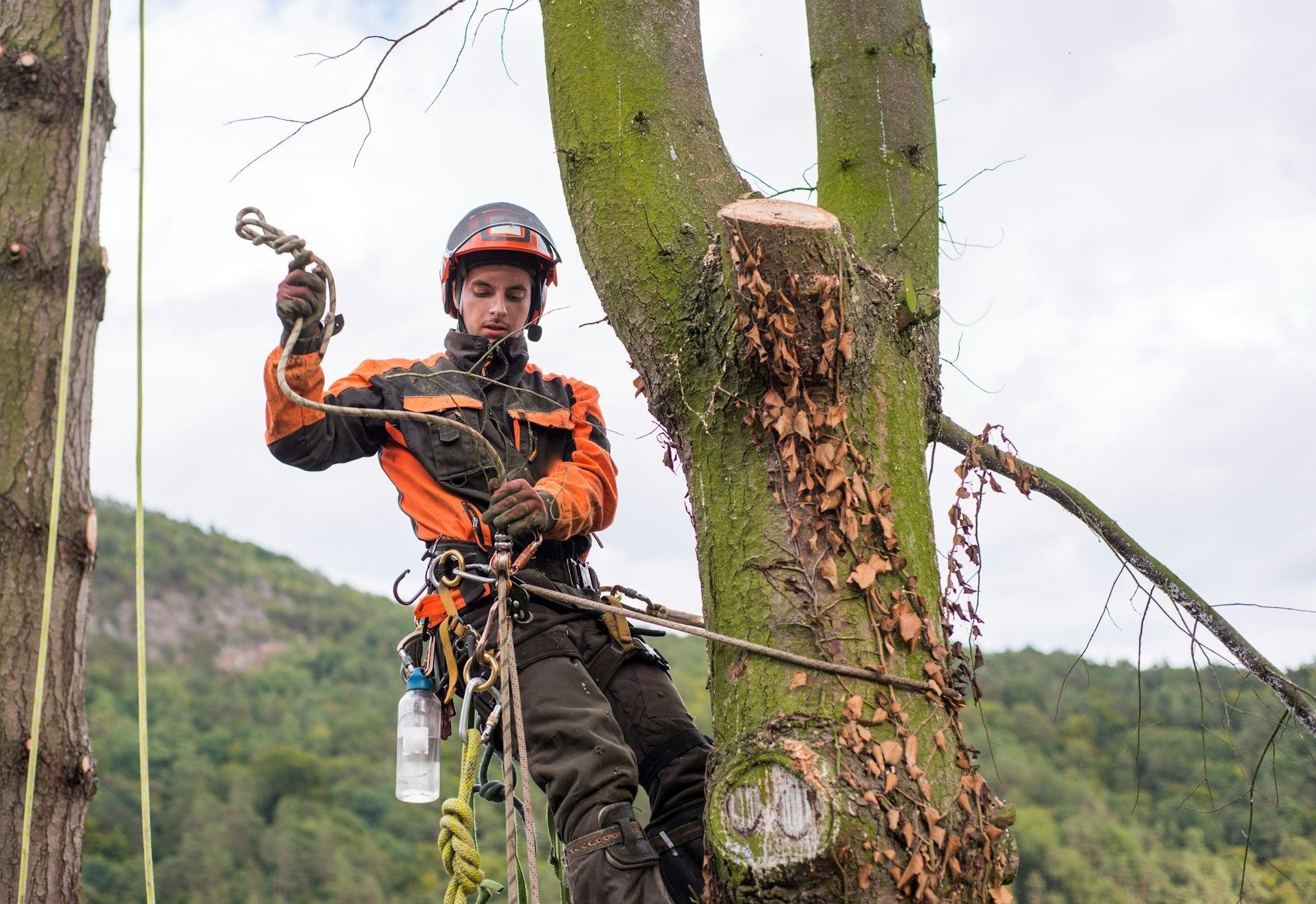
- Ask how limbs will be lowered or taken apart safely
- Find out what gear is used when working near buildings, driveways, or wires
- Make sure rules are followed for any work that touches sidewalks or streets
Good equipment isn't just about getting the job done fast. It's about keeping people and property safe while the work is happening. That peace of mind starts with knowing the plan before anyone starts cutting.
Different trees need different approaches, especially if they're overhanging any structures. Some jobs may require cranes or ropes so sections can be cut slowly and lowered in a controlled way. For neighborhoods with narrow access or big slopes, the right equipment can keep both the yard and workers safer. Ask in advance how cleanup will be managed, from sweeping up wood chips to fixing damage to lawns or driveways.
Know Before You Cut: A Safer Way to Plan Tree Removal
Taking a tree down isn't just a yard project, it's a safety call, a timing decision, and a matter of planning ahead. Asking the right questions before anything's scheduled can help you feel confident about moving forward.
Whether it's about what's wrong with the tree, whether the timing is right, or how cleanup will work, it's better to have those answers early. That way, when the equipment rolls in, there are fewer surprises waiting. Late summer can be a great time to handle this kind of work, with clear weather and enough daylight to keep things on track. If something in your yard just isn't sitting right, this could be the season to take a closer look.
Tree Experts, LLC offers free estimates and 24-hour emergency service for tree removal in Los Lunas, New Mexico, and Valencia County. Our crew is licensed, insured, and equipped for safe removals in small yards, tight urban spaces, and around commercial structures.
If you're considering taking action on a problematic tree this summer, now is the time to ensure it's done safely and efficiently. At Tree Experts, LLC, we specialize in comprehensive
tree removal to address your concerns, whether it's a leaning trunk or growing too close to your home. Our professional team is ready to provide guidance and execute your tree solutions with expertise, from initial assessment to thorough cleanup. Contact us today to set up your free estimate and start making your yard a safer place.

Share On: