
What Trees Are Telling You When Branches Hang Low
When spring gets into full swing, trees start to wake up again. New leaves, flowers, and fresh growth bring color back into our yards. But if you're seeing branches drooping or hanging low, it might be more than just a sign of healthy growth. Sometimes, it means your tree is under strain.
Low-hanging limbs can be a warning that something deeper is going on. It could be too much weight, or it might point to stress inside the tree. These changes are easy to miss if you're not sure what to look for. That's where regular checkups and tree services help spot potential problems before they lead to costly damage.
When Low Branches Mean Heavy Growth
New branches and leaves can fill out quickly in spring. While this looks great, it often adds more weight than the tree can hold up right away. Wet spring weather adds even more weight, especially after early-season rain.
- Leaves and blossoms collect water, making limbs sag lower than normal.
- Trees that weren't trimmed in winter may experience sudden overgrowth, pulling branches down over sidewalks or driveways.
- These sagging limbs can get in the way of daily use around your home, blocking clear walking paths or scraping over vehicles.
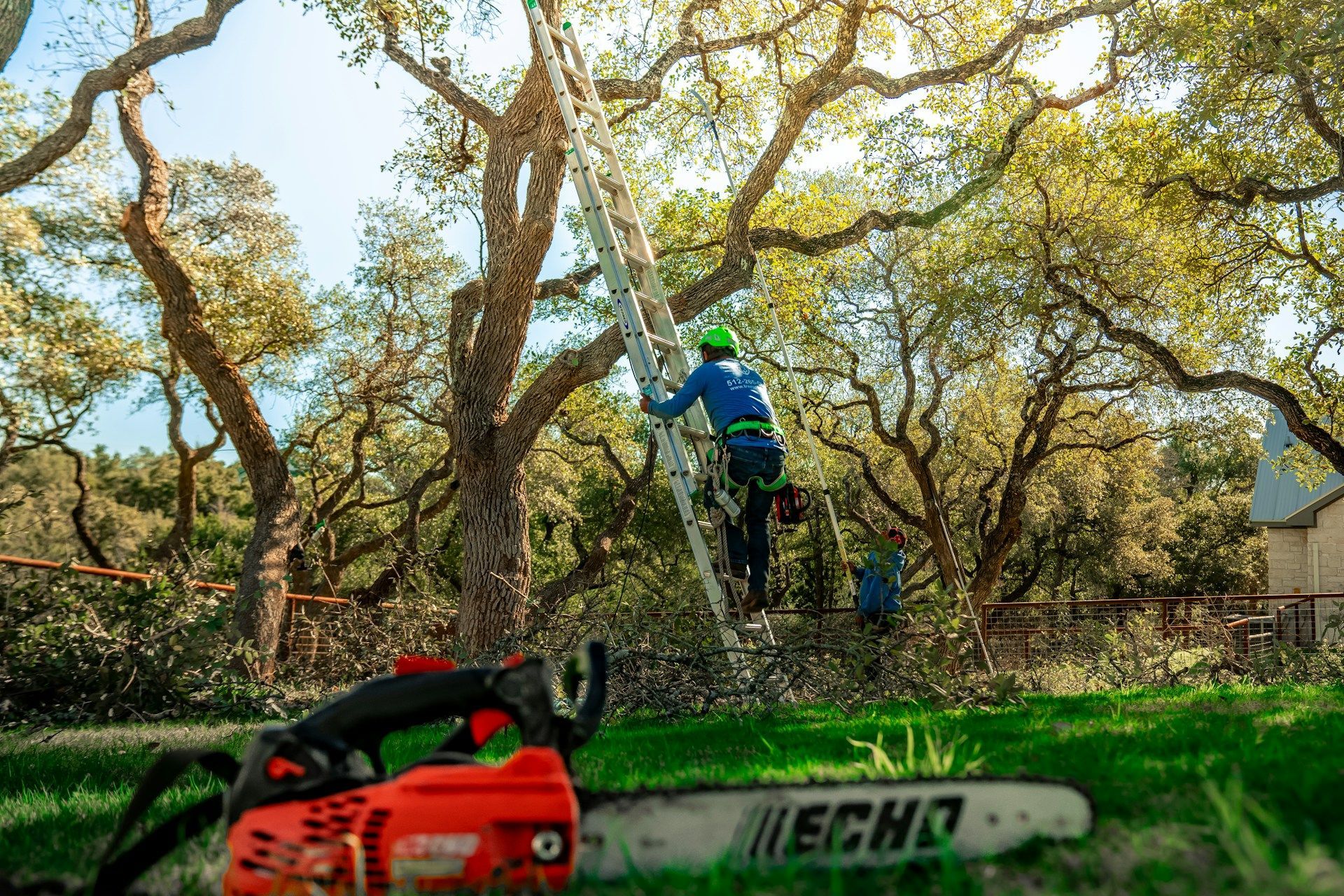
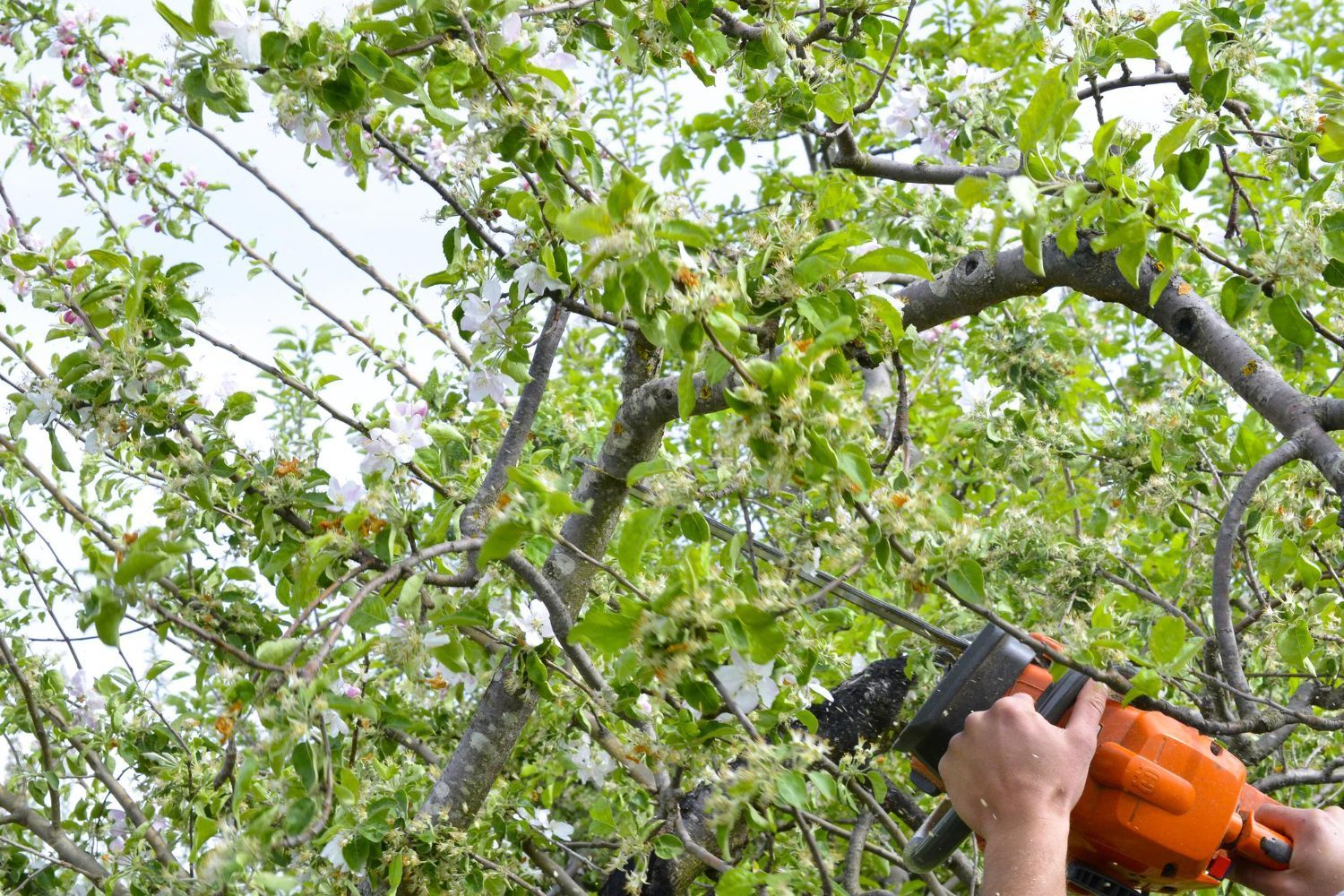
Tree Experts, LLC offers tree trimming and storm cleanup services across Los Lunas, New Mexico, and the surrounding areas. Keeping trees shaped helps control where and how they grow. It also helps open them up to light and air, which improves overall health. Trees can grow thick and full in a short time, so we pay close attention early in the season before the weight becomes too much.
Signs the Tree May Be Struggling on the Inside
Not all droopy branches mean quick spring growth. Often, the problem starts deeper. If branches look tired, sag unevenly, or lean more than normal, the tree might be dealing with an internal issue.
- Root damage or decay can affect how well a tree supports its limbs.
- Cracks in the bark near the base of a branch or thinning spots can suggest rot or disease.
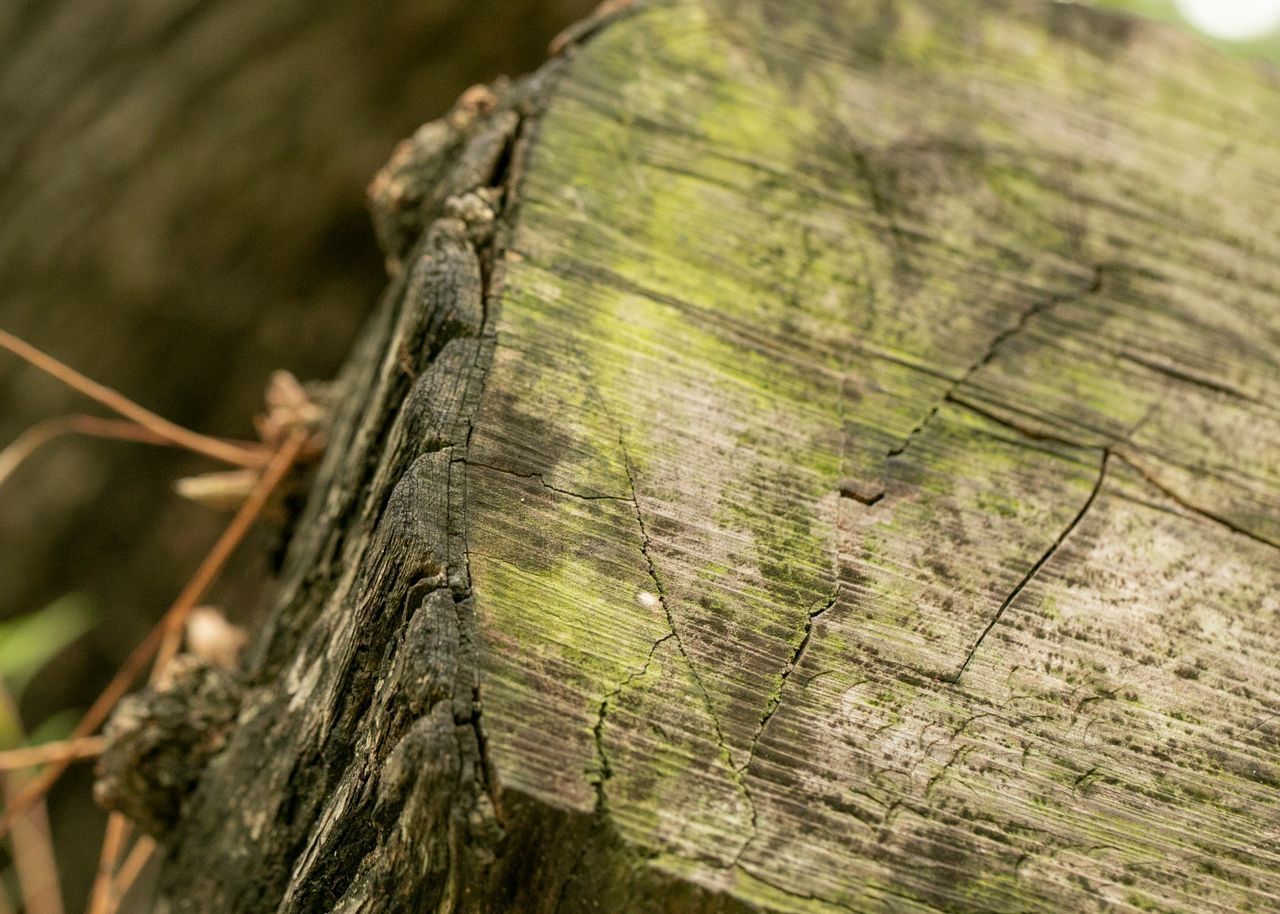
- If part of the bark feels soft or pieces flake off easily, it could point to a deeper weakness.
These are things we check for regularly. Low branches by themselves don't always confirm a problem, but when combined with bark damage or stunted leaf growth, they raise concern. Other signs include limbs that bend more than they should or that start drooping without new leaves forming. If you spot a mixture of these issues, something more serious could be going on.
How Weather Plays a Role
Spring weather looks different depending on where you live, but in New Mexico, this season can run from warm sunshine to strong winds and quick rainstorms within a few days. All that back and forth puts pressure on trees, especially those already showing signs of weakness.
- Damp ground and wet leaves make limbs heavier, which adds stress to older or split branches.
- Wind events in the spring can catch on hanging branches and snap them fast.
- Sudden changes in temperature lead to swelling or shrinking in wood, which can make cracks worse.
We watch the forecast closely because timing matters. Getting trees into shape before rough weather hits is a safer option than waiting to clean up after damage happens. If low branches are already close to breaking, one spring storm can send them crashing down.
Nearby Hazards and Safety Concerns
One of the biggest concerns with hanging branches is how close they may be to things people use every day. Driveways, sidewalks, fences, and rooftops are just a few spots where droopy limbs can cause trouble.
- Branches that brush against shingles or gutters can wear them down over time.
- Kids and pets that play in the yard might not spot a weak branch that's ready to fall.
- Cars left under a low limb are at risk during stormy days.
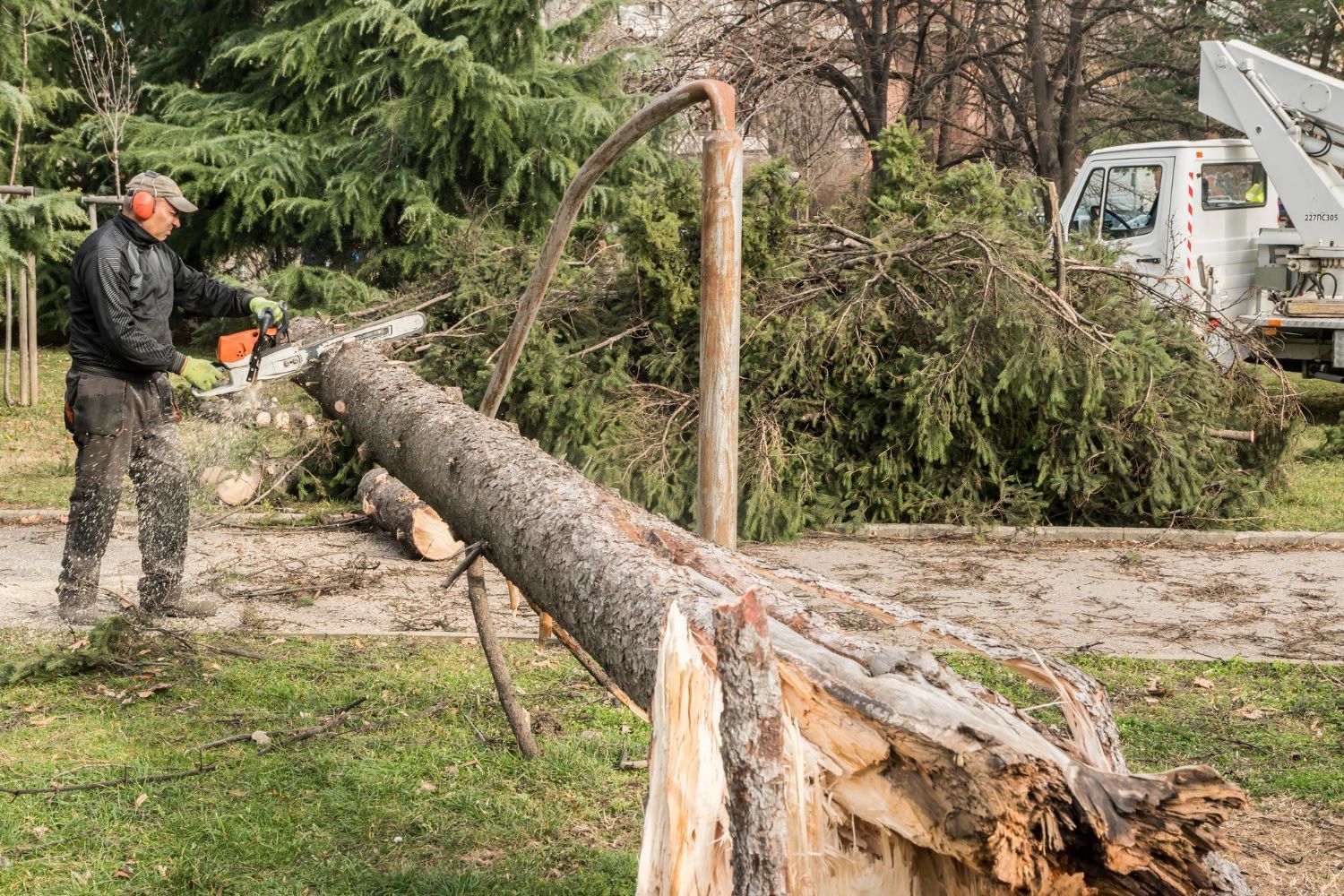
Tree Experts, LLC provides free estimates and emergency response for hazardous branches. Anything that rests near the tree, or underneath it, needs a check when limbs start dipping lower than usual. We try to clear safety zones before spring is fully underway. Catching problem spots now means less clean-up later, especially when the weather turns rough.
What Happens if You Wait Too Long
It's tempting to ignore low limbs, especially if they don't seem to be doing much harm. But what looks small in spring can create big problems just a few weeks down the line.
- Weak or rotting limbs don't usually heal on their own and often break when pressure builds.
- Once they fall, these limbs can damage fences, smash into sheds, or scratch up vehicles.
- In many cases, we get emergency calls once a broken branch has already hit the ground.
Most of the time, the signs are there well before a break happens. If branches lean harder with each passing week or the base near the trunk looks cracked, then time is short. Local crews that handle tree services know what to check, even when the tree looks mostly okay on the outside.
Keeping Trees Healthy and Yards Safe
Branches that sag or drop lower than normal are often trying to tell us something. What starts as a sign of strong plant growth in spring can shift quickly into a safety or health issue. That's why we always look twice and take note of what branches are doing this time of year.
Before the sun gets stronger and late spring rains begin, it helps to walk your yard and really look at your trees. Check for limbs that block paths, scrape the rooftop, or sit too close to power lines. Early care keeps things simple, saves stress, and helps trees stay strong through the seasons ahead.
Don't let low-hanging branches put your property at risk. Count on tree services from Tree Experts, LLC to maintain the health and safety of your trees. Our experienced team can identify potential issues before they become serious threats and provide solutions that keep your yard looking its best. Get in touch with us today to give your trees the expert care they need for a thriving landscape.


Share On: