
What to Check for Before Grinding an Old Tree Stump
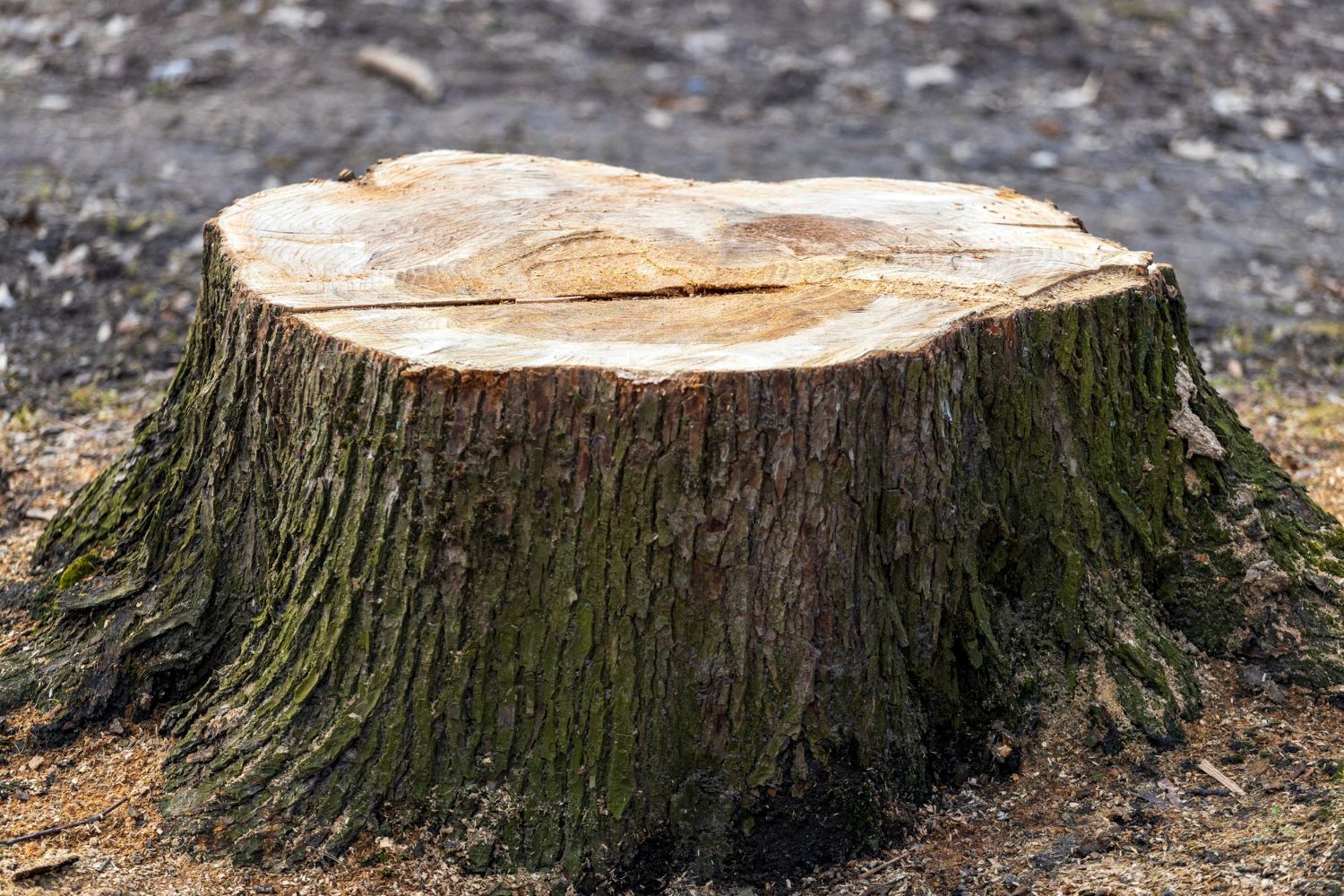
Old tree stumps can stick around much longer than we expect. They take up space, attract bugs, and make it harder to mow or work around them. Once spring rolls around and yardwork picks up, removing that stump starts to feel like a smart next step. That is where stump grinding comes in. It is a simple way to clear the area and get your yard back in shape.
But before the machines start running, there are a few things we always check first. Grinding might seem like a quick fix, but every stump is a little different. Taking the time to inspect it properly can help avoid slowdowns and bigger problems down the road.
Look at the Stump's Condition
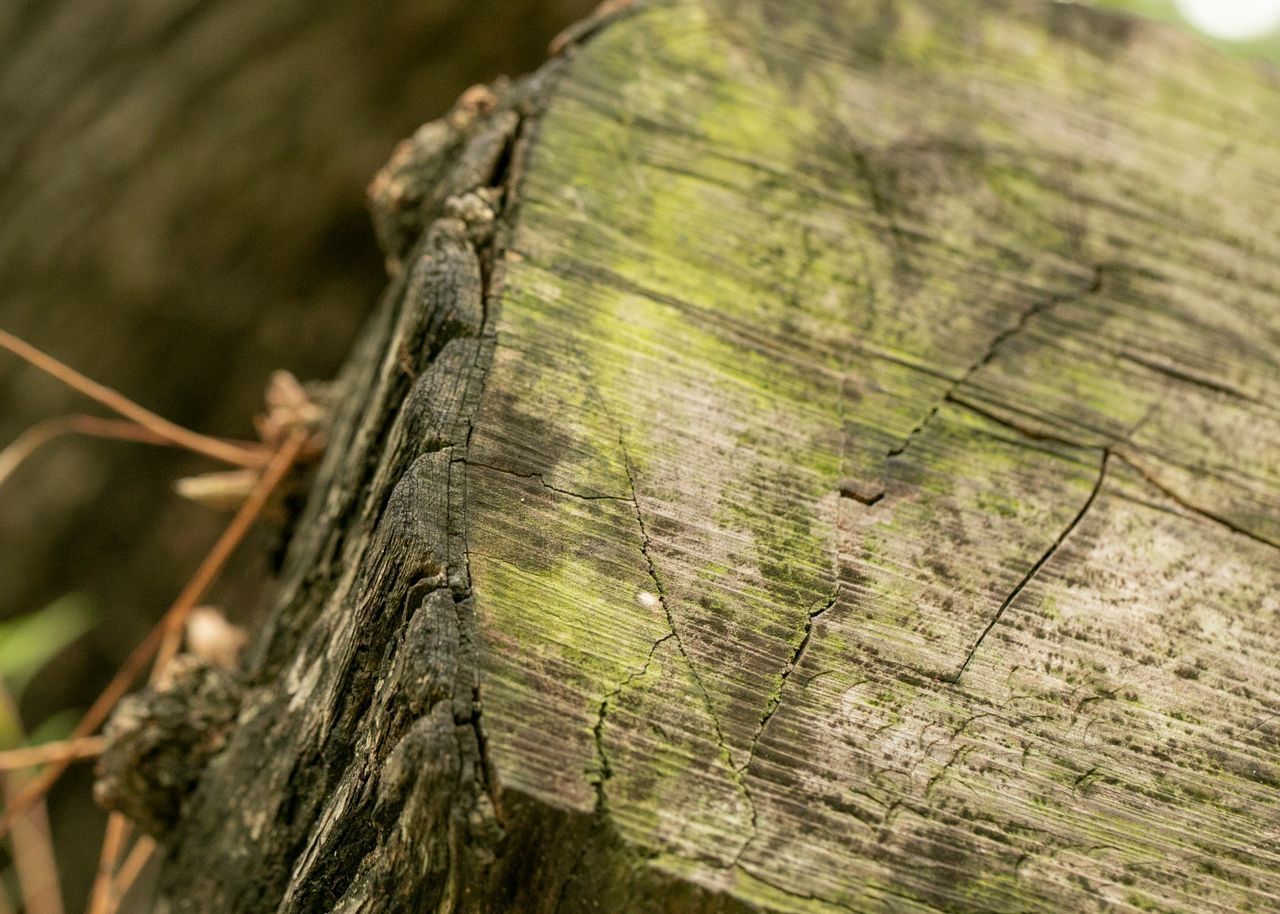
The shape and feel of the stump can tell us a lot before we even start. Soft, rotting wood grinds a lot easier than fresh, dense stumps, but that softness can mean other problems too. Sometimes rotting wood hides mud or bugs inside, which can clog up machines or spread pests around the yard.
- Older stumps that have started to break down might seem like less work, but they can crumble in chunks, making it harder to clear the spot cleanly.
- A fresh stump, especially from certain hardwood trees, can take longer and need more passes with the grinder.
- Signs of insect problems, like small holes or sawdust near the roots, could point to termites or ants living inside.
We check for all of this upfront because it helps set the right plan and keeps the job smooth from start to finish.
Sometimes, the stump is a mix of rot and tough bark, which means grinding speed can change as you go. We also pay attention to anything growing from the base, since shoots or fungi might hint at deeper root issues. When the wood is too dry, dust goes everywhere, so having a plan for cleanup makes things easier as well.
Check for Underground Hazards
One of the most important steps before we begin is checking what is underground. Even though we are staying above the root level, some roots run close to things we do not want to hit. That includes water lines, sewer pipes, irrigation systems, and even power or cable lines.
- These hidden parts of the yard are not always where you expect them, which is why contacting the local utility specialists before any digging or grinding makes a big difference.
- Some older yards have septic tanks or drainage systems that are not marked on any map, so if there is ever a question, we slow things down and take another look.
- It is never worth guessing when something that runs under your yard could be damaged. Fixing a broken pipe takes a lot longer than waiting for a safe start.
Making sure we have cleared that checklist helps us protect what is hiding below the surface. You also want to note which direction the roots seem to travel in, especially if the stump is close to the house or driveway. Sometimes, tree roots grow along the path of least resistance, which might mean they reach toward nearby landscaping or garden beds. Spotting these patterns can help avoid tearing up more of the yard than necessary.
What's Around the Stump
What is sitting next to the stump matters just as much as the stump itself. Grinding can send wood pieces flying, even with the right shields in place. So we take time to clear the area and check for anything that might get damaged.
- Loose toys, lawn furniture, or bits of fencing should be moved back before we begin.
- Things like gardens, sprinklers, and tree roots in nearby spaces need to be marked off or flagged to help us stay clear.
- Any leftover gravel or wire hidden in the soil near the base of the stump could damage grinding blades, so the prep work makes a big difference.
The more space we have to work with, the faster and cleaner the job goes, and the less cleanup there is afterward.
If the stump is close to a shed, playground, or even a fence, taping off the work zone keeps pets and kids away while we work. Some folks like to lay out tarps to help collect chips, which also keeps garden soil cleaner. Even if the area seems empty, a quick walk-around at the start makes sure nothing has been left that could get pulled into the grinder, like small stones or metal stakes.
Weather and Soil Conditions
The feel of the soil and the local weather forecast can change how and when we grind. In early spring, moisture levels can vary a lot depending on recent rain or snowmelt. Damp or soggy yards become slippery fast, and heavy machines may sink or leave tracks behind.
- Wet soil slows things down, because grinding creates a mess faster than it clears out.
- Compact, dry dirt from warm stretches of weather can make it harder to get the grinder deep enough across the roots.
- We always check the forecast before scheduling work like this. If there is rain expected within a day or two, it is better to wait than work in a muddy mess.
Knowing the ground's condition ahead of time shapes the schedule and cuts the risk of added damage. Wind can also play a part in early spring in New Mexico, blowing sawdust and wood chips farther than you expect. Sometimes, if the weather looks rough, like sudden rain or strong wind, it pays to reschedule rather than hurrying and risking an unsafe work area.
When It's Time to Call a Pro
Bringing in someone who knows what to check and how to run the right tools makes all the difference. The machines used for stump grinding are powerful. They cut through wood fast and need a steady grip and close attention to stay safe.
- In some yards, roots stretch far beyond what you see on the surface, so a trained eye helps plan for what is really underneath.
- Being able to read changes in noise or vibration during the grinding helps spot hidden objects or tool trouble early on.
- Finishing strong means more than just grinding the wood. It means grading the area, cleaning up debris, and hauling off leftovers so you are ready to move ahead.
We know there is more that goes into a job like this than just turning the blade on and letting it spin. Checking carefully before and during the process helps the job move along and keeps the yard in good shape.
Sometimes, tree stumps rest on a slope or in a tricky spot, which means extra care is needed to make sure the grinder is stable. Professionals keep an eye not only on the stump but on the ground it's set in, watching for soft patches that could cause the equipment to slip. In the end, experience goes a long way in making a tough job look simple, and it keeps everyone safe while working.
Smooth Yards, Fewer Surprises
Removing an old stump may look like a small job, but it touches more parts of the yard than most expect. Tree roots run wide, and objects nearby can shift how we are able to work the area. Spring weather adds its own set of timing challenges too.
That is why a close check before starting is always worth the extra few minutes. From rotting wood to soft soil, every detail shapes what comes next. With the right prep, we can help turn that rough patch into open, usable space with the least hassle, making spring cleanup just a little easier.
Transforming your yard starts with expert
stump grinding services from Tree Experts, LLC. Our team ensures a thorough assessment and meticulous attention to safety and detail throughout the process. Reclaim your outdoor space efficiently and securely with our professional assistance. Contact us today to discuss how we can help you make the most of your yard this spring.

Share On: