
How to Plan Tree Removal Around Spring Landscaping
Spring brings energy back to our yards. The weather warms up, flowers return, and many of us feel ready to start new outdoor projects. But before planting anything fresh, it's smart to look at what's already in the ground, especially the trees.
Tree removal doesn't always come first to mind, but it plays a bigger role in spring prep than most people think. When planned at the right time and in the right way, it can make space for brand-new growth, open up areas that were too shaded, and keep the rest of your updates from running into trouble later. A little planning now makes things smoother down the line. A proactive approach can help you avoid issues with sunlight, space, and yard safety as new projects start. Even simple adjustments now can have lasting positive effects throughout spring and into summer.
Look at the Yard Before You Plant
A good plan starts with a walk-through of your yard. Look around and notice what might be in the way. Some trees grow too close to garden beds or spread out wide over patios and rooftops. Others may have branches that are too low, roots creeping into unwanted areas, or signs of damage from a past storm or drought.
Take your time as you walk the property. Make note of which trees seem healthy and which ones make certain spaces harder to use or enjoy. If you notice leaning trunks, broken limbs, or sections of dead wood, these are all signs that a tree may not be an ideal fit for your spring plans.
Think about where the sunlight falls now, and where it doesn't. A tree that shades your home in summer might be perfect to keep, while one that blocks the spring bloom in your flower beds could be better off gone. Roots can also compete with nearby plants for water and space, slowing their growth. Even trees that seem fine at first may be taking space and resources from new shrubs, flowers, or grassy areas you want to plant.
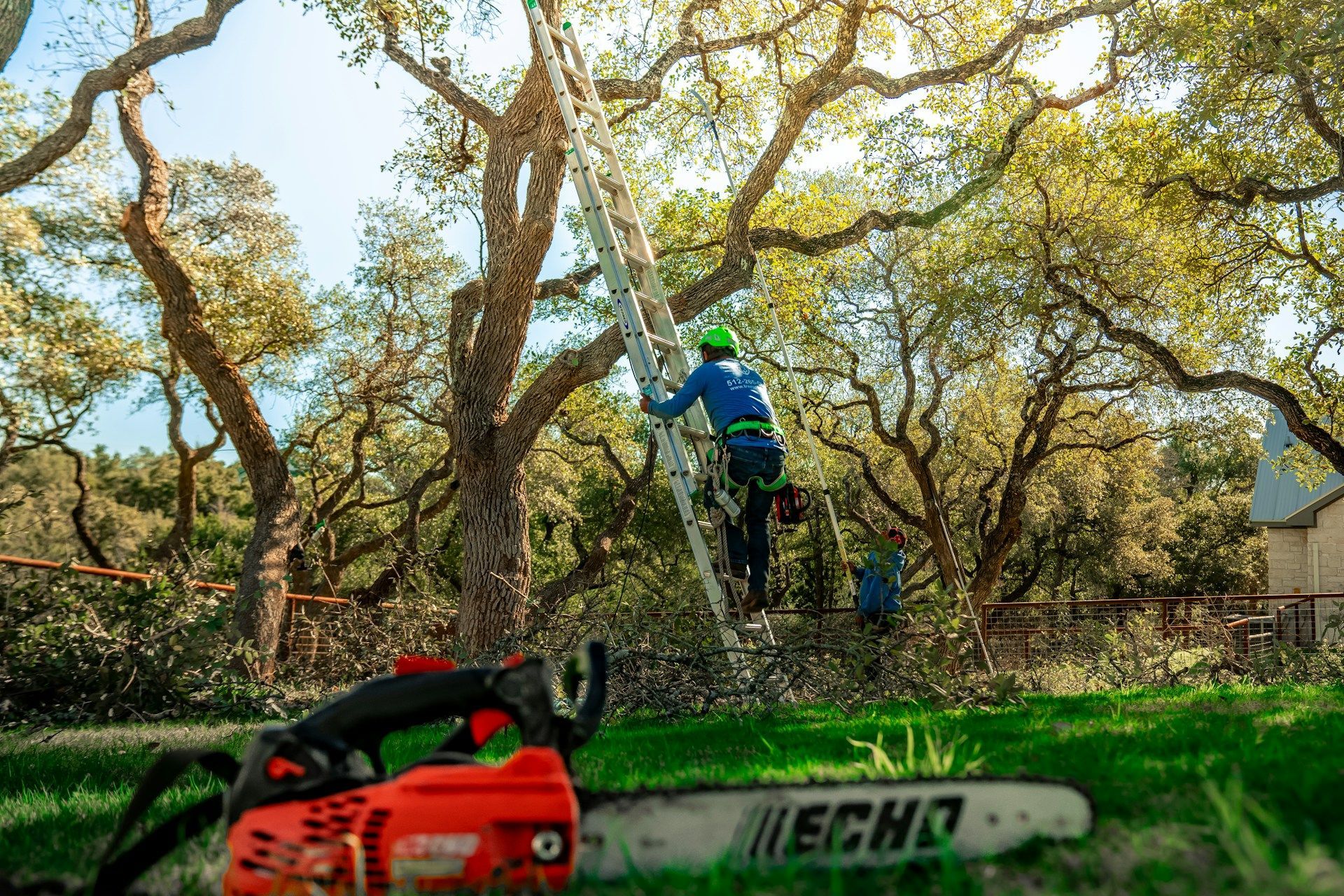
This is where an expert's eyes can help. A trained crew can spot signs we might miss and give advice on which trees stay and which ones need to go. That way, you don't risk pulling out something healthy or keeping something that will be a problem later. Experts know how to judge tree health, spot root system trouble, and see signs of ongoing problems.
Choose the Best Time in Spring for Tree Work
When it comes to scheduling big yard jobs, early spring has a sweet spot. By late April, the ground tends to be soft enough to work but not so dry or packed that equipment does more damage than good. Many garden beds and lawn projects haven't started yet, which leaves space to work without backtracking or causing setbacks. This window gives crews easier access and helps keep things cleaner.
Taking care of tree removal before new grass, flowerbeds, or drip systems are in place helps protect all those updates. Nobody wants to plant a new garden just to have it stepped on, dug up, or shaded out by what was left behind. Tree work done too late can mean heavy equipment crosses growing grass or disrupts drip lines, so timing your removal early avoids these headaches.
Starting earlier in the season also gives you more time to focus on fun stuff later, like planting, decorating, or finally setting up that shaded sitting area. Heavy work first, then lighter hands for the rest. Consider your schedule for planting and yard improvement. Getting trees out of the way quickly makes room for new ideas and smooth progress.
Planning ahead keeps projects on track. With a clear yard early in spring, you can jump right into planting or adding new features without waiting for messy work, surprise repairs, or delays when things are already growing. That extra breathing room can lead to a better-looking yard and less stress.
Plan Around Equipment and Cleanup
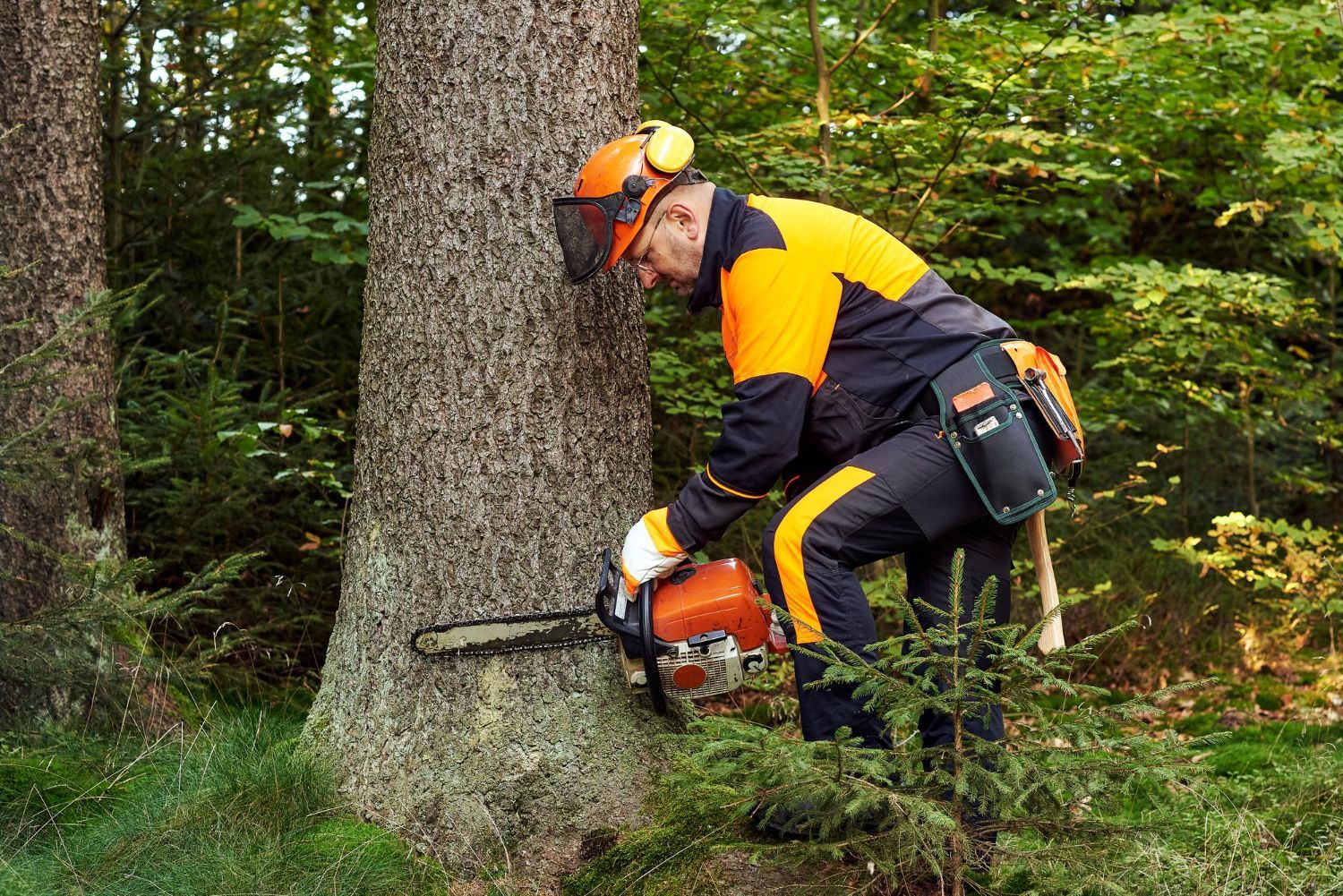
Even when done carefully, tree work takes room. Most jobs involve moving large limbs, grinding stumps, and cleaning up piles of wood and debris. All of that needs good access and, more importantly, space to fall safely without damaging what's nearby.
If mulch, sod, or flower beds are already in place, it can make that cleanup messier and harder to control. Sawdust can get into fresh soil. Branches might crush just-planted flowers. And having to move equipment through finished parts of the yard means doing parts of the job twice.
Make sure there's a path for equipment that won't disturb your favorite areas. If possible, wait to lay down sod or plant until the heavy tree work is finished. A little patience pays off with less cleanup, fewer repairs, and better results.
Working in the right order—first the tree work, then the planting—keeps things simple. It avoids wasted time, protects what you've already done, and stops the domino effect of one job undoing another. Managing the steps in the right sequence, especially in spring, will mean more lasting improvements all season long.
Careful cleanup after tree work is just as important as the removal itself. Collecting all wood, raking sawdust, and handling stump grinding debris quickly helps your yard recover. Crews can bring in tarps, blowers, or other tools to get your property looking clean faster.
How to Keep the Rest of the Yard Safe
Big tree jobs don't mean everything nearby has to take damage. When crews plan ahead, they can lay down mats, cover delicate plants, and steer clear of things like sprinkler heads and lighting systems. That care lays the groundwork for your yard to bounce back quickly and smoothly.
Paying attention to the small details protects your garden beds, fences, and other outdoor features while large limbs are moved or ground into mulch. Creating safe zones around sprinkler systems, outdoor lighting, patios, and walkways helps prevent any costly mistakes or accidental damage.
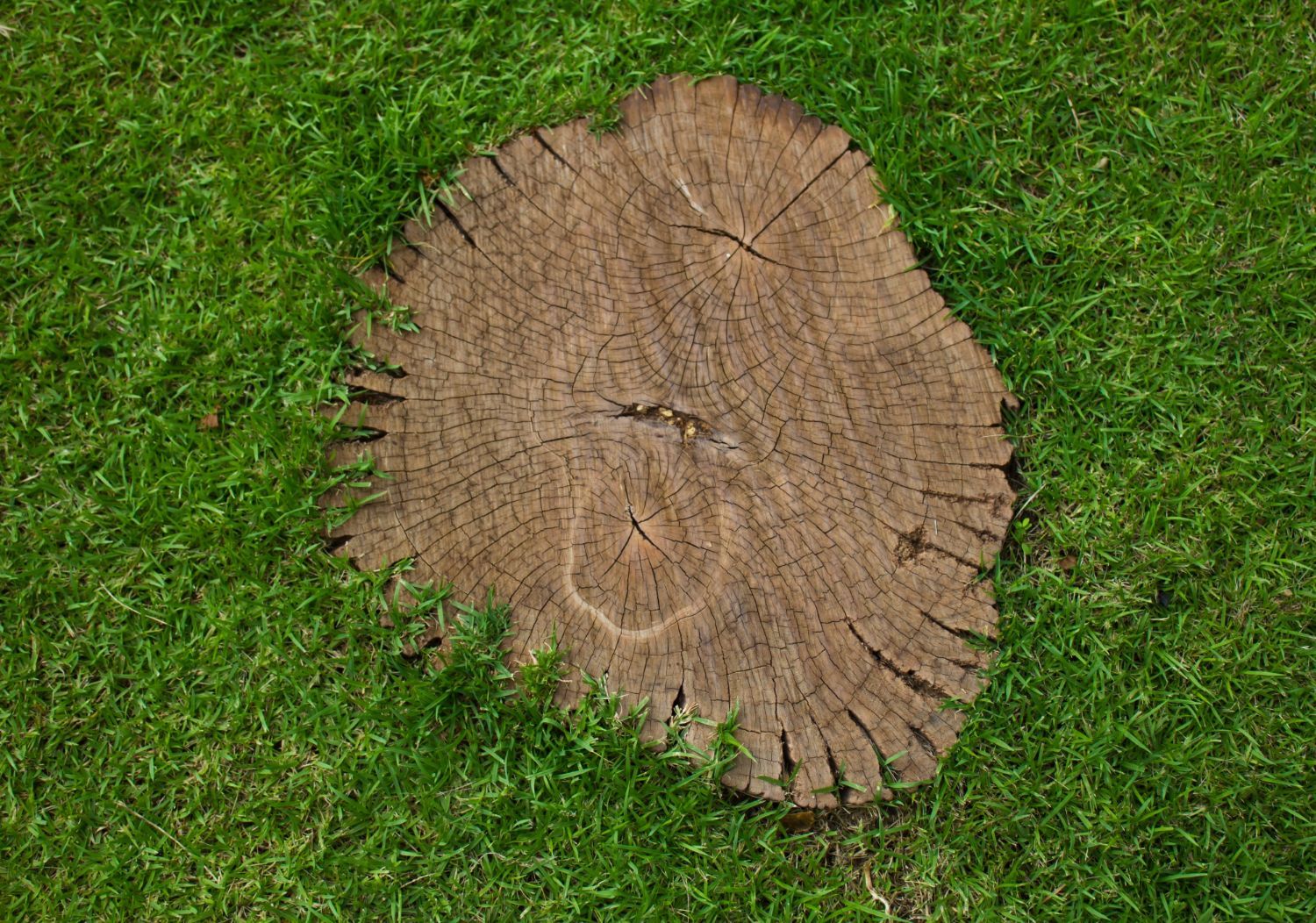
Stump grinding comes after a removal and is easy to overlook. But doing it right away flattens the area so it's ready for reseeding, play spaces, or new paths. Leaving stumps can create soft spots or awkward bumps that throw off the layout or cause trips for kids and guests.
Hiring the right people helps keep the process clean from start to finish. Precise cuts, smart cleanup, and good timing are what keep the rest of the yard safe without slowing down other outdoor plans. Professionals will use boards, fencing, or covers to keep dust and soil where it belongs.
Taking these steps means your yard can stay safe, and new projects can start without delay. When spring arrives, protecting your space during tree removal leads to smoother, more satisfying results for the whole season.
Smooth Starts for Fresh Spring Growth
Tree Experts, LLC has provided full-service tree removal, trimming, and stump grinding for families and businesses in Los Lunas, New Mexico, and throughout Valencia County since 1998. Our approach puts your projects first by supporting clear, open landscaping and preventing setbacks during seasonal updates.
Timing makes a big difference. Tree removal early in the season clears the way for better planting, smoother builds, and safer yards. It sets a strong starting point instead of becoming a leftover problem midway through your spring plans. Each project starts from a foundation that is built to last, helping grass take root, gardens bloom, and spaces open up for use.
When the trees that don't belong are out of the way, everything else gets easier. Grass fills in more evenly, gardens grow stronger, and outdoor spaces feel more open and usable. That kind of start helps families enjoy their yards more and worry less through the rest of the season. With cleanup done and space ready, the fun parts of spring can take the lead. Your hard work planting, setting up new beds, or adding paths pays off when there are no obstacles left behind.
Start your spring landscaping projects off on the right foot with expert
tree removal from Tree Experts, LLC. By addressing any problem trees now, you ensure smoother planting and safer, more open spaces for all your seasonal updates. Our experienced team handles every step with care, leaving your yard ready for new growth and enjoyment. Get in touch today to see how we can help transform your landscape this spring.

Share On: