
Stump Grinding Questions People Ask Most Often
After cutting down a tree, a lot of people are left with questions about what to do next, especially when it comes to the stump. Do you really need it removed? Is it just an eyesore, or does it cause problems? We get asked about stump grinding all the time, and for good reason. It's a part of the cleanup that tends to bring up more questions than the tree removal itself.
Since spring and early summer are a common time to rethink your yard, now's a good time to answer some of the most common questions we hear. Understanding what happens with stump grinding can help you decide if you're ready to move forward and when.
Why Should I Get a Stump Removed?
Leaving a tree stump in the ground might not cause trouble right away, but it can lead to problems over time. There are several reasons people usually want them gone.
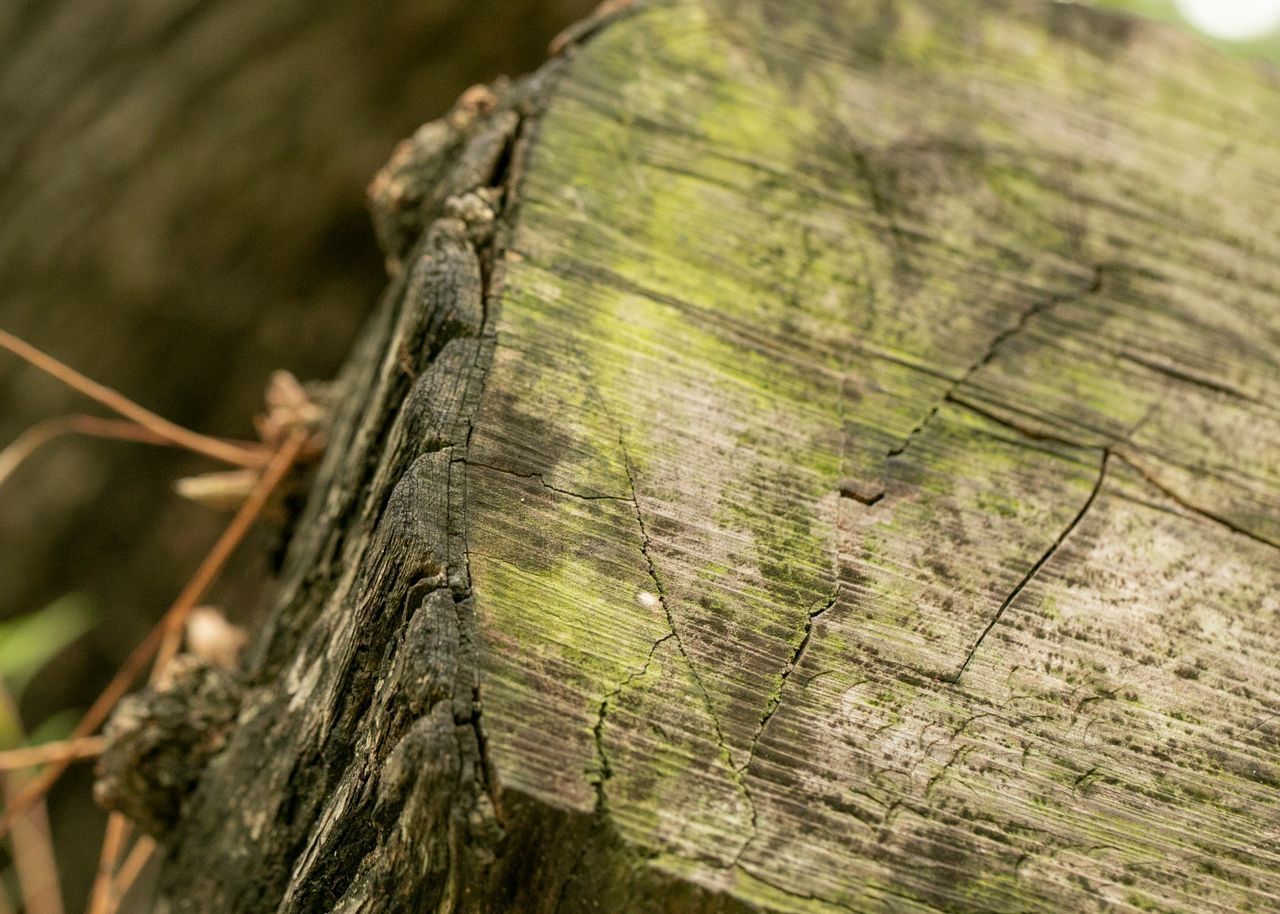
- Stumps left behind after a cut can start to decay. That opens the door to bugs, like termites or ants, and even fungi that feed on rotting wood.
- They make yard work harder. It becomes annoying to mow or plant around the base, especially if roots spread out just under the surface.
- They can be dangerous. A low stump might blend in with the lawn once grass starts growing up around it, which means someone can trip or hit it with equipment.
Stumps tend to stick out more once the rest of the tree is gone and your eye travels across the open space. Whether it's about safety or just making the yard easier to use, removing the stump solves a lot of small problems at once.
What Happens During the Stump Grinding Process?
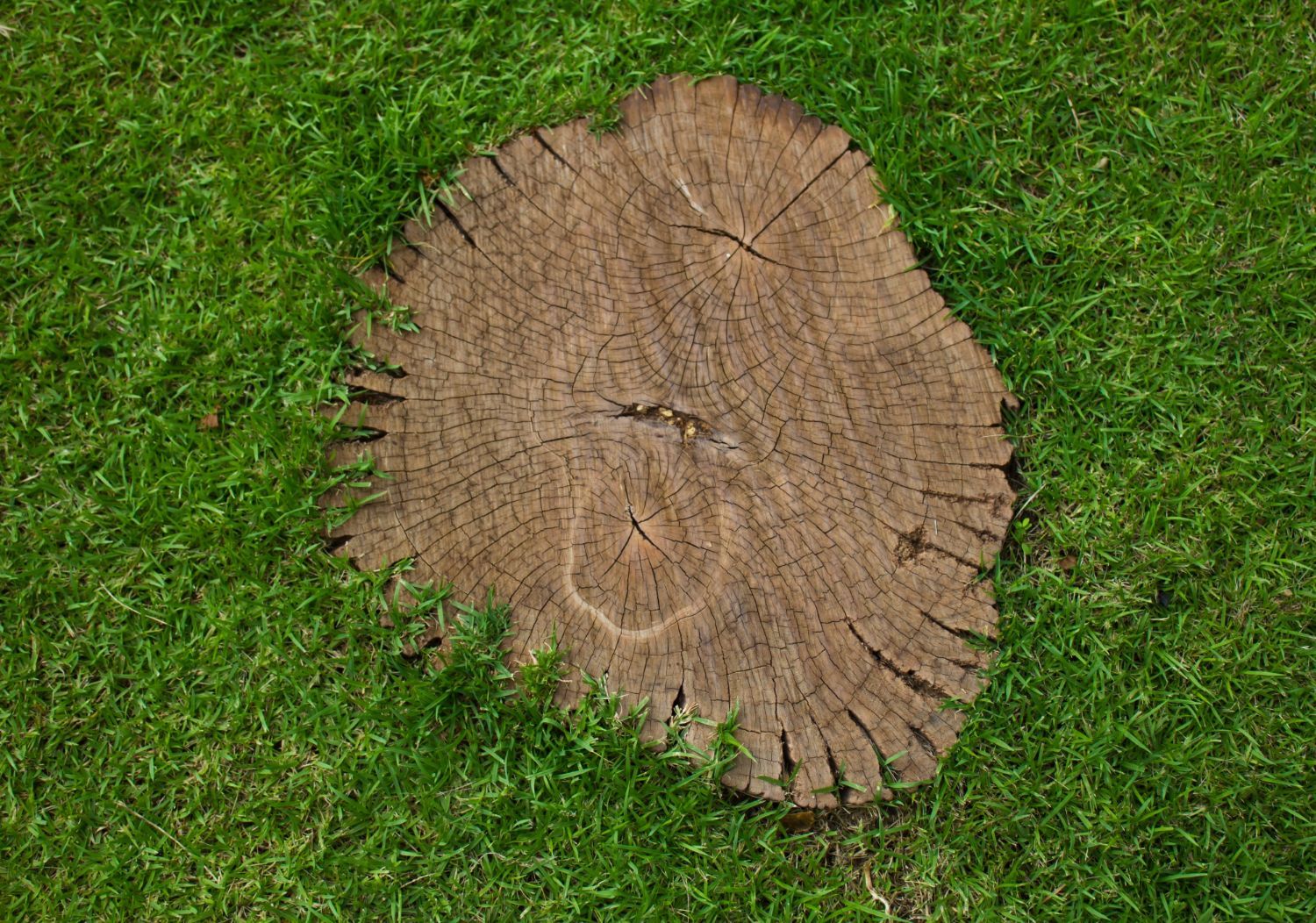
Stump grinding uses a machine with rotating blades to chip away the body of the stump a little at a time. The blades grind it down into small wood shavings and soil, turning what's left of the trunk into ground-level mulch.
Here's what to expect during the process:
1. First, we clear any rocks or yard items away from the stump. Then, using the grinder, we shave it down to below soil level, usually around 4 to 6 inches deep.
2. The grinder works in a sweeping motion, wearing down the wood layer by layer. It does not remove the entire root system but takes care of the visible and raised parts.
3. When we're done, the area is covered in wood chips and ground-up soil left from the stump. Some people choose to leave this mix in place to settle, while others have it hauled off and replaced with new soil.
It usually doesn't take long, and most machines are designed to get into tight spots, so it works even near fences or flowerbeds. The setup, grinding, and cleanup all usually happen in one visit.
The noise from the grinder is only temporary, and we try our best to keep things as neat as possible. Sometimes there will be a little extra work needed if roots stick out farther than expected, but most of the time, the area is back to normal quickly.
Can I Leave the Stump Alone?
Some yards can tolerate a leftover stump for a while, but it's rarely the best long-term plan. Trees don't always stop growing just because the trunk is gone. Roots can keep pushing out new shoots, especially in spring and summer when the conditions are right.
Even if it doesn't regrow, the leftover wood can start to rot. When that happens, it can affect nearby areas too. Moist, dark places become welcome spots for pests like ants or carpenter bees, who don't mind moving in. Over time, what looked like a harmless stump might turn into a mess.
Leaving it also means the land above the roots will stay uneven. That can be fine if the stump is in a far-off corner, but in high-traffic spots or places you're planning to use more, it's usually better to remove it. Spring tends to be when people start noticing it and realizing it's in the way.
A leftover stump can sometimes make new landscaping harder than it has to be. The hard wood can be a problem if you want to dig or plant nearby, and you might not get the results you hoped for. Every yard is different, but most people see a big difference once the stump is gone.
How Long Does It Take and What Should I Expect?
Most stump grinding jobs are faster than people expect. If it's a small to medium stump without a wide root flare, the grinding part can take under an hour. Bigger stumps may take longer, especially if they're close to walkways or surrounded by rocks.
Here's what helps everything go smoothly:
- Make sure the area is clear of toys, hoses, or landscaping materials ahead of time.
- If the stump is near a structure, that's good to point out before work begins so the machine can be placed carefully.
- After grinding, you'll either have a mound of mulch or a hole with loose soil. Some people keep the mulch and let it settle naturally, while others choose to refill and reseed the spot.
Expect a little settling over the weeks that follow. The area may sink in as loose material shifts after rain or foot traffic, which is normal and can be topped off later.
If you're planning to plant grass or flowers right away, waiting a bit for the ground to settle can lead to better results. Keep the area moist but not soaked, and fill in low spots if they appear. This helps the yard stay even and makes new growth look better.
What Happens After the Stump Is Gone?
Once the stump is out of the way, you've got a few new options. If you want to plant something new, that's now possible. Whether that's a flowerbed, fresh grass, or even another tree in a different spot, cleanup opens the door.
- Planting sod or spreading grass seed is one of the more popular choices. It helps the spot blend back in.
- You can dig out any remaining bits of root or refill with topsoil if needed, then level it and water well.
- Keep an eye on the area for a few weeks. If it starts to dip as the ground settles, just add soil to bring it back up to grade.
It depends on how you want to use that part of the yard, but most people like having the flexibility again. The shallow remains of the root system won't stop you from growing something else nearby, and as long as the mulch is cleared or mixed with soil, new plants usually do fine.
You may notice that grass grows a little differently in the area for the first season. This is normal because the soil needs time to settle and mix, and the added mulch can sometimes hold a bit more moisture. With regular care and a bit of patience, the spot will soon blend in with the rest of your yard.
Making Your Yard Safer and Cleaner for Summer
Taking out a stump isn't just about keeping your yard tidy. It's about making the space easier to use and safer for family, kids, and pets who might be running around without watching where they step. Spring into early summer is a great time to get this done. The soil is usually soft enough to work without machines damaging the lawn, and insects haven't had time to settle into that stump yet.
Now that we've walked through the common questions, you're in good shape to decide what makes sense for your yard. With the stump out of the way, you'll have fewer tripping spots, better space for mowing, and more room to plan your summer projects.
Enhance the safety and beauty of your yard by finally taking care of that lingering stump this summer. At Tree Experts, LLC, we specialize in efficient stump grinding to make your outdoor space clean and accessible. Our skilled team ensures the process is quick and leaves your yard ready for your next project. Contact us today to explore our services and bring new life to your landscape.

Share On: