
Tree Branch Problems That Appear During Fall Rains
Fall rain can be a welcome change after the dry heat of summer, but it also brings changes we don't always expect. One place this shift shows up is in the trees around our homes. You might notice branches drooping or breaking, and suddenly a quiet rainstorm turns into a cleanup project. These small changes usually point to larger problems that you can't always see during dry days.
That's where regular care and attention, like proper tree trimming, can really make a difference. When trees are healthy and kept in good shape, they can move through the wet months with fewer problems. But when trimmed too little or ignored, fall rains tend to bring those hidden issues to the surface. Knowing what to watch for can help you step in before branches become a safety hazard.
Heavy Rains Can Weigh Down Weak Branches
When steady rains start falling, the added moisture doesn't just coat the leaves and bark. It soaks in and adds weight quickly. This extra strain pulls down on already weak or damaged limbs.
- Older branches, especially those with signs of decay or insect damage, are often the first to go
- Even healthy trees can split if their limbs haven't been trimmed in a while
- When a branch falls, it doesn't just drop lightly, it can land on sheds, fences, or the edge of a roof with serious force
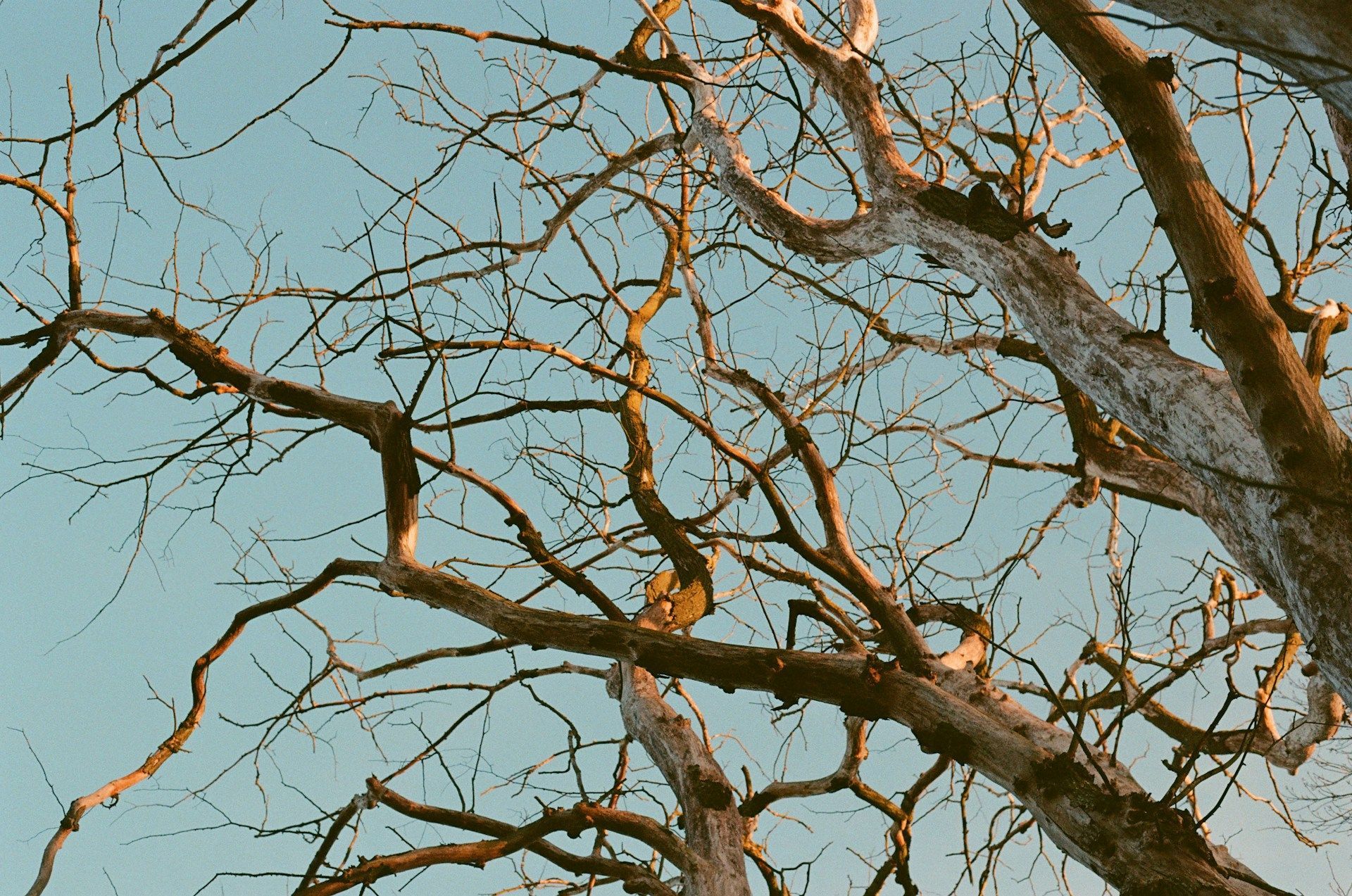
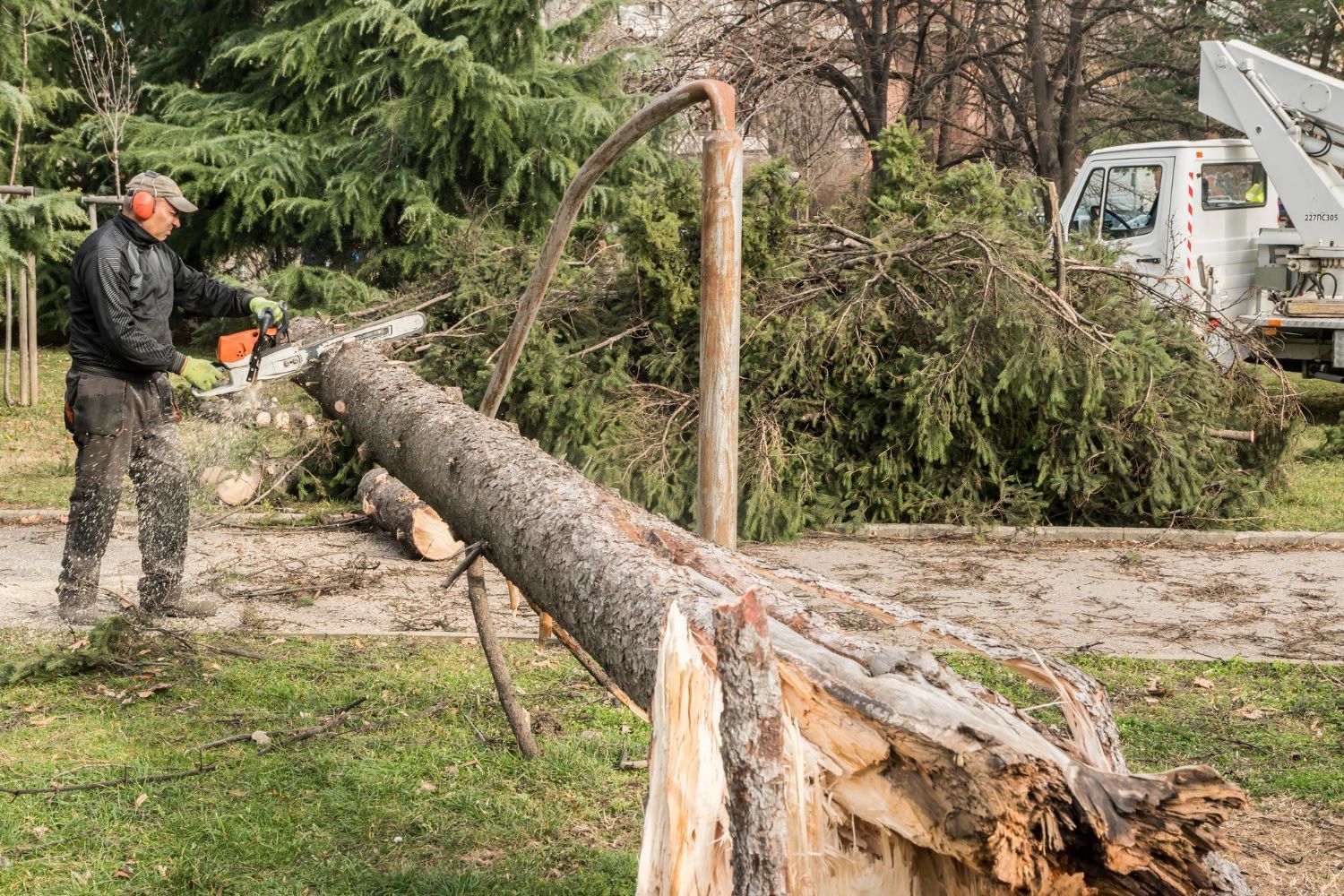
You might walk outside after a rain and notice broken limbs on the ground that weren't there the day before. Sometimes it's just natural shedding, but when a tree starts losing larger pieces, it's a sign to take a closer look. A heavy limb falling in the wrong spot can cause real damage, and catching the warning signs early can help keep outdoor spaces safe.
Cracks and Splinters Are Easier to Miss Until It's Too Late
Not all tree problems are out in plain view. Some issues live just below the surface, and fall weather has a way of uncovering them. Even a tree that seems fine can hide internal damage that's been building for months.
- Rainwater may soften wood and seep deeper into already weak spots
- Cracks that were small and dry during summer can grow fast in wet weather
- Wind paired with water puts extra stress on areas that are already wearing thin
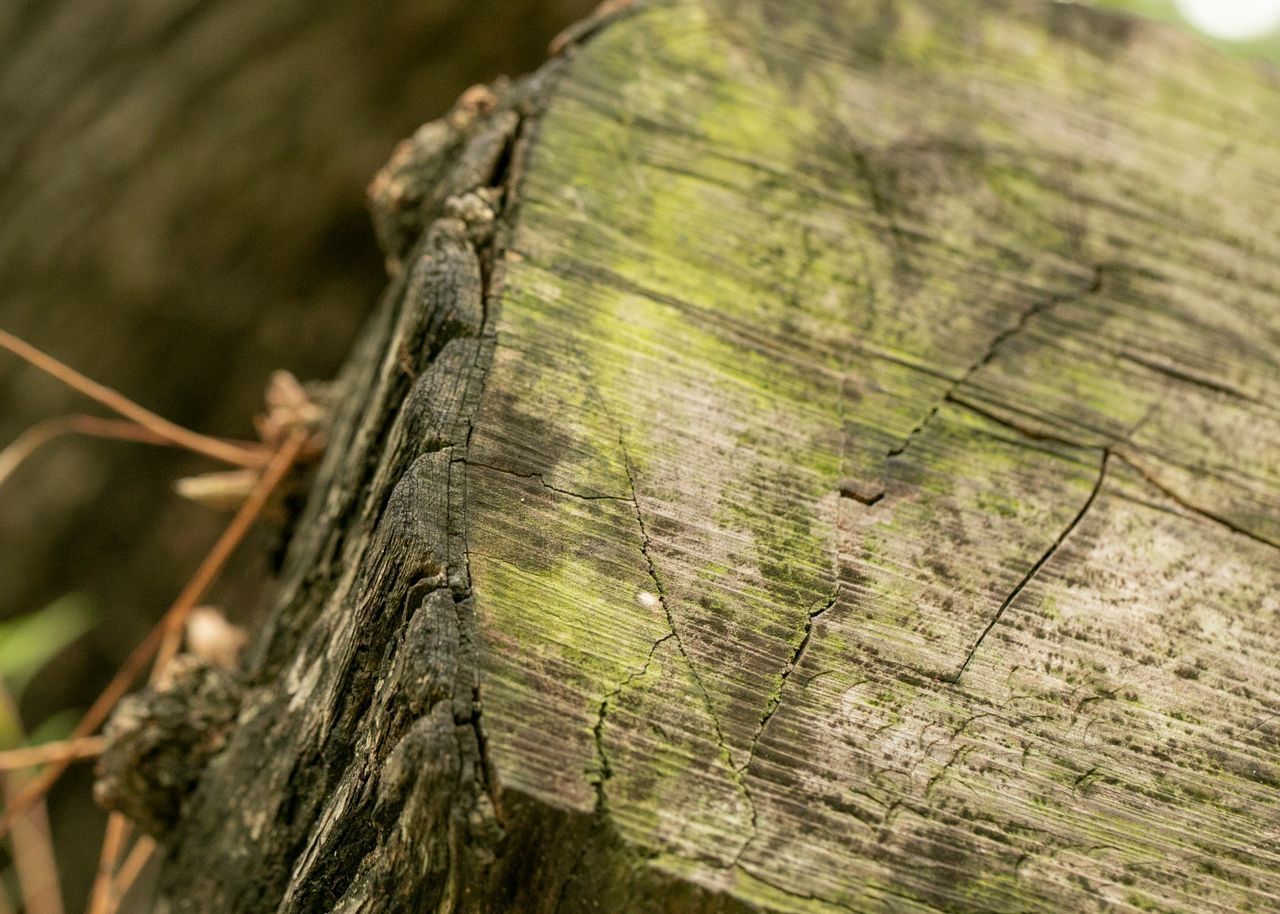
These types of problems often show up without warning. A tree that looked solid before the storm might now have a deep split running along a limb or trunk. If that break connects to a large branch, it may need support or trimming. The sooner it's caught, the easier it is to deal with. Ignoring signs like these can lead to more noticeable and costly breaks down the road.
Branches Can Hang Lower or Lean After a Series of Storms
After several rainy days, trees often start to droop. It might be easy to miss at first, but over time, sagging limbs become harder not to notice.
- Water adds weight, and that effect builds with each passing storm
- Branches over walkways, cars, or outdoor play areas can become hazards
- Leaning limbs pull smaller branches with them, creating cluttered and risky shapes
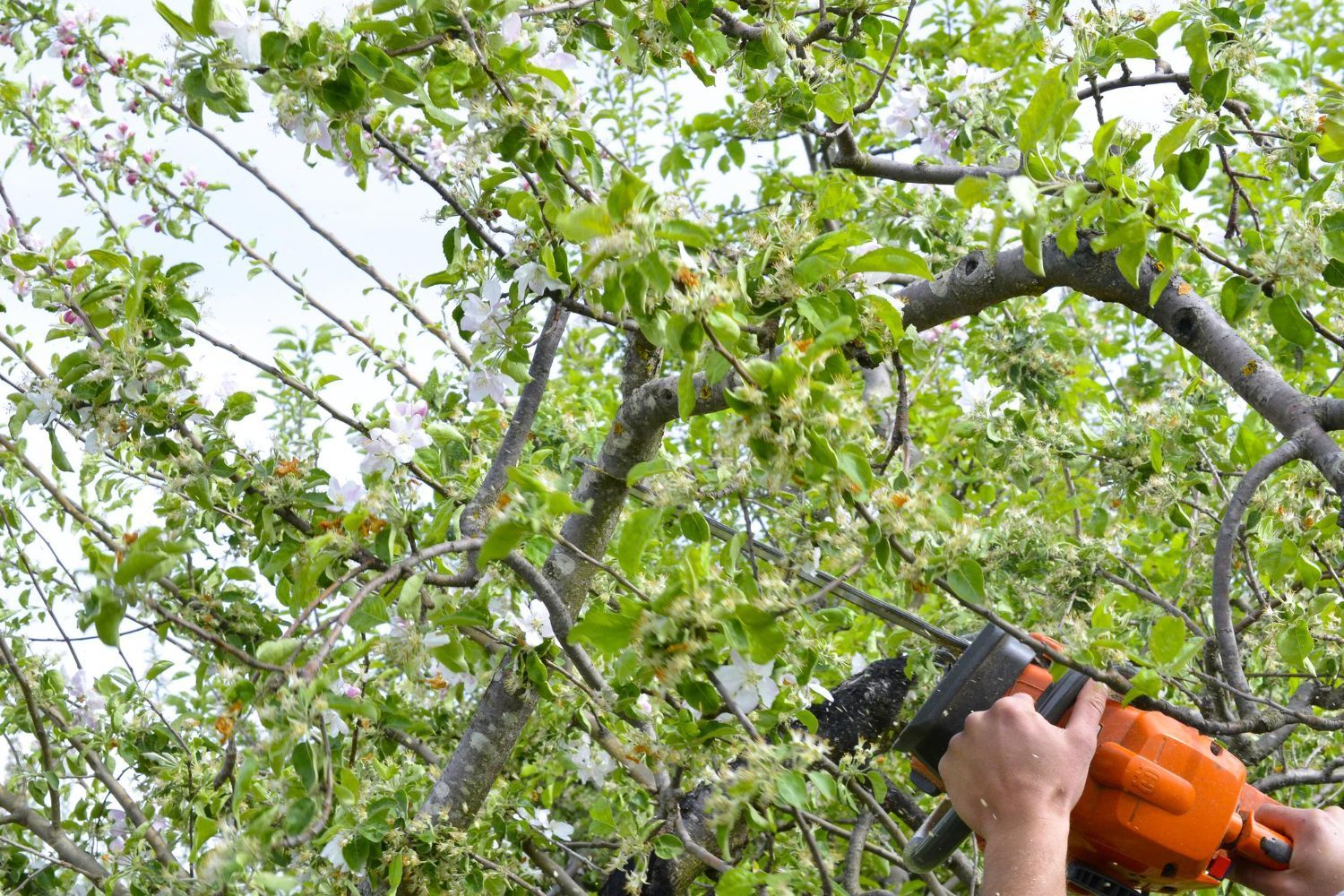
Consistent trimming helps lighten this load. When branches start pulling away from their normal shape, they're often telling us they're carrying more than they should. Even healthy limbs can wilt a little under pressure, but checking regularly and removing dense or crossing growth keeps them strong and better balanced in wet weather.
Tree Experts, LLC provides full tree assessments, storm cleanup, and pruning services for customers across Los Lunas, New Mexico, and Valencia County. All work includes free health checks and inspection of high-risk branches and weak points after heavy rains or windstorms.
Wet Branches May Touch Power Lines or Block Views
Another sign of trouble comes when wet plants bend into areas they usually stay clear of. Trees near homes, driveways, or roads start to act differently after soaking rain.
- Limbs may shift and brush power lines, especially if they were already growing close
- Trees by the street can start to block important views of signs, corners, or turnouts
- Leaning branches might surprise you by showing up in places they weren't just days earlier
Some trees don't need much space to cause trouble. One limb leaning over the roof or pressing against the fence can lead to more serious problems during storm season. Since rainstorms often come with wind, the chance of movement is even higher when things are already wet and heavy. That's why regular checks and cleanup are a good idea in the weeks leading up to fall's rainiest months.
Stronger Trees Mean Fewer Surprises
Rain has a way of showing you the truth about your yard. Trees that once looked just fine start to sag, shed, or snap. Branches shift into places they don't belong. These are signs that something under the surface needs attention.
We've found that one of the best things to do before fall rain hits full force is to look for changes in your trees. A low-hanging branch after a storm. A new split around a knot. A lean that wasn't there last week. None of these have to turn into disasters, but they're all signals to not wait. With pruning and thoughtful tree trimming, trees won't just survive these rainy weeks. They'll stand stronger and cause fewer problems, letting you enjoy the cooler season with less cleanup and more peace of mind.
Don't let your trees become a hazard this storm season. With consistent care and attention, you can stay ahead of issues before they escalate. Tree Experts, LLC offers professional tree trimming services to ensure your trees remain strong and resilient. Reach out to us today to schedule an inspection and keep your landscape in top shape.

Share On: