
How to Tell When Tree Branches Are Too Close to Utility Lines
Protect Your Property Before Branches Reach Utility Lines
Tree branches near overhead wires deserve attention before they become a storm-time problem. A limb does not have to touch a power, cable, telephone, or service line to create a concern. Wind, rain, and new growth can make a branch swing, sag, or break into a line with little warning.
Here in Los Lunas and Valencia County, late-summer monsoon weather can turn an overgrown limb into an urgent hazard. We want you to know what warning signs to watch for from the ground, when a utility provider needs to be involved, and when professional tree care can safely address the tree itself.
Spot Warning Signs Around Overhead Lines
Start by looking at the tree and the lines from several safe spots on your property. Branches that cross a line, rest on a line, hang directly above it, or grow toward it all deserve attention. Even a limb that seems steady on a calm day can move a surprising amount in strong gusts.
We also look closely at the condition of the tree. Weak limbs are more likely to drop, bend, or pull toward nearby lines when weather changes. Keep an eye out for:
- Dead, cracked, split, or broken branches
- Limbs with visible decay or disease
- Heavy branches leaning toward overhead wires
- Fast-growing shoots reaching into a utility corridor
- Thick canopies near roofs, driveways, walkways, or parking areas
Do not focus only on the main electric line. Cable, telephone, internet, and service-drop lines can also be damaged by rubbing branches or falling limbs. For property managers, we recommend checking common areas, building entrances, parking lots, and access roads where overhead lines may pass through mature trees.
Assess Clearance Safely From the Ground
The safest way to assess a branch near a line is from a distance. We never recommend climbing the tree, standing on a ladder, or lifting a pole saw near overhead wires. A line can be dangerous even if it is not visibly touching a branch, especially when wood is wet or tools and ladders are nearby.
From the ground, look for branches entering the same space as a utility line or swaying toward it during wind. Photos can help document what you see for the utility provider or for our crew during a tree evaluation. If possible, take pictures from different safe angles without moving underneath the branch.
Clearance rules can vary based on the type of line, the utility provider, voltage, and local conditions. Rather than guessing whether a branch is far enough away, we recommend treating close growth as a reason for a professional review. Electric-line concerns should go to the electric utility, while tree trimming services can address limbs outside the utility’s restricted work area.
Match the Response to the Utility Line
Electric lines require the highest level of caution. If a branch is touching a power line, pulling on it, causing visible sparking, or has brought down a wire, keep everyone away. Do not try to move the limb, touch the wire, spray water near it, or approach through wet grass or standing water.
A fallen wire can energize nearby objects, including fences, vehicles, metal gates, and the ground around the area. When there is an immediate threat to people or property, the utility provider or emergency services should handle the electrical danger first.
Cable and telephone lines may not present the same electrical risk as power lines, but they still need careful handling. Cutting, pulling, or yanking on branches around those lines can damage service connections and create a more difficult repair. We recommend involving the appropriate provider when a line is sagging, strained, disconnected, or tangled in a branch.
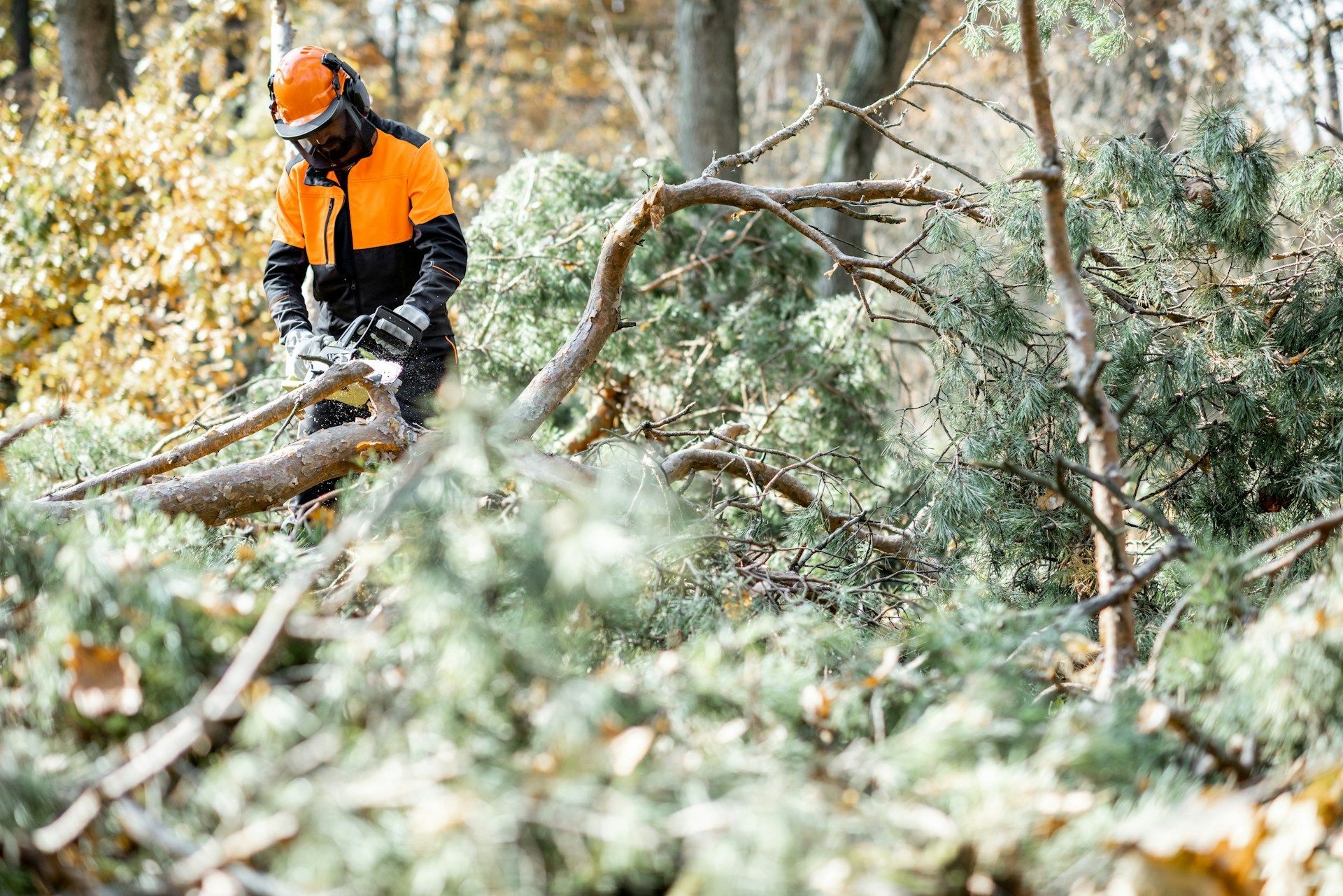
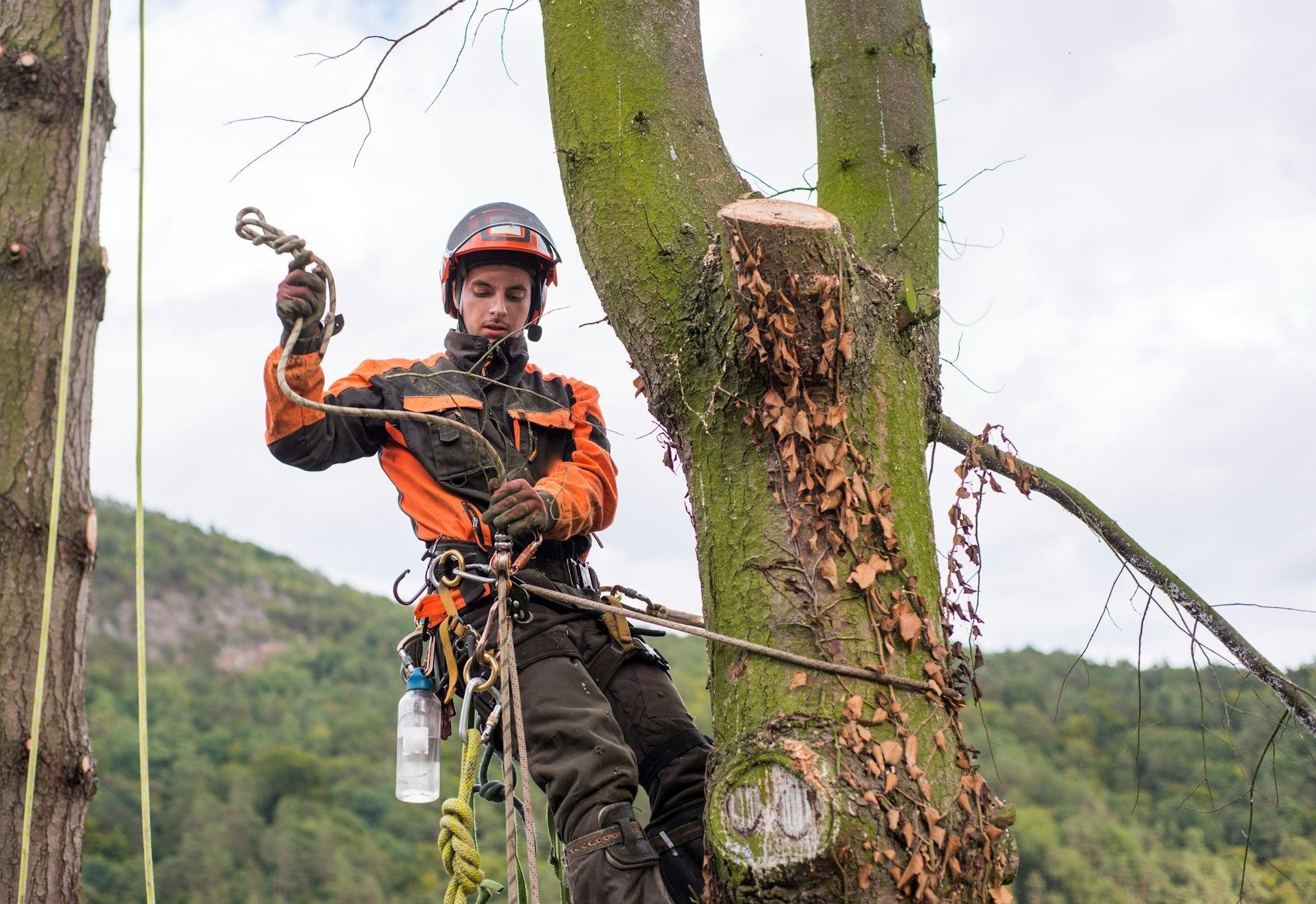
Once utility responsibilities are clear, we can assess the tree’s health and structure. Our work may include pruning hazard limbs, reducing overextended growth, or removing a damaged tree when it can no longer be managed safely away from overhead infrastructure.
Prepare for Monsoon Winds and Sudden Failures
August storms in Valencia County can bring gusty winds, heavy rain, and saturated soil. A tree that looks manageable during dry, calm weather may shift quickly when its roots are in wet ground or a heavy limb catches the wind.
We encourage property owners to have mature trees, drought-stressed trees, and previously damaged trees reviewed before they fail. Pay extra attention to trees near utility corridors, roofs, outdoor gathering spaces, parking areas, and driveways. A small concern in these places can block access or create a larger safety issue during a storm.
If a tree or limb falls onto a line, your response should stay simple and cautious:
- Keep people, pets, and vehicles far from the area
- Avoid touching fences, gates, puddles, or objects near the line
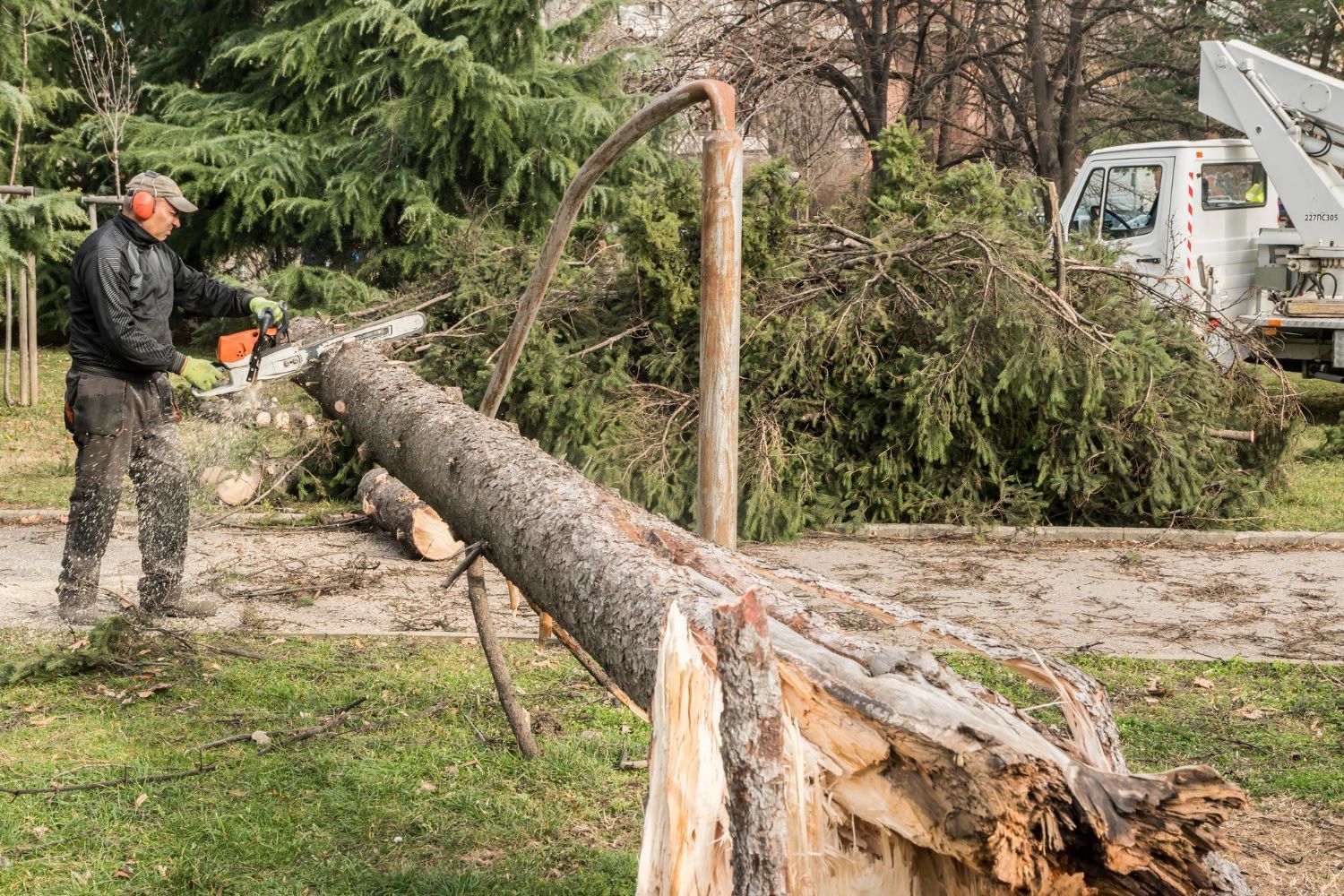
- Do not attempt to cut, drag, or move the fallen tree
- Alert the utility provider or emergency services if danger is immediate
- Wait for utility guidance before tree cleanup begins
After the area has been made safe, we can provide 24-hour emergency tree services for storm-damaged trimming, removal, and cleanup support.
Create a Safer Line Clearance Plan
Overgrown branches are easier to address before they touch a line, damage service, or fall during severe weather. We encourage homeowners, landlords, HOAs, and commercial property managers to treat close tree growth as a property safety concern, not just a cosmetic issue.
As a family-owned, owner-operated company serving Los Lunas and Valencia County, we provide trimming, pruning, removal, stump grinding, commercial tree care, and emergency response. A thoughtful plan can help us reduce tree hazards while respecting the utility provider’s role around energized lines.
Protect Your Property With Professional Tree Care
At Tree Experts, LLC, we provide reliable
tree trimming services tailored to your property’s needs. Our team can assess your trees, recommend practical care, and help maintain a safer, healthier landscape. To discuss your project or request service,
contact us today.

Share On: