
Tree Roots and Driveway Cracks: What You Should Know
Cracks in a driveway can sneak up on you. They start off small then grow over time, sometimes returning even after a fresh patch job. It's easy to think bad weather or just old concrete is to blame. But there's often more happening underground. Tree roots, stretching out in search of moisture and room to grow, can cause long-term damage right beneath the surface.
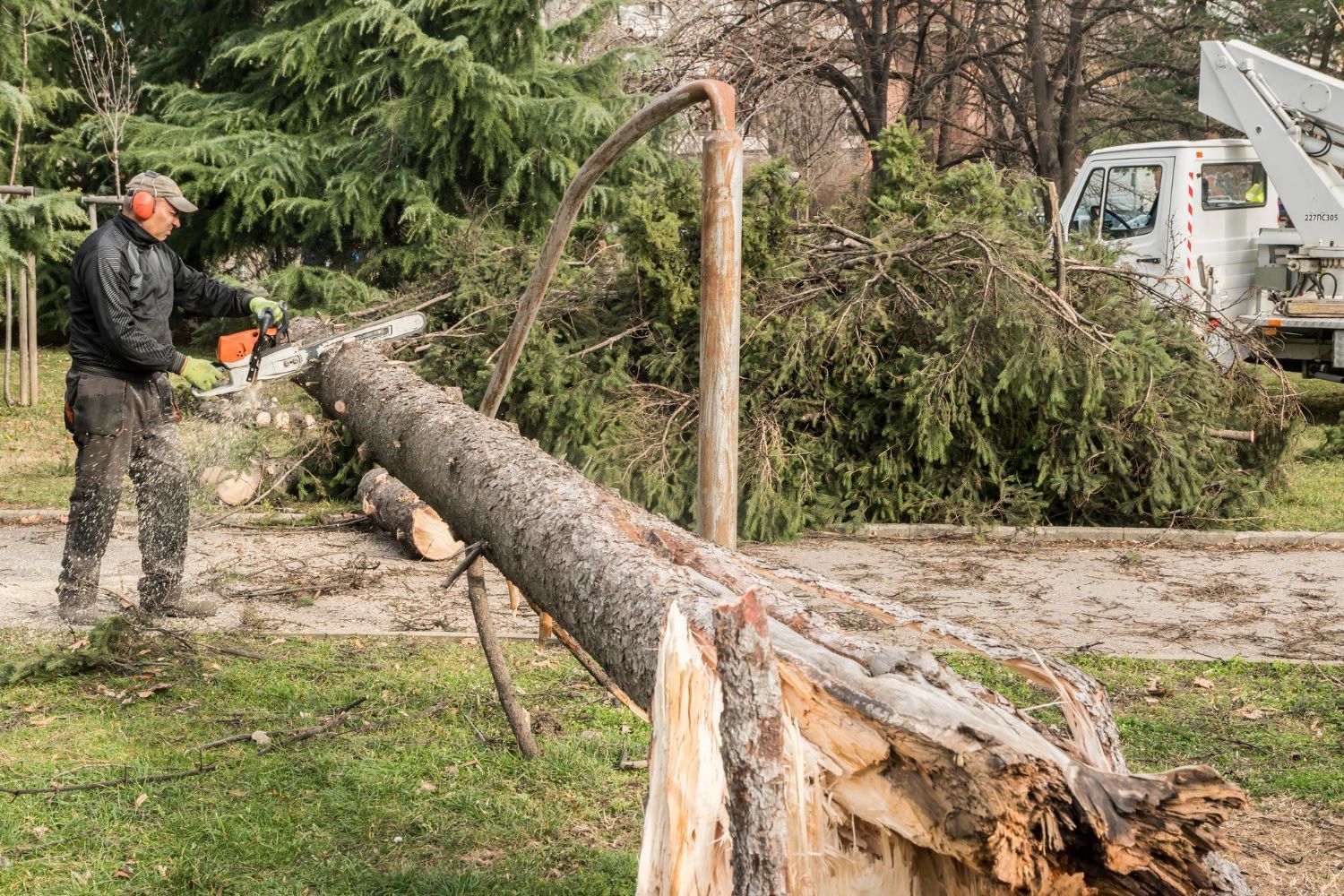
Trees provide shade and bring a nice look to front yards, but when the roots stretch too far beneath sidewalks or driveways, they often meet concrete head-on. Once that happens, it doesn't take long for cracks to show up or slabs to lift. While patching the cracks helps for a while, it won't stop the problem if roots keep pushing. In some cases, tree removal ends up being the most practical way to avoid bigger issues down the road.
Why Tree Roots Look for Your Driveway
Tree roots grow with one goal in mind: they want water, air, and space. In places where the dirt is compacted or dry, they look in every direction for somewhere easier to spread out. Unfortunately, that often means they head toward driveways or sidewalks.
- Roots usually grow wide, not deep, especially near the surface where water collects
- Concrete slabs trap moisture underneath, making them a straight target for growing roots
- Hard soil in dry climates like New Mexico can push roots closer to the surface where they're more likely to run into man-made materials
Certain trees naturally spread faster or grow larger root systems than others. In our area, cottonwoods, globe willows, and mulberries are all known for strong, fast-growing roots. When planted close to paved areas, they're more likely to cause cracking or even lifting of the concrete. These trees don't set out to damage anything, but the way their roots grow often brings them right into conflict with hard surfaces.
How to Spot the Signs of Root Damage Early
Most people notice a damaged driveway by the crack itself. But knowing it's from roots takes a bit more looking. The damage from tree roots usually follows a pattern, and it may come back even after smaller repairs.
- Cracks reappear in the same spot, or stretch out from one side to the other
- One part of the driveway rises higher than the rest
- Sections tilt or shift in uneven ways, creating tripping hazards or drainage issues
- Trees stand close to the cracked area, especially with a thick trunk or wide canopy
If the tree is large and grows close to the damaged area, it's often safe to guess that the roots are what's going on underneath. Roots can stretch two to three times wider than the canopy above them, so even trees not right next to the concrete can cause problems. A lifted section that keeps getting worse or refuses to stay level may point to a root system that's still growing and expanding beneath the surface.
Why Surface Fixes Often Don't Last
Filling in a crack or laying a new patch might seem like a quick fix. But when tree roots are the real cause, surface work often doesn't get to the heart of the issue. If roots keep growing or shifting, they'll keep pushing. And that means more cracks, more lifting, and more repairs later.
- Patching over root issues leaves the problem still growing underground
- Repeated repairs on the same spot can get frustrating and may lead to bigger cracks
- Trying to cut roots without a plan can damage both the tree and the surrounding property
When surface fixes don't hold, it's usually time to step back and look at the whole picture. If trimming roots isn't enough or if the tree keeps causing trouble year after year, tree removal becomes a more straightforward solution. It's not always the first step, but in areas where roots have nowhere else to go, it may be the one option that keeps your walkways and driveways safe over time.
What Professionals Look At Before Taking Action
Before making changes to a tree or its roots, it helps to understand the full layout of what's below and around it. That's why we take time to look at the whole area before making a move. Some signs are easy to spot, while others need more digging, carefully, of course.
- We check how close the tree is to the cracked areas, and how wide the trunk has grown
- We look at the shape of the canopy since it often matches the spread of the roots
- We inspect how fast the damage has spread across the concrete or if it's stayed the same for a while
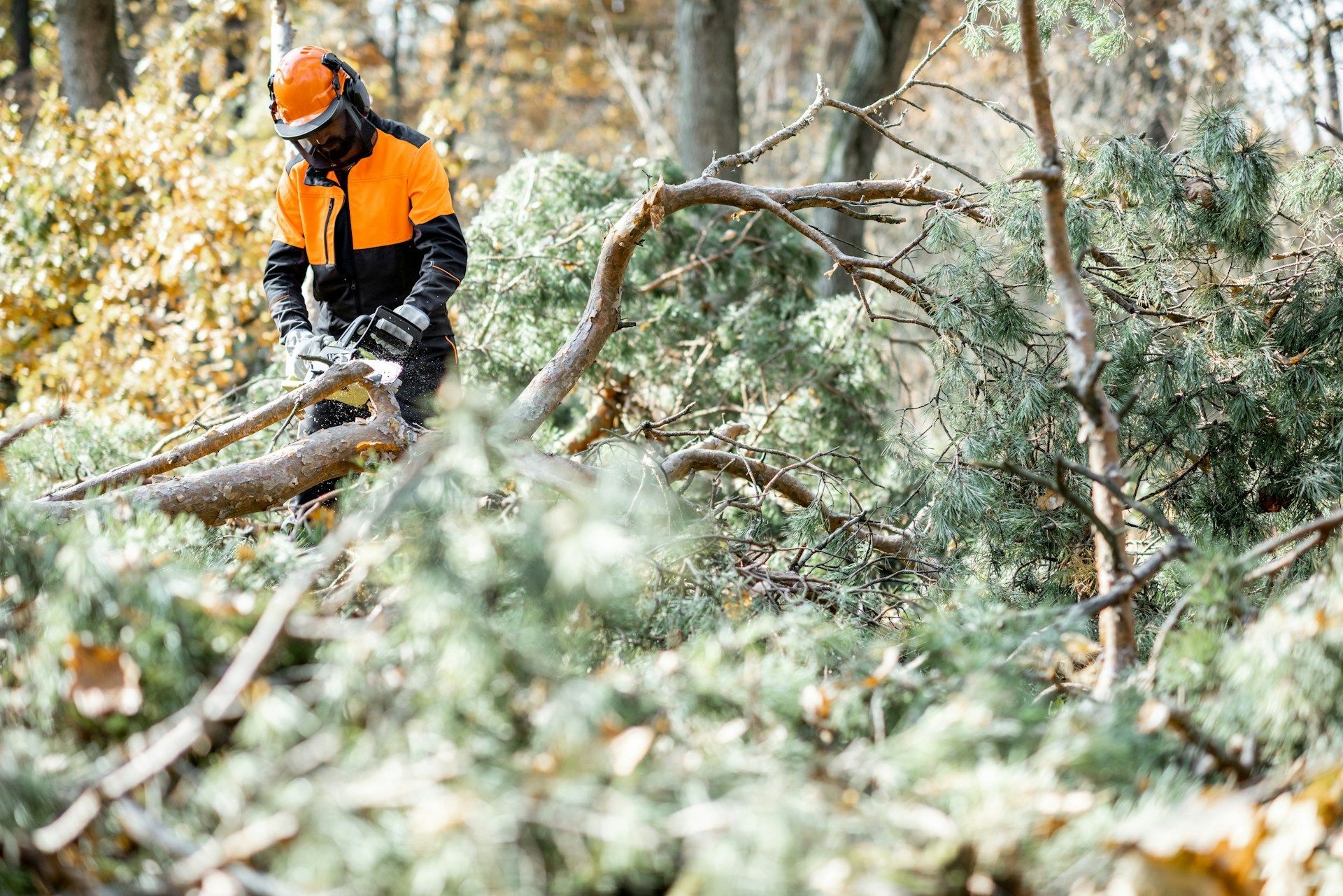
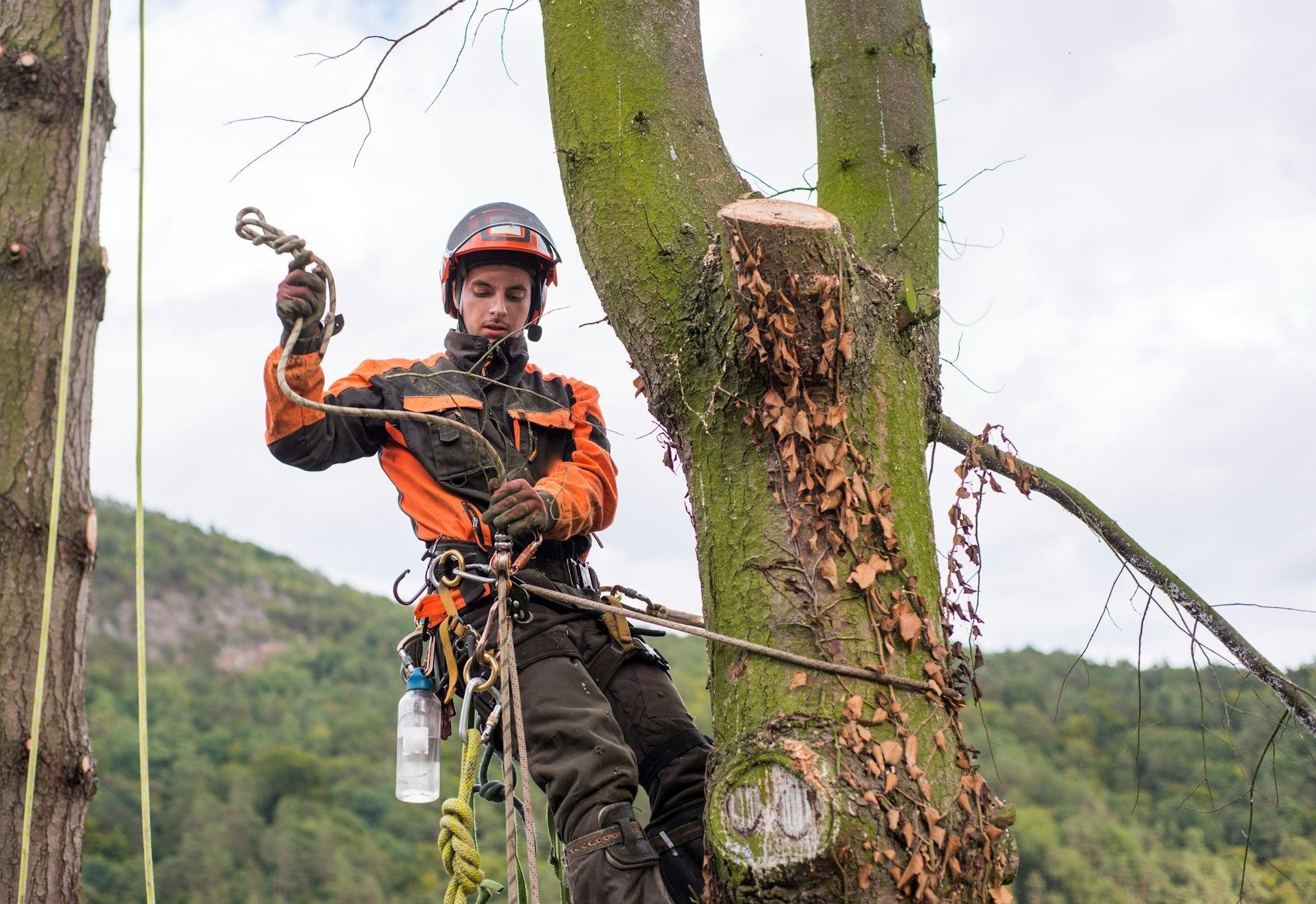
Not every tree near a driveway needs to be removed. In many cases, smart trimming or installing a root barrier can solve the problem. But when a large tree keeps damaging concrete, and safer options aren't working, full tree removal may be the best choice. Doing it the right way means thinking about nearby fences, sheds, or other trees. It's never just about cutting, it takes groundwork and planning to keep everything around it safe.
Tree Experts, LLC offers tree risk assessment, root mapping, and experienced removals for driveways and walkways in Los Lunas, New Mexico, and across Valencia County. We provide free estimates and on-site evaluations to help you understand exactly what's below and how best to keep your property protected.
Smarter Choices for Safer Driveways
Over time, trees and driveways don't always get along. Their roots grow slow but strong, and if they decide to move under a hard surface, the damage often shows up aboveground before you even know what caused it. Catching the signs early helps stop a small problem from growing into a larger one.
We tell people to walk their yard now and then, especially around fall, before winter rains or freezes make outdoor fixes harder to manage. If you've patched spots that just keep cracking again, or you've got raised concrete near a large tree, it may be time to look a little closer. Knowing when to step in, and when to call someone who can help, can be the difference between a patch job and a permanent fix.
When driveway cracks return no matter how often they're patched, it might be time for a more permanent solution. At Tree Experts, LLC, we understand the challenges that tree roots pose to your property, and our expertise in tree removal can provide the lasting fix you need. We take the guesswork out of protecting your driveways and walkways, helping you maintain a secure and attractive landscape. Reach out today to learn how our services can safeguard your home.

Share On: