
Storm-Proofing Your Commercial Trees Before Winter
When fall rolls in and temperatures start to drop, it’s easy to focus on heating systems and holiday plans. But for owners of commercial properties with trees, it’s a good time to look outdoors and think ahead. Trees around a business aren’t just for looks. They provide shade, structure, and even curb appeal. Once winter storms hit, though, heavy snow, strong winds, and freezing rain can turn those same trees into major hazards if they’re not ready.
Storm-proofing commercial trees before winter can help prevent property damage, avoid safety risks, and cut back on emergency cleanup costs. It’s more than just trimming a few branches and hoping for the best. True preparation means checking tree health, reinforcing weak spots, and protecting roots from temperature swings. Taking care of these ahead of time gives your trees a better shot at standing strong through the season.
Assessing Tree Health
Before any real prep work begins, it’s important to know what kind of shape your trees are in. Walking the property and giving each tree a good once-over now can save time, money, and stress when bad weather rolls in.
Keep an eye out for signs like:
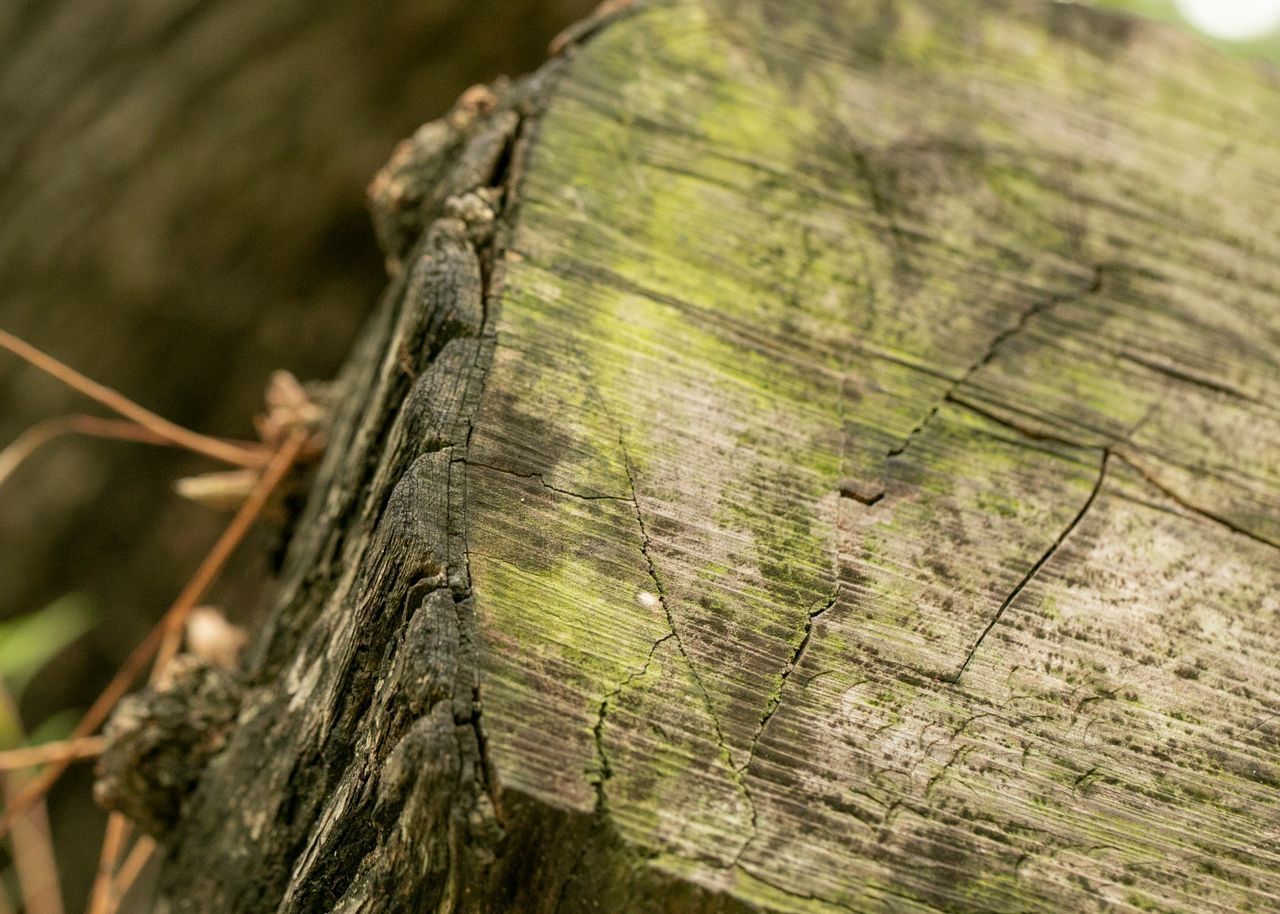
- Cracks in the trunk
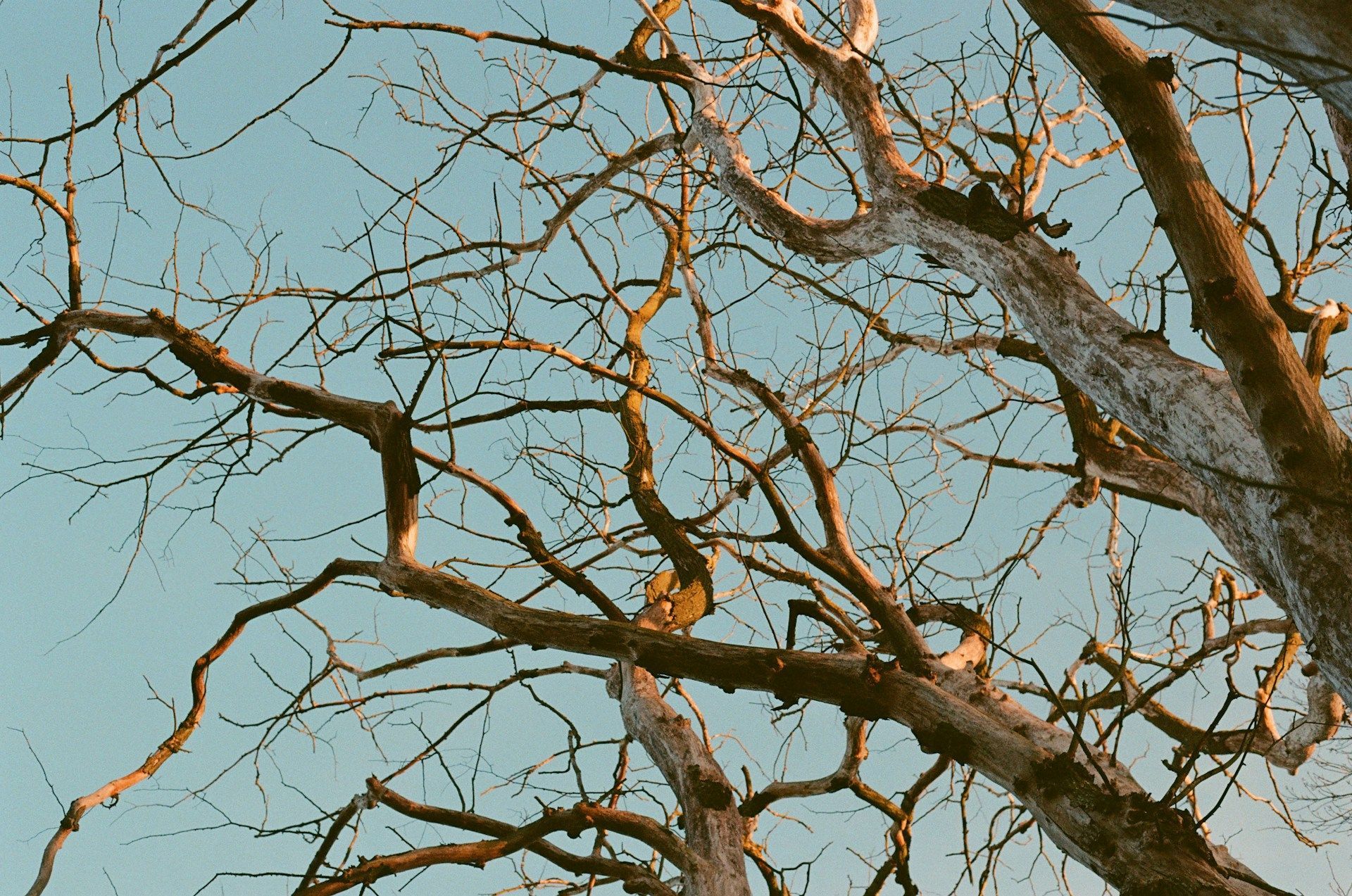
- Dead or weak limbs
- Mushrooms growing near the base
- Peeling or missing bark
- Leaning or oddly tilted trees
These are all red flags that there could be damage lurking beneath the surface. Sometimes the effects of previous storms aren’t obvious until new stress pushes things over the edge. Trees that barely held on over the summer might quickly lose limbs after a cold snap.
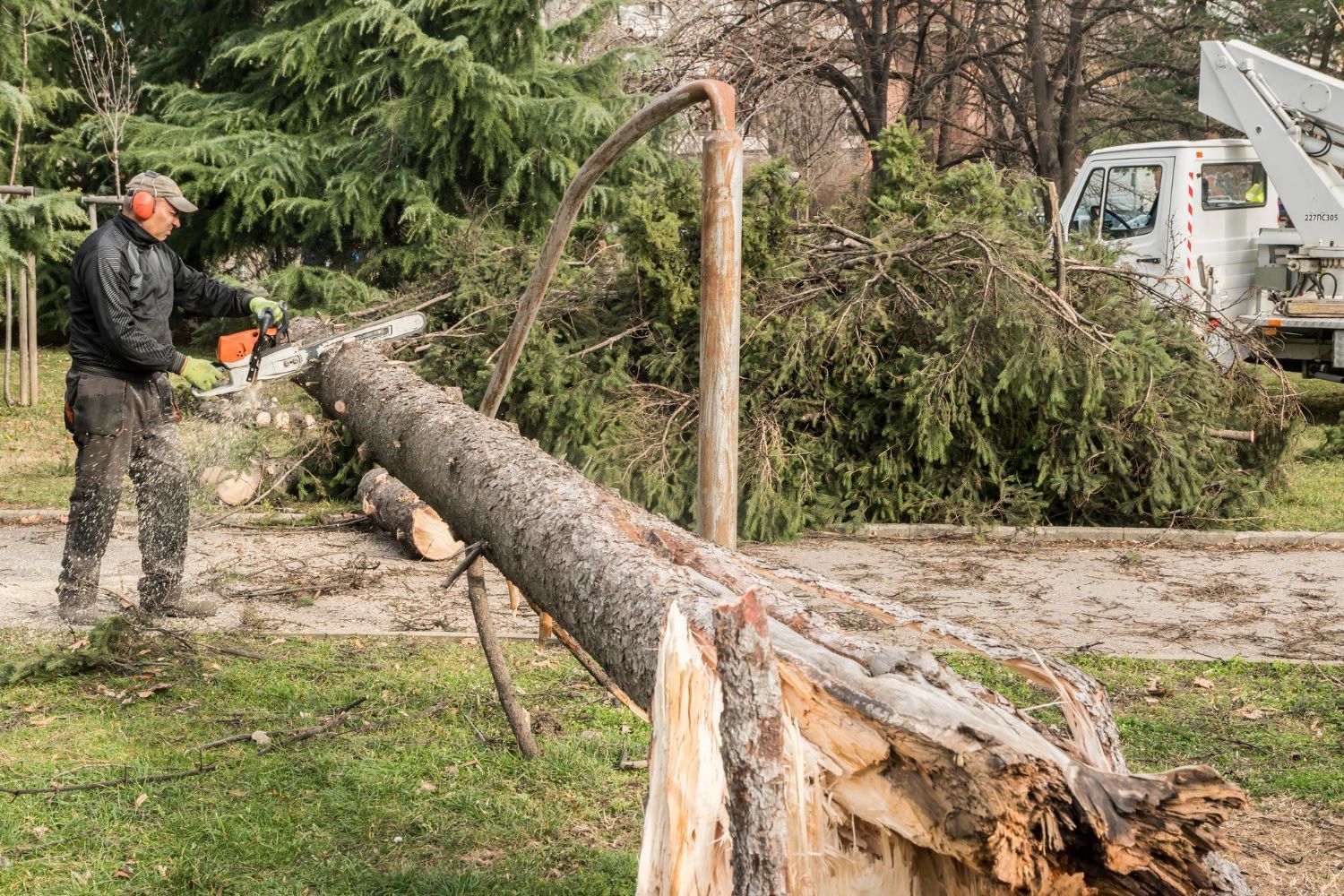
If there’s a dead tree near a walkway or parking area, it needs attention right away. Each day deeper into winter increases the risk of falling limbs or worse. This could mean serious property damage or risk to anyone nearby.
On large properties, it can be hard to spot broken branches higher up, especially with trees that keep foliage late into the season. That’s where a professional inspection can help. An experienced eye can catch early warning signs that might otherwise go unnoticed. Handling problems now is always better than waiting until snow covers everything up.
Pruning And Trimming For Winter Strength
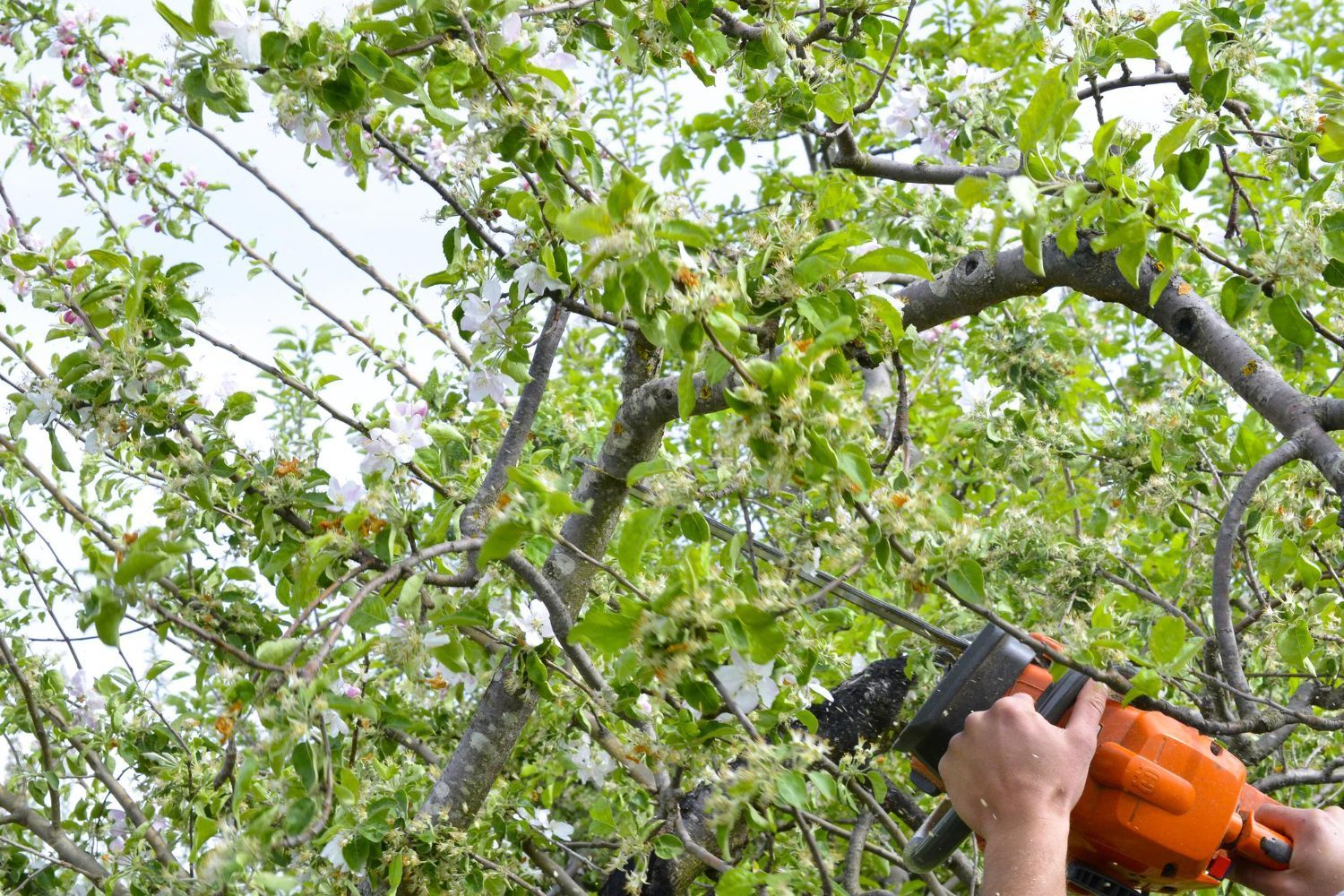
Heavy limbs loaded with snow or hit by a strong gust can snap without warning. When they do, they can bring down signs, fencing, lights, or worse. That’s why pruning and trimming your trees before winter hits should be a priority.
Unlike cosmetic trimming done in spring, winter-focused pruning helps trees stand up better to tough conditions. A good job will:
1. Remove any dead, weak, or broken limbs
2. Thin out clumped growth to let wind through
3. Eliminate branches growing toward structures, vehicles, or power lines
4. Shape the tree for better balance and even weight distribution
This not only lowers the chance of breakage but also helps trees adjust to snow and wind stress. One business we worked with trimmed trees surrounding their parking lot ahead of a rough winter. By clearing up overgrowth and taking out risky low limbs, they saw fewer cleanup needs and no serious breakage, even after a couple of nasty storms.
Taking time each fall to trim builds a healthier, more reliable tree structure. The earlier it’s done, the more confident you can be when winter weather sets in.
Root Protection And Mulching
Most tree prep focuses on what you can see, but underground issues can be just as serious. Roots exposed to freezing and thawing cycles can dry out, crack, or even die off. When that happens, the tree’s health takes a major hit—and recovery takes a while.
To avoid this, start with a good layer of mulch. Spread 3 inches of organic mulch, such as wood chips or bark, in a donut shape around each tree. Be sure to leave a few inches of space around the trunk to prevent rot. This layer helps trap warmth, steady moisture levels, and shield roots from frost.
Other effective steps include:
- Keeping foot and vehicle traffic away from the base of trees
- Clearing away snowbanks or debris from root areas
- Checking for any roots poking out of the ground and covering them with soil or mulch
Mulching takes little effort but delivers big results. It gives the tree’s lower system a fighting chance against freezing nights and steady snow cover. Plus, it keeps the soil in better shape for when spring rolls around.
Bracing And Cabling Weak Limbs
Sometimes trees need help holding themselves together. Large limbs that look strong may be poorly attached or have stress fractures. Trees with two or more trunks that start low to the ground are prone to splitting. Once winter hits, wind and snow only heighten the risk.
Bracing and cabling are useful methods that help strengthen these weak points. Cables are placed high in the canopy, joining heavy limbs together to reduce movement during storms. Braces reinforce the lower structure, keeping trunks or main branches from pulling apart under stress.
Situations where bracing or cabling might be needed include:
- Trees with multiple trunks
- Limbs with narrow V-shaped joins
- Trees that have lost limbs in past storms
- Signs of cracking where large branches meet
This is a job best left to professionals who know how to anchor the supports without harming the tree. When done properly, these setups last for years and can keep older or unique trees firmly in place all winter long.
Managing Drainage To Keep Roots Healthy
Poor drainage causes water to pool around a tree’s roots. When this happens in fall and early winter, trees are already stressed and the added moisture leaves them more vulnerable to rot. Then, once temperatures fall, frozen water in the soil can add even more damage.
Good drainage gives roots the air and space they need to stay healthier, even when covered in snow. Property owners should take time to spot where water collects and find ways to move it away from roots.
Watch for these signs:
- Water pooling after a rainstorm
- Downspouts or gutters emptying near trees
- Hardscaping stopping runoff around trees
- Dense or compacted ground that struggles to drain
Adjusting gutter paths, loosening dense soil with aeration, or slightly grading low areas can go a long way. If your trees are planted in tight beds or close to pavement, adding drains or improving spacing can help get extra moisture out before winter does damage.
Getting Ready For Winter Storms
Some storm systems bring days of drizzle. Others blow in full-force. It’s smart for property managers to have a checklist ready before the serious stuff hits.
Steps to take ahead of a winter storm include:
- Walking through the property to spot weak or loose limbs
- Removing anything leaning against trees, like tools or signs
- Keeping vehicles and equipment away from high-risk trees
- Tying down or storing any loose outdoor decorations or items
- Inspecting bracing or cabling placed earlier in the season
After the storm, go back through with a fresh set of eyes. Look for tree limbs that were bent or stressed but didn’t fall. These weak points could fail in the next storm.
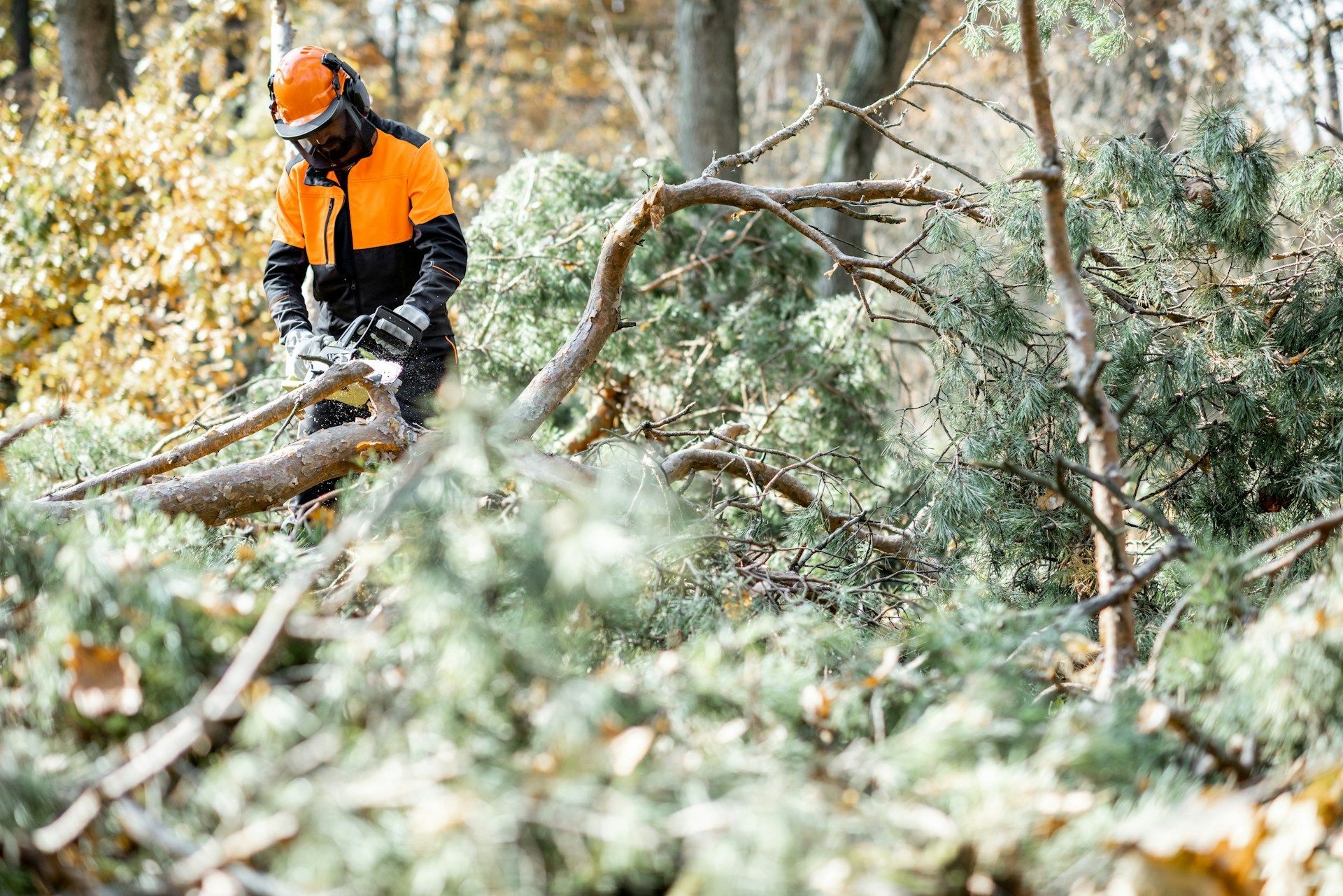
Acting quickly in the aftermath can help you avoid injury or property loss. Getting an expert on site to review any concerns can stop a small crack from turning into a major collapse.
Why Expert Help Makes Winter Easier
Every winter pushes trees harder than we expect. For busy property owners or managers, it’s hard to stay ahead of everything—especially when tree issues aren't always obvious until it’s too late.
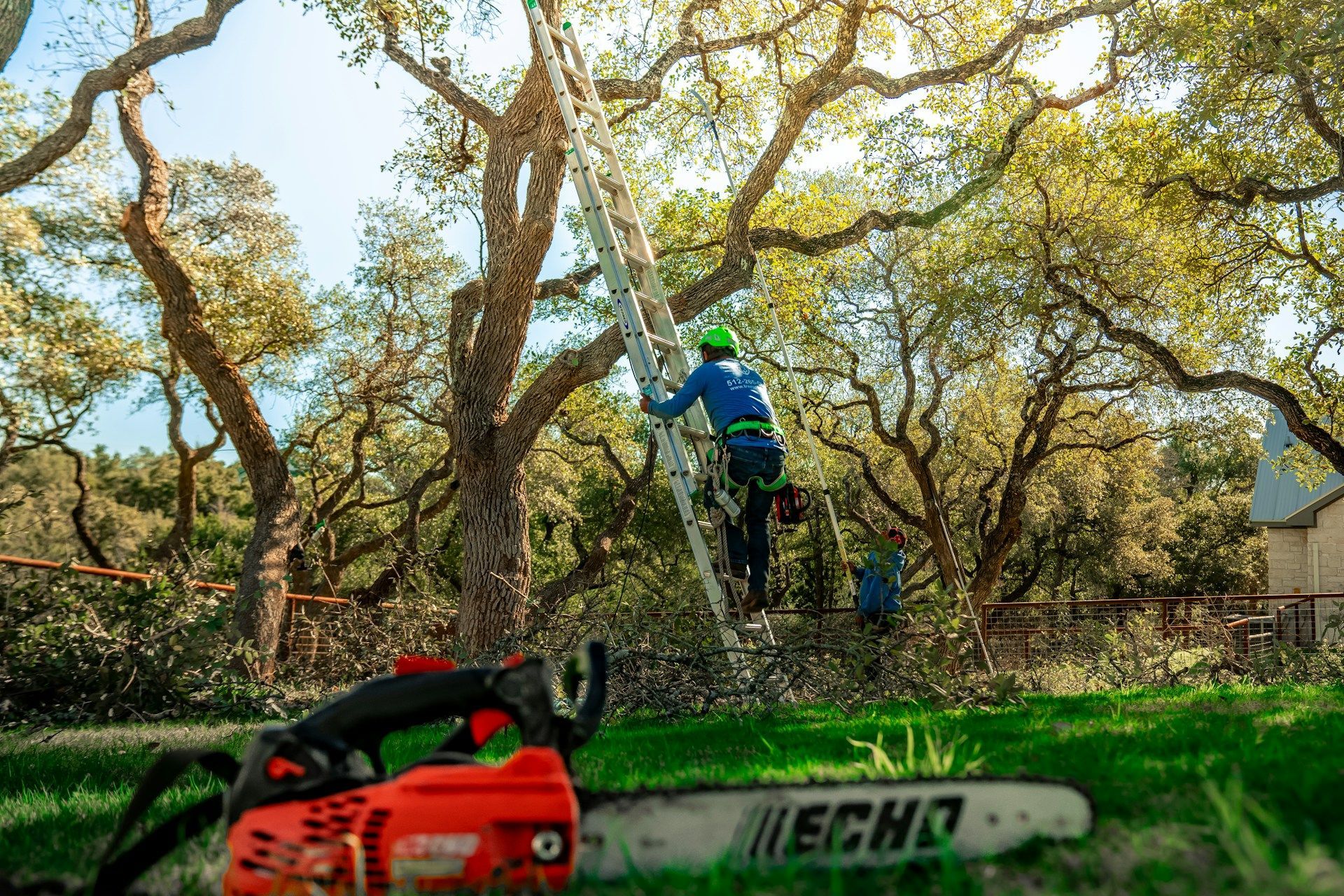
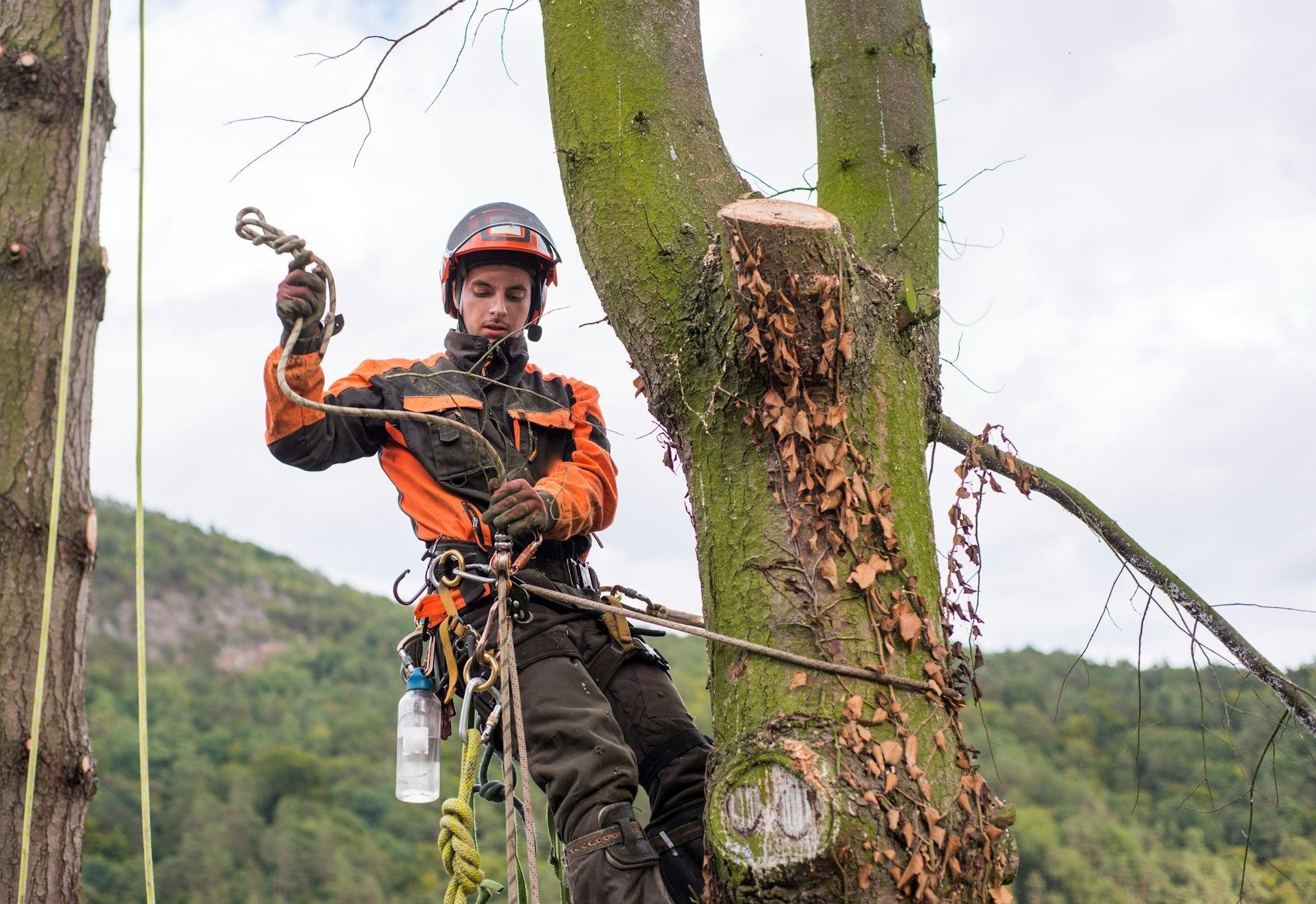
An experienced tree care crew brings more than just equipment. They can identify disease, hidden weakness, and risk before the cold air closes in. From pruning with balance in mind to setting up bracing, they help strengthen trees in ways that last.
By working with a team that knows commercial tree care, each step gets handled the right way, safely and efficiently. It’s peace of mind during a tough season, and it means you’ll be more prepared when spring thaws out the landscape.
Trees that are cared for now face fewer problems when the snow and wind start up. That leads to less damage, fewer emergencies, and better-looking properties come spring.
For a seamless winter with strong, healthy trees, trust Tree Experts, LLC to handle all your needs. Our specialized commercial tree care services help keep your business landscape safe, sturdy, and looking sharp through the colder months. Reach out today to prepare your property and give your trees the support they need this season.

Share On: