
What’s Buried Under a Stump and Why It’s a Problem
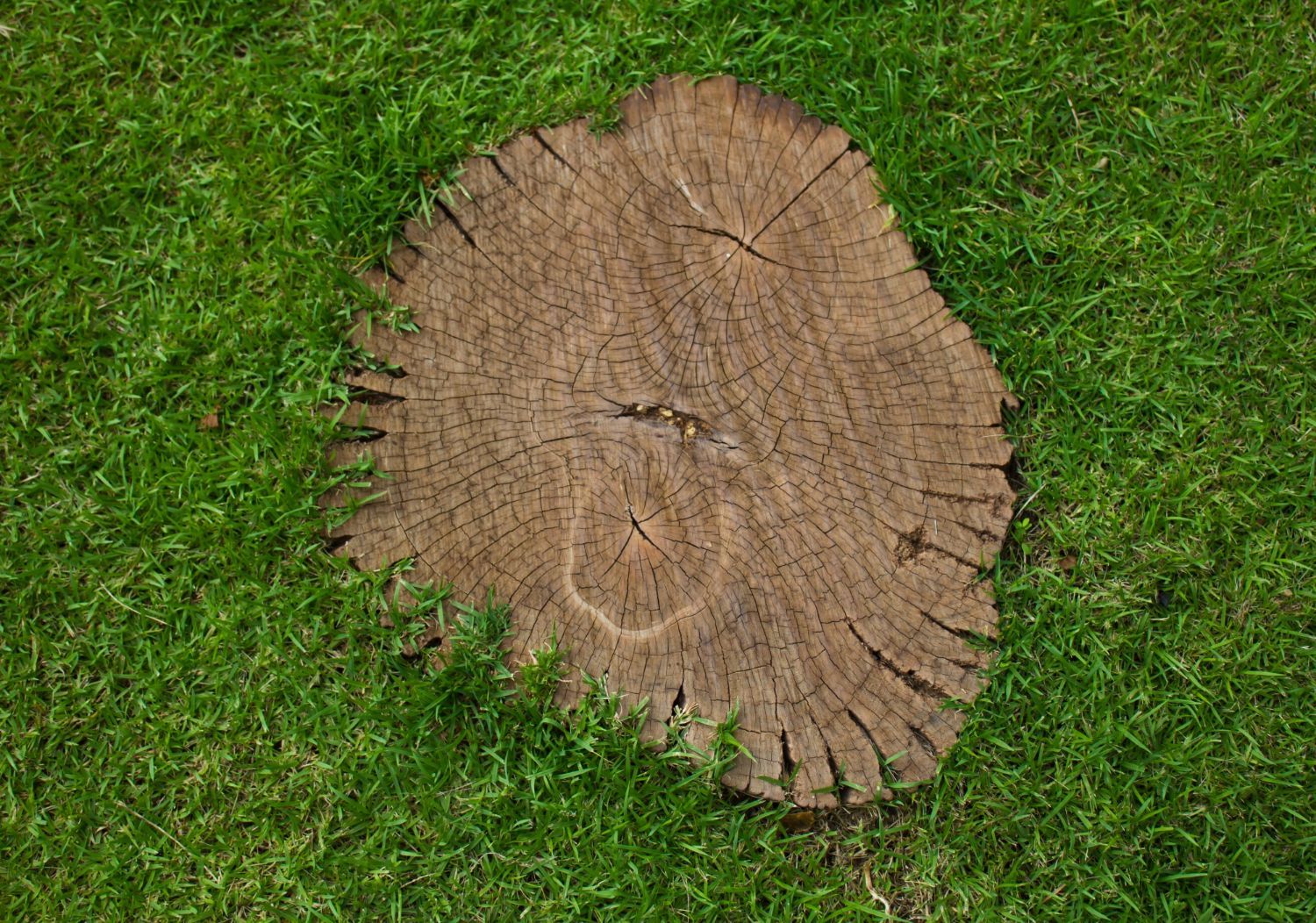
After a tree comes down, it might feel like the hard part is over. But look down again. The stump left behind can cause more trouble than expected. It may seem small compared to the full-grown tree that once towered above, but what's buried underneath can lead to real problems in your yard.
This is where stump grinding starts to make sense. It helps not just with how things look, but with what's going on beneath the surface too. If a leftover stump is bothering you now, it could cause even more issues when the cold months hit.
What Gets Left Behind After a Tree Is Cut
Most tree roots don't stop growing just because the tree is gone. That stump left in the ground might look harmless, but underneath, roots can keep stretching.
- These underground roots can keep taking up space, pushing into areas where other plants should grow
- You might notice grass thinning nearby or flower beds not doing well because tree roots are still crowding the soil
- The leftover stump can also pull in unwanted visitors like bugs and fungus that slow things down in your whole yard
Even though the trunk above is gone, the story below the ground usually keeps going unless something is done about it. Stump removal isn't just about eliminating what's easy to see. Tree roots, often spreading out much farther than expected, can keep absorbing water and nutrients for months or even years after the tree itself is removed. Sometimes, new shoots can sprout, making maintenance in the yard even tougher.
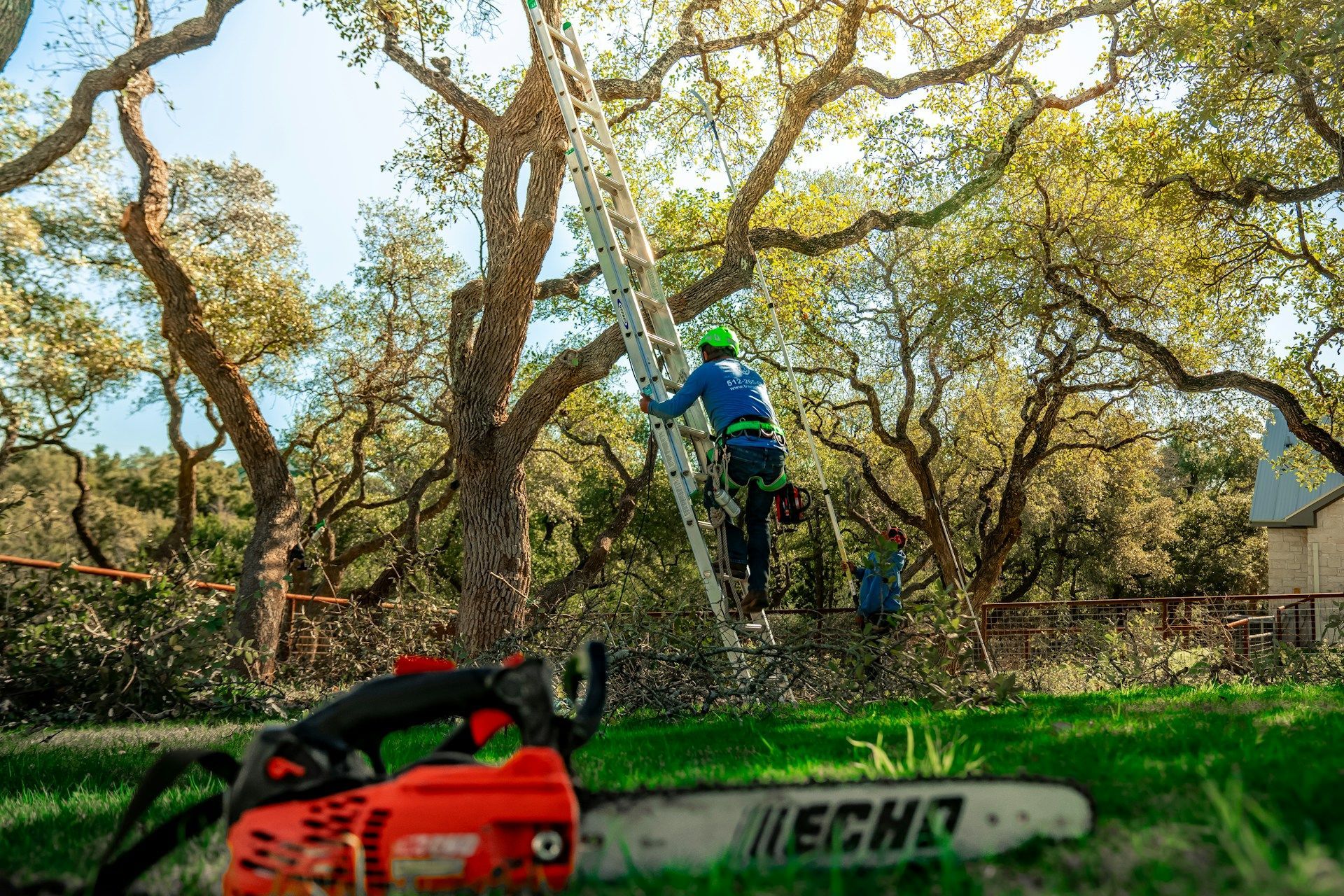
Tree Experts, LLC provides stump grinding and full tree removal services for homes and businesses across Los Lunas, New Mexico. Our stump grinding process clears lingering roots efficiently, and our crews can work in tight or challenging spaces with minimal yard disruption.
Bugs, Rot, and Yard Damage
As that tree stump sits through the seasons, it starts to break down. Slowly. And during that time, it brings in things you likely don't want in your yard.
- Ants, beetles, and termites often move into old wood, especially if it's softened by water or age
- Wet environments around roots can encourage fungus or mold that spreads to other spots
- As the wood decays, the ground around it may sink or become uneven, making it harder to walk or play safely
Decaying stumps rarely break down evenly. There are usually soft spots and pockets where moisture gathers, and these can spread to nearby roots and soil without any sign above ground. Not only do these conditions give insects and pests a steady home, but they can also spread disease to other healthy plants.
The cycle continues every time it rains or the ground freezes and softens again. When the ground is cold and wet, the risk for hidden hazards increases: holes can suddenly form, and surface roots might expose themselves, becoming tripping spots that you hardly notice until you step on them.
These changes might not happen right away, but by the time winter hits, the cold can make soft spots worse. What started as a small old stump can turn into a wide patch of yard that feels spongy, sunken, or unsafe.
Stumps Can Get in the Way
There's also the practical side of things. A stump doesn't just sit still. It interrupts everything else going on in your yard.
- Mowing the lawn gets harder when you have to steer around it every week
- You lose space for things like garden beds, play areas, or patios
- Underground roots can push up over time and damage walkways, pipes, or curbs without warning
Even stumps that seem "out of the way" have a way of showing up right where you don't want them. You might only notice them when your foot catches an edge, or your mower hits a patch of raised dirt.
Apart from daily yard work, those hard-to-see roots can start to push up walkways or patio stones months after the original removal. If you're thinking long-term, stumps and their roots can impact the value and safety of your entire property.
Sometimes buried wood compacts soil, keeping water from draining away after storms, making puddles stick around longer than they should. Over time, these hidden roots decay and shift, causing more uneven areas and making every project, from planting to playing catch, a bit more frustrating than it should be.
Our crews at Tree Experts, LLC use protective mats and safe stump grinding equipment to reduce damage to existing grass, flower beds, and paving stones during removal. We offer free estimates and quick scheduling for most yard sizes or access points.
When Stump Grinding Is the Best Move
When a stump is left alone, the issues often creep up slowly, but all at once it becomes clear something has to change. That's where stump grinding fits in.
- It clears out the top part of the stump and grinds down a layer of roots underneath
- This makes the ground more level and keeps insects from living where wood meets soil
- It protects nearby garden beds and makes more room in the yard for other uses
Grinding the stump is a less disruptive option compared to digging everything out by hand, which can be difficult if you have other plants, fences, or underground utilities nearby. The grinding process turns old wood into mulch that's easier to scoop out or leave in place to help soil health, depending on what you want for the yard. It's a process that gives you more flexibility, working around landscaping elements and leaving the area easier to maintain once the process is finished.
By grinding instead of removing the whole system, we avoid tearing up wide parts of the yard. This approach works well before cold weather locks everything in place.
Keep Your Yard Clear Before Winter
Fall is the best time to clean up leftover stumps before things freeze up. Once winter sets in, wet soil hardens, and smaller problems can turn into slippery slopes or frozen-over hazards. Stump grinding during late fall helps get ahead of issues that winter weather can hide or make worse.
As temperatures cool, soil can quickly go from muddy and loose to hard and frozen, making stump grinding more of a challenge. Waiting until spring to handle stumps can mean a few more months of hidden hazards, as roots have more time to decay, attract pests, or shift the ground. Instead, addressing stumps in fall not only makes for safer winter play but also saves extra repair work for next year.
Getting rid of a stump does more than improve appearances. It gives you back a piece of your yard and makes space useful again. What feels like a leftover can quickly become the cause of future problems if it's left too long. Handling it in the fall sets you up for an easier, safer winter.
Before winter's chill sets in, ensuring a clean and safe yard is key. Issues like pest infestations and uneven ground can arise from neglected stumps. At Tree Experts, LLC, we're here to help you take control with our expert stump grinding services. Reach out today to secure a safer, tidier outdoor space for the upcoming season.

Share On: